
Business
How Small Businesses in Fort Myers, FL Can Prepare for Third-Party Claims

Key Takeaways
- Third-party claims may come from customers, visitors, vendors, clients, landlords, or other members of the public.
- Routine inspections, employee training, and complete records can help businesses address hazards before an incident occurs.
- Clear contracts can reduce confusion about responsibility for injuries, property damage, and project-related problems.
- Websites, online forms, analytics tools, and customer portals can create privacy-related risks alongside physical-location risks.
- A documented response plan can help a business act calmly and preserve important information after an incident.
From busy storefronts along U.S. 41 to service businesses working throughout Lee County, Fort Myers companies regularly interact with customers, delivery drivers, contractors, and visitors. Those interactions create growth opportunities, but they can also create third-party claim risks when someone alleges that the business caused injury, property damage, financial harm, or another loss. For a local coverage review, liability insurance Fort Myers, FL, information from The Insurancenter of Fort Myers explains how business liability protection can address claims involving negligence, bodily injury, property damage, and legal defense costs. As a Fort Myers-based insurance agency serving Southwest Florida businesses, The Insurancenter of Fort Myers provides a useful local starting point for owners evaluating general liability and related coverage needs.
Why Third-Party Claims Matter to Small Businesses
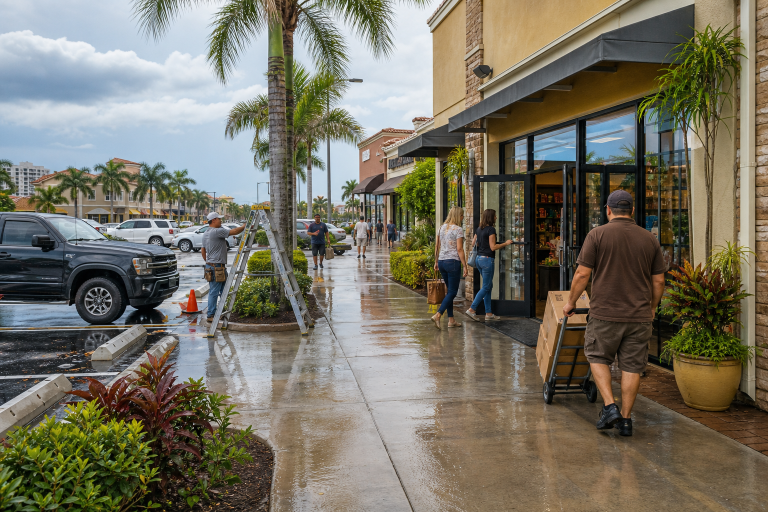
A first-party loss affects the business itself, such as damage to its own equipment. A third-party claim arises when an outside person or organization says the business is responsible for its loss. One event can lead to medical expenses, repair bills, time spent gathering records, legal defense costs, and disruption to daily operations. Consider a customer who slips near a wet entrance after an afternoon storm, or a contractor whose equipment damages a client’s flooring during a repair. The facts may be disputed, but the business still needs to respond promptly, preserve evidence, and communicate through the appropriate channels.
Common Sources of Business Liability Claims
Customer Injuries and Property Damage
Trips, falls, burns, falling merchandise, uneven walkways, and poorly lit public areas can lead to allegations of bodily injury. Businesses that perform work off-site may also face property damage claims arising from deliveries, installations, repairs, or employee errors at a client location.
Products, Services, and Advertising
A product-related allegation may involve a claim that a product caused injury or damaged property. Service businesses may face complaints about missed deadlines, incorrect work, or inaccurate professional advice. Advertising can also create disputes if a competitor or customer alleges that a statement was misleading or improperly used protected content or branding.
Digital Privacy Complaints
Liability concerns are no longer limited to a physical premises. Booking tools, contact forms, customer portals, marketing pixels, and analytics software may collect or share information about website visitors. Recent research on privacy litigation involving website tracking practices illustrates why even smaller organizations should understand which technologies operate on their sites.
Build a Simple Risk-Check Routine
A short weekly or monthly inspection can make risk management more manageable. Assign responsibility to a manager or team member, use the same checklist each time, and save completed copies in a secure location.
- Inspect sidewalks, entrances, stairs, restrooms, parking areas, lighting, and customer waiting spaces.
- Check that warning signs are visible and that spills or hazards are addressed promptly.
- Record maintenance, repairs, complaints, near misses, and corrective actions.
- Review employee procedures for equipment use, lifting, cleaning, and customer assistance.
- Confirm that contractors, vendors, and delivery personnel follow site-specific safety rules.
- Update the checklist after an incident so recurring problems are easier to identify.
Use Contracts to Set Clear Expectations
Written agreements cannot prevent every disagreement, but they can clarify expectations before work begins. Contracts should define the scope of work, deadlines, quality standards, materials, equipment, payment terms, and procedures for reporting damage or delays. When appropriate, agreements can also address insurance requirements and certificates of insurance. Indemnity and hold-harmless provisions can have significant consequences, so businesses should have qualified legal counsel review complex language before signing. A contract should match the actual work being performed, not merely reuse terms from an unrelated project.
Review Digital and Privacy Risks
Owners should inventory every tool that collects customer or visitor information, including website plugins, appointment platforms, payment systems, chat features, email marketing services, and social-media integrations. Remove tools that are no longer necessary, limit employee access to customer data, and keep software up to date. Privacy notices should describe actual data practices in plain language. Businesses should also evaluate whether consent settings, tracking disclosures, and vendor agreements match the technologies in use. Reporting on privacy claims during the first half of 2026 reinforces the value of treating web privacy as an ongoing operational issue rather than a one-time website task.
Know What to Do After an Incident
- Make sure anyone who is injured receives appropriate medical attention.
- Secure the area to reduce the chance of additional harm.
- Document the date, time, location, and known facts without speculating.
- Photograph the area and preserve relevant video footage when available.
- Collect witness names and contact information.
- Avoid admitting fault or promising payment before the facts are reviewed.
- Notify the appropriate insurance contact as soon as practical.
- Keep related emails, notices, invoices, photos, and reports together.
Review Coverage Before a Problem Happens
Coverage reviews are most useful before renewal or before a major operational change. Owners should confirm that policies reflect current locations, services, products, payroll, vehicles, equipment, and contracts. They should also review policy limits, deductibles, exclusions, endorsements, and any requirements imposed by landlords, lenders, customers, or vendors. General liability may not address every exposure. Depending on the business, owners may need to ask informed insurance and legal professionals about professional liability, cyber liability, employment-related risks, commercial auto, product liability, or other specialized protection.
Questions Business Owners Should Ask
- What are the three most likely third-party claims for this specific business?
- Have services, products, locations, staff responsibilities, or online tools changed since the last review?
- Do customer and vendor contracts clearly address responsibilities for damage and injuries?
- Do employees know whom to contact and what information to preserve after an incident?
- Would one serious claim interrupt cash flow, staffing, or normal operations?
Final Checklist for a Safer Fort Myers Business
Small businesses cannot eliminate every third-party claim. They can, however, make common risks easier to identify and manage. Inspect the workplace, document repairs, train employees, review contracts, examine website data practices, organize incident records, and schedule an annual discussion with qualified advisors. These practical habits can help Fort Myers businesses protect customers, maintain continuity, and respond more effectively to unexpected claims.