
Tech
Decorative Font: Best Decorative Fonts for Creative Designs
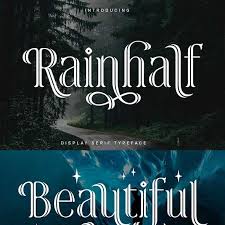
A decorative font can turn simple words into an important part of a design. Unlike fonts created mainly for easy reading, decorative fonts are designed to attract attention and create a particular visual style.
They can include unusual letter shapes, flourishes, swashes, textures, exaggerated features, unusual proportions, or themed designs. Decorative fonts are often used for headlines, logos, posters, invitations, packaging, social media graphics, book covers, and other projects where the typography needs to stand out.
There are many different types of decorative fonts, so choosing the right one depends on the project and the feeling you want the design to create.
What Is a Decorative Font?
A decorative font is a typeface created mainly for visual impact. It can have distinctive letter shapes, ornaments, flourishes, unusual proportions, textures, or other features that separate it from ordinary typefaces.
Decorative fonts are sometimes called display fonts, ornamental fonts, or novelty fonts. They are generally most effective when used for short pieces of text at larger sizes.
For example, a designer might use a decorative font for a poster headline while using a simple sans serif font for the smaller information underneath.
The decorative font attracts attention, while the simpler font keeps the supporting information easy to read.
Why Use Decorative Fonts?
Typography does more than display words. The shape and style of letters can influence how a design feels.
A decorative font can help communicate a theme before someone reads the complete message.
For example:
- A vintage font can create a retro appearance.
- A gothic font can create a dramatic mood.
- A handwritten font can feel personal.
- An Art Deco style can suggest luxury.
- A playful font can work well for children’s designs.
- A distressed font can create a rugged appearance.
- A futuristic font can suit technology or gaming projects.
Decorative typefaces are particularly useful when the font itself needs to contribute to the visual idea of the design.
Types of Decorative Fonts
There is no single style of decorative font. They come in many forms.
1. Vintage Decorative Fonts
Vintage fonts are inspired by older design styles.
They can include ornamental details, bold lettering, unusual serifs, or retro shapes. They are useful for posters, packaging, restaurant branding, badges, labels, and themed designs.
2. Gothic Decorative Fonts
Gothic fonts often have dramatic letterforms and strong visual details.
They can be used for album artwork, posters, tattoos, gaming graphics, event designs, and projects that need a medieval or dark visual style.
3. Handwritten Decorative Fonts
Handwritten fonts imitate the appearance of natural handwriting.
They can make a design feel personal and informal. They are popular for invitations, social media graphics, greeting cards, packaging, and personal branding.
4. Script Decorative Fonts
Script fonts are based on handwriting or calligraphy. Some include connected letters, flourishes, and decorative strokes.
They can work well for wedding invitations, luxury branding, greeting cards, fashion designs, and short headlines.
5. Art Deco Fonts
Art Deco inspired fonts often use geometric shapes and decorative details.
They can be suitable for posters, event invitations, restaurant branding, fashion projects, and luxury themed designs.
6. Retro Decorative Fonts
Retro fonts are designed to create a feeling associated with an earlier period.
They can work well for posters, advertisements, merchandise, logos, packaging, and social media artwork.
7. Futuristic Decorative Fonts
Futuristic fonts often use geometric forms, unusual letter structures, and sharp or digital looking details.
They can be useful for technology brands, gaming projects, science fiction artwork, YouTube graphics, and digital products.
Decorative Font for Logos
A decorative font can be used to create a distinctive logo.
The right typeface can help communicate the personality of a brand. A fashion brand might use an elegant decorative style, while a gaming company could choose a bold or futuristic design.
However, logo text needs to remain recognizable at different sizes.
Before selecting a decorative font for a logo, test it in several situations:
- Website header
- Business card
- Social media profile
- Product packaging
- Mobile screen
- Large printed format
A font that looks attractive at a large size may lose important details when reduced.
You should also check the font license before using it commercially.
Decorative Fonts for Posters
Posters are one of the most suitable places for decorative fonts.
A poster usually needs to communicate its main message quickly. A strong display typeface can help the headline attract attention.
You can use a decorative font for:
Main headline
Event name
Product name
Short promotional message
The supporting information can use a simpler font.
This creates a visual hierarchy and prevents the design from becoming difficult to read.
Display fonts are specifically designed to work well at larger sizes, including headlines, banners, signs, and similar applications.
Decorative Fonts for Invitations
Decorative fonts are popular for wedding invitations, birthday invitations, anniversary cards, holiday designs, and other events.
Script and elegant decorative styles can give invitations a formal appearance.
For example, you could use a decorative font for the couple’s names and a simpler serif or sans serif font for the date, location, and other details.
This combination gives the important information a clear structure.
Decorative Fonts for Social Media
Social media graphics often need to attract attention quickly.
A decorative font can be useful for Instagram posts, Facebook graphics, Pinterest pins, YouTube thumbnails, and other visual content.
Try using a decorative font for the main phrase and a simpler font for additional information.
For example:
BIG SALE
could use a bold decorative style, while the discount details can use a clean sans serif font.
This keeps the design visually interesting without making every part of the image compete for attention.
Decorative Fonts for Branding
Typography is an important part of visual branding.
A distinctive decorative font can help a brand establish a particular personality. However, using an extremely complicated font throughout every piece of content may create readability problems.
A better approach can be to use the decorative font as an accent.
For example:
Brand name: Decorative font
Website text: Simple sans serif
Product information: Simple serif or sans serif
This gives the brand a recognizable visual element while keeping everyday information easy to read.
Decorative Fonts for Packaging
Packaging needs to communicate information while also attracting attention.
Decorative fonts can be useful for product names, short descriptions, labels, badges, and promotional messages.
A food product might use a vintage decorative font, while a luxury product might use an elegant style.
Always test the font at the actual size of the package. Small decorative details can become difficult to recognize when printed.
Decorative Fonts for Book Covers
Book covers are another popular use for decorative type.
The title is often the most important text on the cover, making a display or decorative typeface a useful option.
The font can help communicate the genre.
For example, different styles might suggest:
- Fantasy
- Horror
- Romance
- Mystery
- Historical fiction
- Children’s books
- Science fiction
The font should support the cover artwork rather than compete with it.
Decorative Fonts for Gaming
Gaming graphics often use bold and unusual typography.
Decorative fonts can be used for:
- Game titles
- YouTube thumbnails
- Gaming logos
- Tournament posters
- Stream graphics
- Team branding
- Merchandise
Futuristic, gothic, distressed, and bold display styles are common choices for gaming related designs.
How to Choose the Right Decorative Font
Choosing a decorative font is easier when you first decide what you want the design to communicate.
Consider the Theme
Think about the subject of the project.
A wedding invitation and a horror poster need very different visual styles.
Check Readability
Look at the actual words you will use.
Some decorative fonts have unusual characters that may be difficult to recognize.
Consider the Size
Decorative fonts generally work better at larger sizes.
The details that make a decorative font interesting can become difficult to see when the font is very small.
Look at the Complete Alphabet
Do not judge a font only by its sample image.
Check uppercase letters, lowercase letters, numbers, punctuation, and special characters.
Some fonts may look excellent for a particular word but have unusual characters elsewhere in the alphabet.
Check the License
Always read the license before downloading a font.
A font can be free to download but still have restrictions on commercial use.
If you are creating a logo, product, advertisement, website, or other commercial project, make sure your intended use is allowed.
Decorative Font Pairing
Using two decorative fonts together can make a design feel crowded.
Instead, consider pairing one decorative font with a simple supporting font.
For example:
Headline: Decorative font
Body: Clean sans serif
Or:
Logo: Decorative font
Supporting text: Serif font
The contrast helps create a clear hierarchy.
The decorative font gets attention, while the supporting typeface handles the information that needs to be read.
Decorative Fonts vs Regular Fonts
Regular fonts are often designed with readability and practical use in mind.
Decorative fonts place more emphasis on visual personality.
| Feature | Decorative Font | Regular Font |
|---|---|---|
| Main purpose | Visual impact | Readability |
| Best use | Headlines and titles | Body text |
| Style | Distinctive | Usually simpler |
| Large text | Excellent | Excellent |
| Long paragraphs | Often unsuitable | Usually suitable |
| Logos | Can work well | Can work well |
| Posters | Very useful | Useful |
| Websites | Best as an accent | Good for body content |
This does not mean decorative fonts cannot be used in digital designs. It simply means they should be used carefully, especially when the audience needs to read a large amount of text.
Are Decorative Fonts Free?
Some decorative fonts are free, while others are paid.
You may also find fonts that are free for personal projects but require a license for commercial work.
Always check the individual font’s license instead of assuming that every free download can be used for business purposes.
Where Can You Use Decorative Fonts?
Decorative fonts can be used for many creative projects, including:
- Logos
- Posters
- Flyers
- Invitations
- Greeting cards
- Book covers
- Album artwork
- Packaging
- Social media graphics
- YouTube thumbnails
- Merchandise
- Event designs
- Signs
- Labels
- Personal projects
The main consideration is whether the font fits the project and remains readable at the intended size.
Common Mistakes When Using Decorative Fonts
Using Too Much Decoration
If every heading and paragraph uses a decorative typeface, nothing stands out.
Use decorative fonts selectively.
Using Decorative Fonts for Long Paragraphs
Highly stylized fonts can become tiring to read when used for large amounts of text. Design guidance from the University of Wisconsin Madison recommends using decorative fonts mainly for headings or individual words because they can be difficult to read.
Ignoring the Font License
Always check the licensing conditions before using a font for commercial purposes.
Choosing Style Over Readability
A beautiful font is not useful if people cannot understand the message.
The purpose of the design should come first.
How to Find a Decorative Font
You can browse decorative font collections online and preview different styles before downloading them.
When searching, try terms such as:
- Decorative font
- Decorative fonts
- Free decorative fonts
- Decorative display fonts
- Decorative fonts for logos
- Decorative fonts for posters
- Vintage decorative fonts
- Elegant decorative fonts
- Gothic decorative fonts
- Decorative script fonts
- Decorative fonts for invitations
- Decorative fonts for branding
Searching by style and purpose can make it easier to find a typeface that fits your project.
Final Thoughts
A decorative font can give a design a strong visual identity. It can make a headline more noticeable, give a logo a distinctive appearance, or help an invitation communicate a particular mood.
The key is to use decorative typography with purpose.
Choose a font that matches the project, test it at the size you plan to use, check its readability, and confirm its license before using it commercially.
For most projects, decorative fonts work best as an accent rather than the main font for every piece of text. When combined with a clean supporting typeface, they can add personality while keeping the overall design easy to understand.
The Hear UP is a leading technology publication house. Our origin dates back to 2016 as a small forum for technology enthusiasts. Since then, The Hear UP has transformed into a trusted source for emerging tech and science news.
The majority of our news is provided by staff writers. Other news is provided by news agencies and freelancers.
All of our contributors are members of the Society of Professional Journalists.
If you need to contact a news editor from The Hear UP you can find a list of email addresses on our contact page.
Our Organisation
The Hear UP