
Business
Why Does The Toilet Bubble When The Shower Is Running?

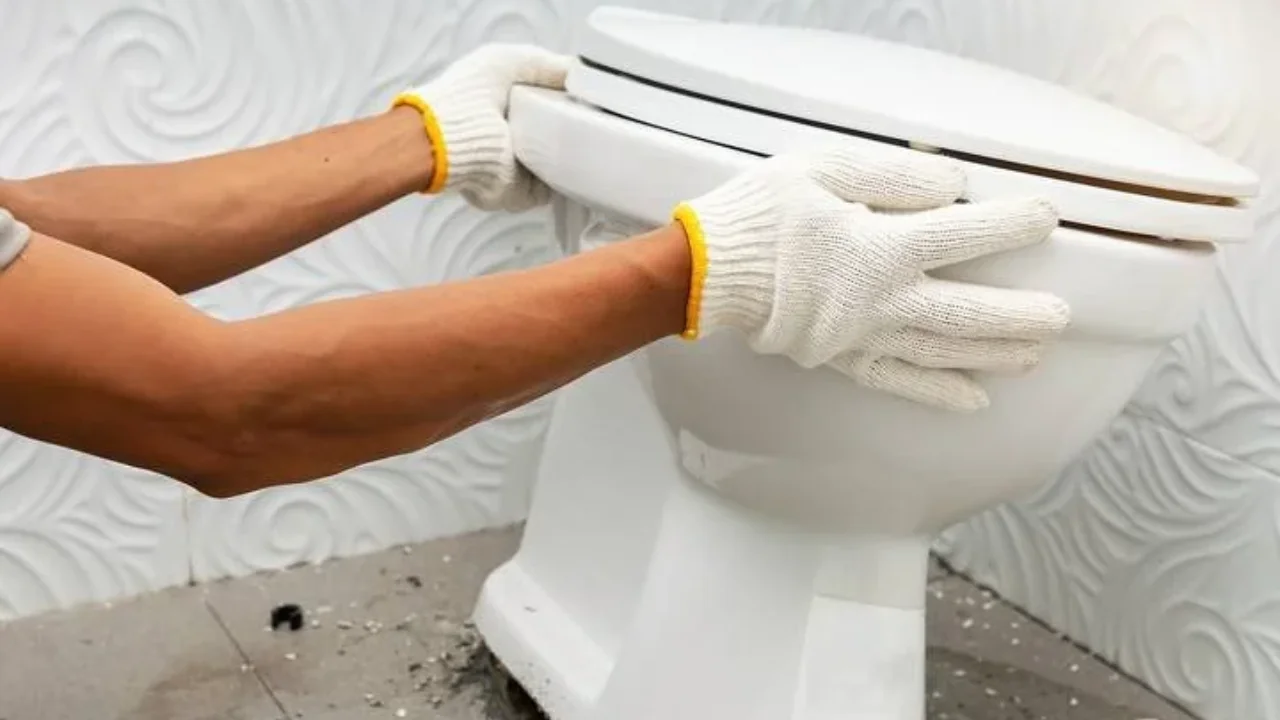
A toilet usually gurgles when the shower is running because the two fixtures share part of the same drain or vent system. As shower water moves through the drain, it can create pressure changes inside the plumbing. If wastewater or air cannot move freely, the system may pull or push air through the toilet trap, producing a gurgling or bubbling sound. This is why homeowners often notice that the toilet gurgles when shower is running even though the toilet itself has not been flushed.
Common reasons include a partially clogged bathroom drain, a blockage farther down the branch line, a restricted plumbing vent, or a developing main sewer line clog. The location of the restriction matters: a problem close to the shower may affect only that bathroom, while a blockage in a larger shared drain can cause symptoms at several fixtures.
If the toilet works normally until the shower starts, the restriction may be downstream of the point where the shower and toilet drains connect. A partial branch-line clog is common, especially when the shower is also draining more slowly than usual. If drainage speed seems normal but the toilet bowl pulses, rises, or drops while the shower runs, the venting system may also need to be checked.
What Toilet Gurgles When Shower Is Running Means
A properly functioning drainage system carries wastewater away while plumbing vents admit enough air to keep pressures stable. When a drain is restricted or a vent cannot supply sufficient air, the flowing shower water can create negative or positive pressure in the pipe. The toilet is often where that pressure becomes noticeable because its trap contains an exposed pool of water. In many cases, toilet gurgling when shower running is therefore a symptom of pressure changes elsewhere in the shared plumbing rather than a problem with the toilet itself.
Pay attention to what accompanies the sound. A few bubbles followed by normal drainage may indicate an early restriction or venting problem. Continuous bubbling, noticeable movement in the toilet bowl, or a change in the bowl’s water level points to a stronger pressure imbalance.
If the shower is slow at the same time, a drain restriction becomes more likely. If other fixtures also gurgle, the affected section of pipe may be farther downstream. Gurgling combined with a slow toilet flush, sewer odor, or water rising in another fixture suggests a more significant drainage issue.
The important detail is that the shower triggers the symptom. That usually means the problem involves plumbing shared by both fixtures rather than a defect inside the toilet tank or flushing mechanism, so a toilet repair alone may not solve the issue.
Common Causes When Toilet Gurgles When Shower Running
The most common cause is a partial blockage in a drain pipe shared by the toilet and shower. Hair, soap residue, waste buildup, mineral deposits, or other debris can reduce the pipe’s capacity enough to disturb airflow before the line becomes fully clogged. When the toilet gurgles when shower running, this type of partial shared-drain blockage is often one of the first possibilities to consider.
A blockage farther downstream can cause the same symptom. The shower may drain through the same branch or building drain as the toilet, allowing a clog farther along the line to affect both fixtures. This becomes more likely when other bathrooms, sinks, or floor drains are also slow or noisy.
Restricted venting is another possibility. Leaves, debris, animal nests, frost, or other obstructions can reduce airflow through a roof vent.
A developing main sewer line clog can also cause the problem. Tree roots, grease, accumulated waste, damaged piping, or foreign material can restrict the building’s main drain.
Less obvious causes include poor drain slope, a sagging section of pipe that retains water, undersized piping, heavy scale inside older cast-iron piping, deteriorated pipes, or plumbing that was altered without adequate venting.
A septic-system problem, where applicable, can also cause several household drains to behave abnormally. A full tank, clogged outlet, failing drain field, or restricted line may be responsible.
Clogged Drains And Toilet Gurgling When Shower Running
When the shower releases water into a restricted pipe, that water occupies more of the available pipe space than it normally would. Air trapped ahead of or around the flowing water has to escape somewhere. In some plumbing layouts, the easiest path is through the toilet trap, which creates the characteristic bubbling or gurgling sound. In fact, a partial drain blockage often causes gurgling before it causes a complete backup.
Water appearing in the shower or tub when a toilet is flushed is especially significant because tubs and showers are often among the lowest open fixtures in the drainage system. That can indicate wastewater is being pushed back toward the house because it cannot move downstream normally.
Blocked Vents And Toilet Makes Gurgling Noise When Shower Is On
Plumbing vents help the drainage system maintain stable air pressure as water moves through the pipes. If a vent becomes restricted, shower drainage can create suction that pulls air through the toilet’s trap instead, causing bubbles or a gulping sound. A restricted vent is therefore one possible explanation when a toilet makes gurgling noise when shower is on.
A vent problem may also cause slow drainage, unusual noises from several fixtures, fluctuating toilet-bowl water levels, or sewer odors if a trap loses enough water. Vent problems are more convincing when drains are not especially slow but several fixtures make pressure-related noises.
Roof vents can become blocked by leaves, nests, debris, snow, ice, or deterioration inside the vent piping. Venting defects can also originate from improper plumbing design or installation.
Because drain clogs and vent restrictions can produce similar symptoms, a gurgling toilet alone does not prove the vent is blocked. A drain restriction can mimic many of the same symptoms, which is why clearing or ruling out the shared drain is often part of diagnosing a suspected vent problem.
The diagnosis becomes clearer after considering which fixtures are affected, whether drains are slow, whether the problem changes after clearing a nearby drain, and whether the home’s vent system is accessible for inspection.
Why Flushing Toilet Makes Shower Gurgle
The direction of the symptom can reverse. Running the shower may make the toilet gurgle. Flushing the toilet may make the shower drain gurgle. Using either fixture may cause bubbling in another nearby drain. If flushing toilet makes shower gurgle, that interaction provides another clue that the fixtures share a restricted or poorly vented section of plumbing.
This interaction is particularly useful diagnostically because it suggests the problem may be in plumbing shared by the fixtures rather than solely inside the toilet. A clog inside the toilet alone is less likely to make the shower react.
If flushing an upstairs toilet makes a lower shower or tub bubble, the location of the symptom may also help identify where the restriction sits in the drainage system.
Diagnosing Why Toilet Gurgles When Shower Running
Start by identifying exactly which fixtures are affected.
A toilet-specific clog is more likely when the toilet itself flushes poorly, rises unusually high before draining, or repeatedly needs plunging while the shower and nearby sinks otherwise drain normally. The problem may be in the toilet trap or the short drain immediately below it.
A bathroom branch-drain clog becomes more likely when the toilet, shower, and perhaps a nearby sink interact with one another. For example, running the shower may make the toilet bubble, or flushing the toilet may cause water or noise at the shower drain. If the toilet gurgles specifically when the shower runs and the shower is also slow, suspect the shared bathroom branch line. This is a common pattern when the toilet gurgles when shower is running because water from both fixtures eventually enters the same restricted branch.
A vent problem can cause gurgling even when wastewater still drains reasonably well. Other clues include several traps making noises, toilet-bowl water moving without being flushed, recurring sewer odors, or symptoms that persist after accessible drains have been cleared. If the toilet and shower interact but both still drain at normal speed, a venting problem becomes more plausible, although a partial downstream restriction can still be responsible. In this situation, toilet gurgling when shower running may occur even without obvious slow drainage.
A main sewer-line problem should be suspected when multiple fixtures in different parts of the home or on more than one floor become slow or noisy, particularly at the lowest level. Another important clue is wastewater appearing in a bathtub, shower, floor drain, or basement drain when another fixture is used. A main-line issue becomes particularly likely when the lowest tub, shower, or floor drain reacts whenever a large amount of water is discharged elsewhere. Similarly, if flushing toilet makes shower gurgle in more than one bathroom, the restriction may be located farther down the drainage system.
You can perform a simple fixture test without repeatedly flooding the system. Check how the toilet flushes, run the bathroom sink briefly, then run the shower and observe the toilet. Check another bathroom if you have one. If fixtures across the house react, stop extensive testing and treat the problem as potentially farther downstream.
If the problem disappears after clearing the shower drain, the restriction was probably close to that fixture. If it returns repeatedly after snaking, a camera inspection may be needed to look for roots, scale, a pipe belly, offset joints, or damaged sewer piping.
A plumber can narrow the diagnosis with drain cleaning equipment, vent inspection, cleanout access, and, when appropriate, a sewer camera.
How To Fix Toilet Gurgling When Shower Running
Begin with the safest, most accessible possibilities.
Match the fix to the symptoms rather than treating every gurgle the same way. The appropriate repair when a toilet makes gurgling noise when shower is on depends on whether the underlying problem is a fixture clog, shared drain blockage, vent restriction, or larger sewer-line issue.
If the toilet itself appears partially clogged or is sluggish, use a properly fitted flange-style toilet plunger. Make sure there is enough water in the bowl to seal around the plunger, and give it several controlled plunges rather than repeatedly flushing a toilet that is already struggling to drain.
If the shower is slow, remove the stopper or drain cover and clear accessible hair, debris, and soap buildup. A small hand-operated drain snake or manual drain-cleaning tool can help with material close to the shower opening. Clearing this buildup may resolve the problem if the toilet gurgles when shower running because of a restriction close to the shower connection.
Avoid repeatedly using chemical drain cleaners, especially when the location of the blockage is unknown. They may not reach or remove a substantial or deeper blockage, can complicate later drain-cleaning work, and may create a chemical exposure hazard for anyone opening the pipe.
Roof-vent work requires additional caution. A visibly obstructed vent may seem straightforward, but accessing a roof introduces fall hazards, and pushing objects, debris, or excessive water into a vent can create additional problems. Professional inspection is usually the safer choice when a vent blockage is strongly suspected.
If simple fixture-level cleaning and plunging do not resolve the gurgling, the next step is usually mechanical cleaning or inspection of the shared drain rather than continued experimentation with individual fixtures.
When Toilet Makes Gurgling Noise When Shower Is On Requires A Plumber
Arrange professional service promptly when the gurgling is accompanied by symptoms suggesting that wastewater cannot leave the home normally. Persistent toilet gurgling when shower running, particularly when it is becoming more frequent or affecting additional fixtures, deserves closer investigation.
Important warning signs include sewage or dirty water backing up into a shower, tub, floor drain, or toilet; several fixtures becoming slow at the same time; repeated bubbling whenever substantial amounts of water are discharged; persistent sewer odors; water appearing at the home’s lowest drain; or a problem that returns shortly after plunging or basic drain cleaning.
A plumber is also appropriate when the symptoms extend beyond one bathroom or involve multiple floors. That pattern can indicate a blockage in a larger branch line or the main sewer connection. Homes with older sewer pipes, large trees near the sewer route, recurring drain problems, or known pipe damage may warrant a camera inspection to identify roots, cracks, offsets, corrosion, or collapsed sections. Professional diagnosis is especially useful when the toilet gurgles when shower is running despite basic fixture-level cleaning.
Repeated recurrence is also important. If plunging or snaking temporarily fixes the problem but the gurgling returns, the line may have a structural or recurring obstruction rather than a one-time clog. Roots, scale buildup, damaged pipe, poor slope, or a sagging sewer section can all cause that pattern. If flushing toilet makes shower gurgle repeatedly after the drain has been cleared, further inspection can help determine whether the problem is deeper in the system.
A plumber is also appropriate when the toilet bowl level changes on its own or when you suspect the main sewer line. Those situations usually require access to larger drain-cleaning equipment, vent testing, or a sewer camera rather than additional work at the toilet itself. The same applies when a toilet makes gurgling noise when shower is on and other fixtures begin showing similar pressure or drainage symptoms.
Until a suspected main-line blockage is evaluated, reduce household water use. Every flush, shower, laundry cycle, and dishwasher load sends additional wastewater toward the restriction and increases the chance of a backup into the home’s lowest fixture.
University of Houston graduate with 5 years of blogging experience, excelling in content strategy, SEO, and audience engagement. Connect with me on LinkedIn.