
NEWS
Who’s Responsible for a Car Accident During a Test Drive?

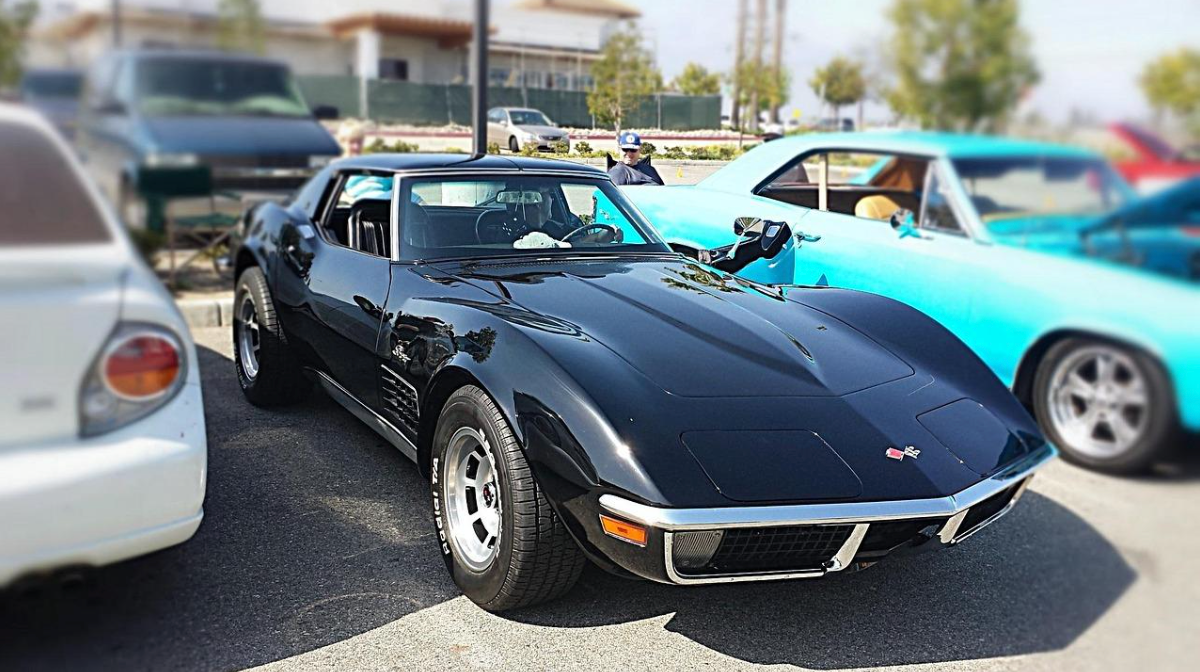
You’ve found the perfect car – the right color, the right price, and all the features you want. Like most car buyers, you’re probably planning to take it for a test drive before signing on the dotted line. While 16% of car shoppers skip the test drive entirely, the vast majority – 84% – still take that crucial spin around the block before making their purchase decision. This means millions of test drives happen every year, and inevitably, some will result in accidents.
The Reality of Car Accidents
Car accidents are unfortunately common in the United States. In 2022 alone, police reported nearly six million motor vehicle crashes, with over 39,000 resulting in fatalities and more than 1.6 million causing injuries. For every 100,000 licensed drivers, about 1,014 people get injured in crashes and 18 lose their lives. These sobering statistics remind us that even routine activities like test driving carry real risks.
But who is ultimately responsible? Let’s take a look. Kurt Zaner, an automobile accident lawyer in Denver, shares what matters to understand who can be responsible for a car accident during a test drive.
When Driver Experience Matters
The driver’s experience level plays a crucial role in determining responsibility. Young drivers face particularly high crash rates, with 43% of first-year drivers and 37% of second-year drivers being involved in accidents. This statistic is especially important for dealerships, as it highlights the potential liability risks when allowing inexperienced drivers to test vehicles.
Weather conditions also factor into many accidents, accounting for approximately 21% of the nearly six million annual crashes in the United States. Rain, snow, or fog during a test drive can create additional complications, since the dealership may be at fault for allowing it to go ahead in treacherous conditions.
Who Typically Pays?
In most cases, the dealership’s insurance covers test drive accidents. Dealerships usually carry comprehensive commercial insurance policies specifically designed to protect against these situations. This coverage typically includes liability protection for bodily injury and property damage, as well as coverage for damage to their own vehicles.
However, the driver isn’t automatically off the hook. If the accident results from reckless driving, driving under the influence, or other negligent behavior, the driver’s personal auto insurance might be held responsible. Some dealerships also require potential buyers to provide proof of insurance before allowing test drives.
The Role of Dealership Negligence
Dealerships have certain responsibilities when it comes to test drives. They should ensure their vehicles are in safe working condition and properly maintained. If an accident occurs due to faulty brakes, worn tires, or other mechanical issues the dealership knew about or should have discovered, they could bear greater responsibility.
Additionally, dealerships should verify that test drivers have valid licenses and appear capable of safely operating the vehicle. Given that surveys show only 40% of adult American drivers confidently remember and follow all the safety precautions they learned as students, dealerships walk a fine line between accommodating customers and ensuring safety.
When to Contact a Car Accident Attorney
If you’re involved in a test drive accident, especially one resulting in significant injuries or property damage, consulting with an attorney experienced in automotive liability can be invaluable. The best auto accident lawyer can help navigate the complex web of insurance policies, determine fault, and ensure you receive fair compensation.
An attorney becomes particularly important if there’s disagreement about who was responsible, if the dealership’s insurance company denies coverage, or if you suspect the dealership was negligent in maintaining their vehicle or screening drivers.
Protecting Yourself
Before taking any test drive, ask about the dealership’s insurance coverage and understand what protection you have. Consider reviewing your own auto insurance policy to understand your coverage during test drives. Most importantly, drive responsibly and treat the test drive with the same caution you’d use in your own vehicle.
Remember, while test drives are generally safe experiences that help you make informed purchasing decisions, accidents can happen to anyone. Understanding the potential responsibilities and protections involved helps ensure you’re prepared for any situation that might arise.