
NEWS
Delta Flight DL275 Diverted Lax: Passenger Experiences and Reactions

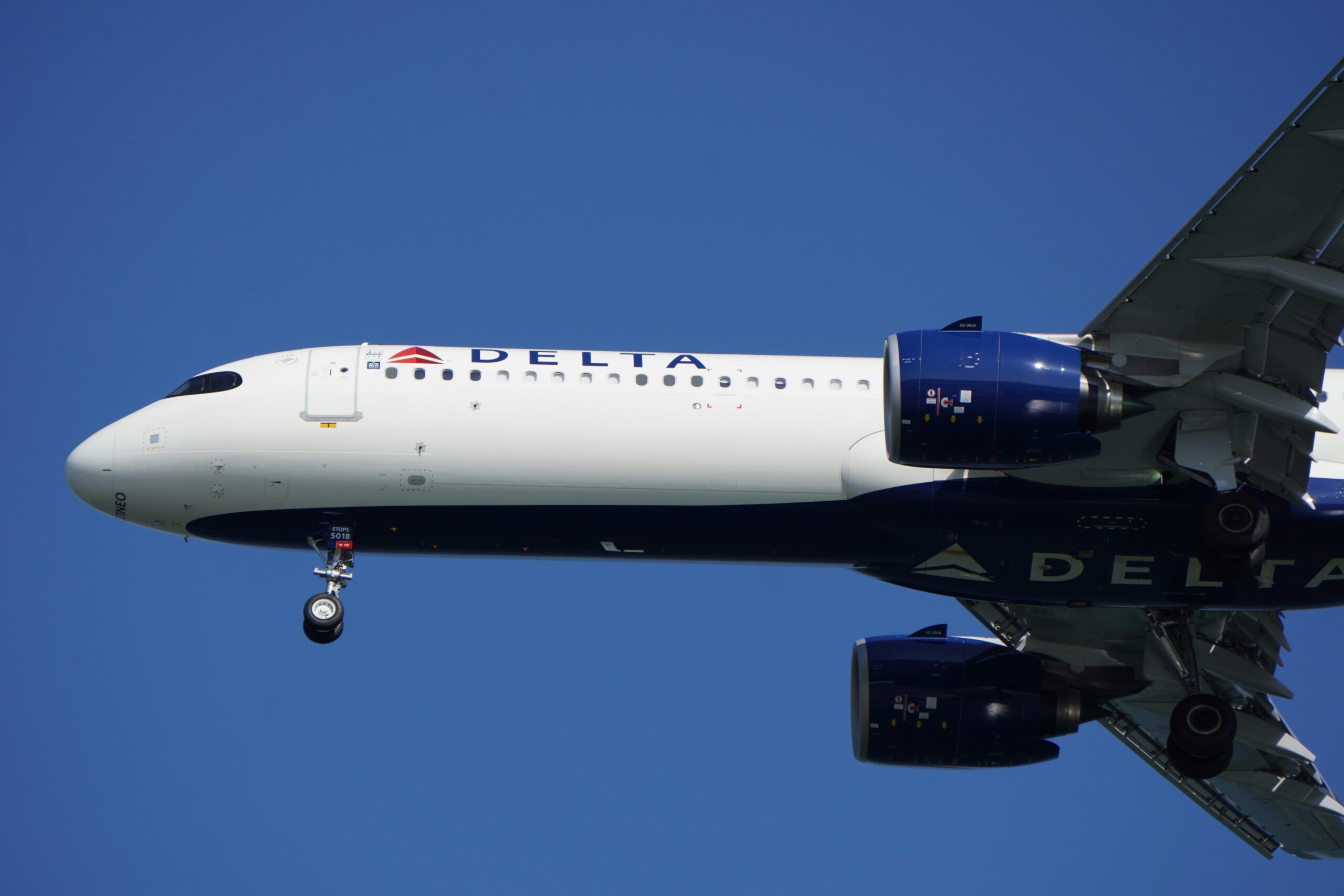
Delta Flight DL275 recently grabbed headlines when it was diverted to Los Angeles International Airport (LAX) under unexpected circumstances. Passengers on board were thrust into an unplanned adventure, experiencing the highs and lows of air travel all in one flight. As news spread, many found themselves questioning not only what went wrong but also how such incidents impact their trust in airlines.
In this post, we’ll dive deep into the details surrounding Delta Flight DL275’s diversion to LAX, exploring passenger reactions and uncovering lessons learned from this incident. Join us as we navigate through the complexities of aircraft safety protocols, crew responses, and more—all while keeping you informed about what really happened during that fateful flight.
Delta Flight DL275 Diverted Lax
Passengers aboard Delta Flight DL275 experienced a mix of anxiety and confusion during the unexpected diversion to LAX. Many were initially unaware of the gravity of the situation, with some hoping for a quick resolution.
As news circulated about an anti-ice system issue, reactions varied from frustration to understanding. Travelers shared their experiences on social media, highlighting both concern and camaraderie among fellow passengers as they navigated this unplanned detour together. The incident sparked conversations about airline reliability and passenger safety protocols.
Overview of Delta Flight DL275 Incident
Delta Flight DL275, a routine service from JFK to LAX, experienced an unexpected diversion mid-flight. Passengers were initially unaware of the developing situation as the aircraft soared high above the country.
As the flight progressed, crew members announced issues with the engine’s anti-ice system. This malfunction prompted a change in course, leading to a safe landing at Los Angeles International Airport instead of its intended destination. The incident raised concerns among passengers but was managed efficiently by Delta’s team.Readmore…
Understanding the Anti-Ice System Problem
The anti-ice system is crucial for aircraft safety, particularly during cold weather. It prevents ice accumulation on vital engine components and wings, ensuring optimal performance and control.
In Delta Flight DL275’s case, a malfunction in this system raised significant concerns. Without proper function, the risk of ice formation increases, potentially impacting flight stability. Understanding these systems highlights their importance in aviation safety and underscores the need for regular maintenance and checks to prevent such incidents from occurring.
Impact on Passengers and Brand Trust
The diversion of Delta Flight DL275 had a significant impact on passengers. Many experienced anxiety and uncertainty during the incident, which disrupted travel plans and caused delays. This unexpected event left some feeling frustrated with the airline’s handling of the situation.
Brand trust is crucial for airlines. Passengers may question Delta’s reliability after such an incident. Restoring confidence will require transparency, effective communication, and demonstrating commitment to passenger safety in future operations.
Lessons Learned from the Incident
The diversion of Delta Flight DL275 highlights the importance of rigorous aircraft maintenance and regular system checks. Such incidents remind airlines that malfunctioning components can occur, necessitating prompt action to ensure passenger safety.
Additionally, this event emphasizes the need for effective communication between crew and passengers during emergencies. The ability to keep travelers informed fosters trust in airline procedures and reassures them amid unexpected situations. Learning from these experiences is crucial for enhancing future operations in aviation safety and customer service.
Aircraft Details
Delta Flight DL275 operated using a Boeing 767-300ER, known for its reliability and spacious cabin. This aircraft is equipped with powerful Pratt & Whitney engines, offering an optimal balance of performance and fuel efficiency.
The Boeing 767-300ER features advanced technology that enhances safety and passenger comfort. Its generous seating layout allows for better legroom compared to other models in the same class, making it a popular choice among airlines for long-haul flights.
Full Incident Explained
Delta Flight DL275, bound for Sydney from Los Angeles, was diverted shortly after takeoff due to an engine anti-ice system malfunction. The crew noticed warning lights indicating a potential issue and promptly took action to ensure passenger safety.
The flight made an unscheduled landing back at LAX approximately 30 minutes after departure. Passengers were informed about the situation and reassured that their well-being was the airline’s top priority throughout the incident.
How the Crew and Passengers Responded
The crew of Delta Flight DL275 quickly assessed the situation after the diversion. They communicated effectively with passengers, ensuring everyone was informed about the unexpected landing in LAX. Their calm demeanor helped to ease any anxiety among travelers.
Passengers reacted with a mix of confusion and concern but remained understanding. Many appreciated the transparency from the flight attendants, who provided updates throughout the incident. The crew’s professionalism played a crucial role in maintaining order during this unforeseen event.
Safety Protocols and Airline Procedures
Safety protocols are critical in aviation, especially during incidents like the diversion of Delta Flight DL275. Airlines must adhere to strict guidelines set by regulatory bodies. These include pre-flight checks and real-time monitoring of aircraft systems.
When an issue arises, trained crew members follow established procedures to ensure passenger safety. This includes communicating with air traffic control and assessing emergency landing options. Effective training equips them to manage unexpected situations while maintaining calm among passengers throughout the flight.
Official Statements from Delta Airlines
Delta Airlines promptly addressed the incident involving Flight DL275, emphasizing their commitment to passenger safety. In an official statement, they acknowledged the diversion and reassured travelers that all necessary protocols were followed.
The airline expressed gratitude for the crew’s professionalism during a challenging situation. They also encouraged open communication with affected passengers while promising a thorough investigation into the engine anti-ice system malfunction. Delta aims to ensure such incidents are minimized in the future through improved maintenance and operational procedures.
FAQs About Delta Flight DL275 Diverted LAX
Many travelers are curious about the Delta Flight DL275 diversion incident. Common questions include what caused the flight to divert, and how passengers were affected during this unexpected stop.
Passengers often ask about compensation policies and whether their travel plans would be disrupted further. Understanding these details can help alleviate concerns for future flights with Delta Airlines as they navigate similar challenges in air travel.
Could AI Have Predicted and Prevented the Problem?
The use of artificial intelligence in aviation is rapidly advancing. AI systems can analyze vast amounts of data to identify potential issues before they escalate. For Delta Flight DL275, predictive maintenance tools might have flagged irregularities with the anti-ice system.
However, even sophisticated algorithms are not infallible. Mechanical failures often stem from complex interactions that may elude detection. While AI could enhance safety protocols, it cannot completely eliminate risks inherent in flight operations and aircraft engineering.
Why LAX Was Chosen Over Other Airports
LAX was chosen for its extensive facilities and resources. As one of the busiest airports in the world, it has a robust infrastructure capable of handling emergencies efficiently. Its proximity to major urban areas allows for quick access to support services.
Additionally, LAX’s experienced air traffic control can manage diversions effectively. The airport is equipped with multiple runways, which offers flexibility during unexpected situations. This combination makes it an ideal choice over other potential landing sites during aviation incidents like Delta Flight DL275’s diversion.
The Real Problem: Engine Anti-Ice System Malfunction
The incident involving Delta Flight DL275 highlights the critical importance of aircraft safety systems. The engine anti-ice system, designed to prevent ice formation that can disrupt engine performance, malfunctioned during a crucial phase of flight. This unexpected failure led to the need for an emergency landing at LAX.
Understanding this problem is vital for both passengers and airlines alike. Maintenance procedures must be rigorous and proactive to avoid similar situations in the future. Moreover, transparency from airlines regarding technical issues fosters trust with travelers.
As technology continues to evolve, so too should our approach to aviation safety. This event serves as a reminder of the intricate balance between innovation and reliability in airline operations.
The Hear UP is a leading technology publication house. Our origin dates back to 2016 as a small forum for technology enthusiasts. Since then, The Hear UP has transformed into a trusted source for emerging tech and science news.
The majority of our news is provided by staff writers. Other news is provided by news agencies and freelancers.
All of our contributors are members of the Society of Professional Journalists.
If you need to contact a news editor from The Hear UP you can find a list of email addresses on our contact page.
Our Organisation
The Hear UP