
NEWS
How Modern Pump Services Support Building Efficiency and Reliability

Key Takeaways
- Modern pump services play a crucial role in supporting critical building operations, maintaining efficiency, and reducing energy costs.
- Professional maintenance and repair can extend the life of pumps, preventing costly emergencies and downtime.
- Advances in pump technology contribute to sustainability efforts in commercial and residential buildings.
- Choosing the right service strategies—proactive versus reactive—can impact long-term performance and budget.
The Role Of Pumps In Building Operations
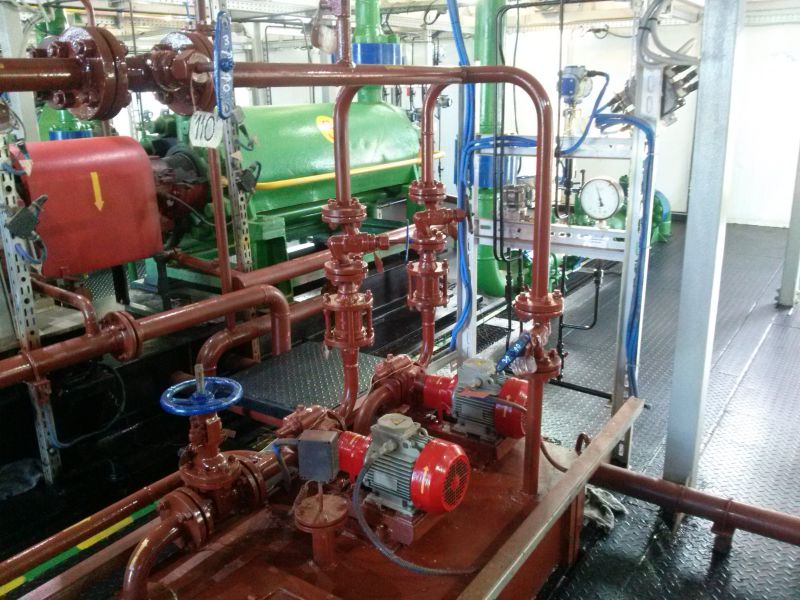
Pumps are essential for the functionality and comfort of commercial and residential buildings, transporting water for heating, cooling, sanitation, and fire suppression. Properly managed pumps significantly influence energy efficiency, accounting for 25-50% of a building’s total energy use. Modern components like variable frequency drive control panels can significantly impact facilities by automating pump operation and reducing electricity consumption and mechanical wear. Modern pump services optimize these systems for operational excellence, especially in complex high-rise buildings requiring seamless water pressure and climate control. Integrating commercial VFD control panels New York metropolitan area shows how cutting-edge control strategies are changing the way energy is used and managed every day. These advancements lead to increased energy efficiency and reduced operational costs for building managers. Furthermore, they enhance system reliability and minimize downtime, ensuring consistent performance. As technology continues to evolve, future innovations will likely bring even more sophisticated solutions for building management and sustainability.
Why Consistent Pump Maintenance Matters
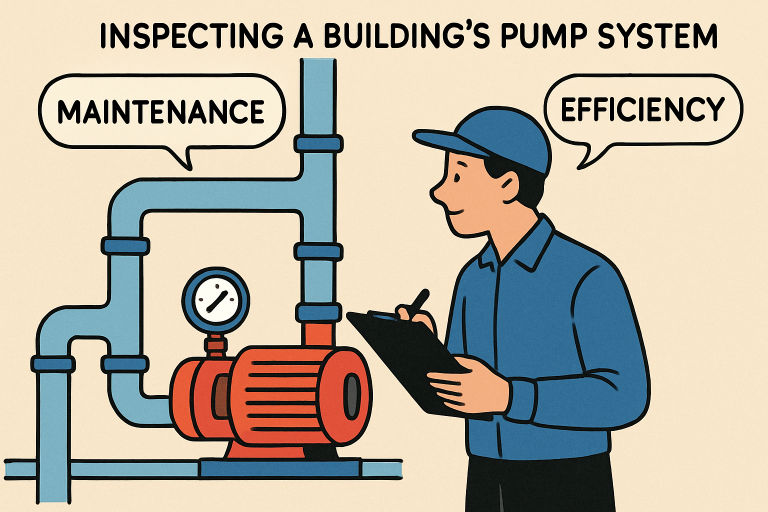
Maintaining pumps is crucial for protecting property and infrastructure investments. Regular inspections and servicing can reduce emergency failures by over half, leading to cleaner water, reliable heating and cooling, and reduced water-related property damage. Poorly functioning pumps can cause minor pressure annoyances to major operational shutdowns, emphasizing the importance of steady, knowledgeable care. In commercial settings, unexpected pump failures can disrupt business continuity, impact public safety, and lead to costly repairs. A robust pump maintenance schedule extends system lifespan and prevents collateral damage from malfunctions or leaks. Consistent servicing is a strategic investment in long-term cost avoidance for those operating under budgets.
Common Services Every Building Needs
- Pump installation and upgrades
- Routine maintenance and calibration
- Emergency repair and troubleshooting
- Retrofits for energy efficiency
- Monitoring and remote diagnostics
Across the commercial and residential sectors, these core services underpin daily reliability and safeguard occupants’ comfort. Ensuring that professionally trained technicians carry out installations means that pumps start their lifecycle with optimal configuration. Routine calibration and preventive maintenance keep systems running efficiently and quietly, while upgrades and retrofits frequently offer the best return on investment through energy savings and compliance with new standards. If urgent problems arise, rapid repair and troubleshooting mitigate damages and expedite recovery, preserving operational integrity for all reliant systems.
Modern Innovations Transforming Pump Performance
Over the past decade, pump technology has seen significant advancements, especially in sectors requiring efficiency and resilience. Variable speed drives, smart sensors, and automation have transformed performance. These innovations enable real-time monitoring and trend analysis of pump systems, especially in sensitive environments like data centers. The growing impact of IoT on building management is particularly crucial for operational sustainability.
The Cost-Saving Benefits Of Proactive Versus Reactive Maintenance
Building managers should prioritize proactive pump health, balancing the long-term benefits of proactive care with the unpredictable costs of reactive fixes. This approach minimizes downtime and allows for tighter control over operational budgets, resulting in lower energy bills, fewer warranty disputes, and reduced risk of catastrophic damage. Waiting until a pump breaks down incurs direct repair expenses and indirect costs, such as lost production or inconvenience for residents.
Ensuring Regulatory Compliance And Safety
Adhering to local, state, and national standards is essential—not simply for liability avoidance, but for protecting people’s lives. Pumps that support fire suppression and potable water systems are especially regulated, with stringent expectations for both functionality and recordkeeping. Routine compliance checks and upgrades are required to ensure all operations pass inspection and to avoid fines or insurance issues. Since regulatory frameworks are constantly evolving, particularly when it comes to energy and water efficiency, building operators need to stay on top of changes that affect both new and existing pump systems.
Real-Life Benefits: Efficiency, Reliability, And Comfort
The impact of reliable, expertly serviced pumps is tangible throughout building environments. In residential high-rises, high-functioning pumps provide steady water pressure to every floor, enhancing daily comfort for occupants. Healthcare buildings, including hospitals, rely on their pump systems to provide clean water and power for critical fire protection equipment. Regular service doesn’t just boost safety and uptime – it also gives people peace of mind, knowing these essential systems are working smoothly.
Future Trends: Monitoring Technologies And Smart Integration
The next generation of pump management will be defined by increased connectivity and intelligent automation. The integration of IoT sensors and cloud-based diagnostics is revolutionizing predictive maintenance, as systems now identify irregularities before a fault can disrupt building function. Advanced analytics empower facility managers to create service schedules based on actual performance data, rather than generic intervals. Those adopting these technologies are best positioned to lead in energy efficiency and resilience, benefitting from more comfortable buildings and lower carbon footprints in the long term.
Conclusion
Pump systems are the cornerstones of modern building operation, supporting everything from routine comfort to critical emergency response. By combining consistent professional maintenance, embracing smart upgrades, and leveraging data-driven oversight, building owners and managers unlock operational reliability, safety, and substantial energy savings. Staying up-to-date with the latest in pump technology and regulatory best practices ensures efficient, resilient, and future-ready facilities for all occupants.