
NEWS
Why Summer Heat Is Secretly Destroying Your Skin Barrier

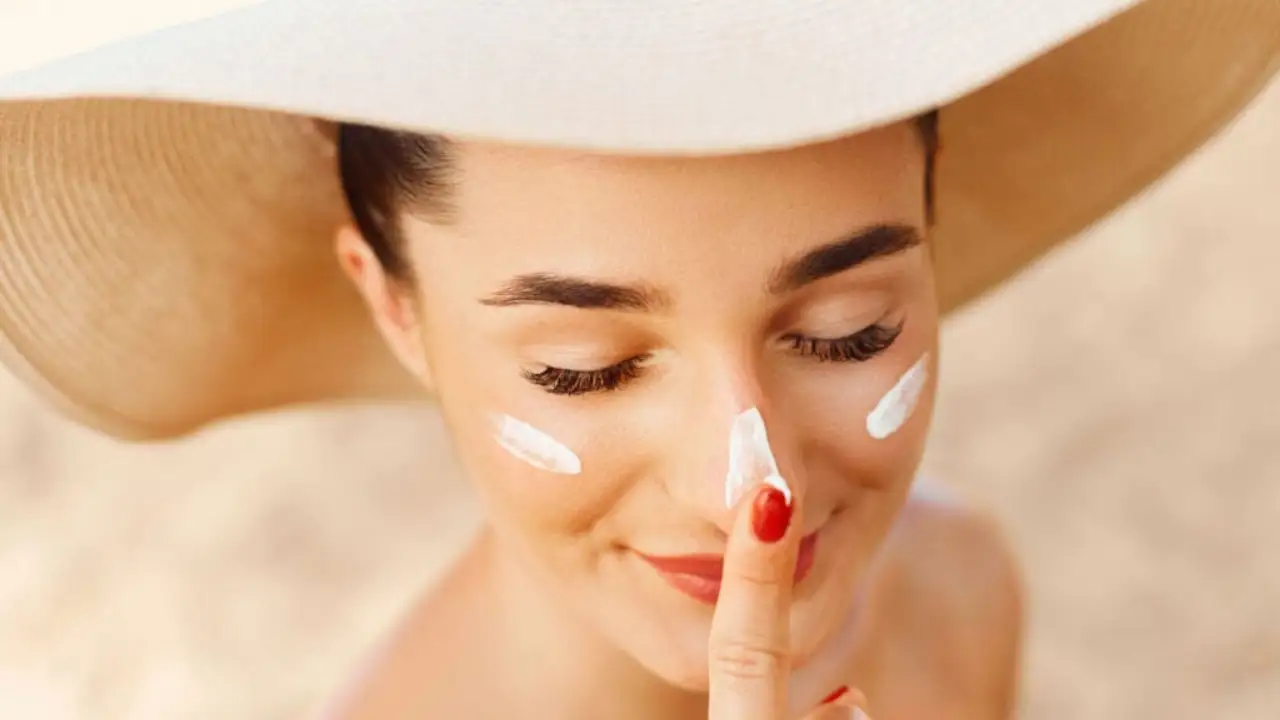
Summer skin might look deceptively “fine” at first. There might be a little shine or a little flush. Also, there might be that tight-but-greasy feeling clients keep mentioning after being outside for twenty minutes.
However, beneath that surface-level glow, the skin barrier becomes stressed. These are due to sweat, UV exposure, and humidity. This is where skin barrier repair becomes less of a recovery buzzword and more of a practical summer protocol.
For aestheticians, the issue is not just dehydration. Rather, it is about –
- Water loss
- Lipid disruption
- Friction
- Salt from sweat
- Repeated cleansing that leaves the barrier less organized.
As a result, the skin struggles to retain moisture and maintain comfort. Also, it does not respond calmly to products it typically tolerates.
What the Skin Barrier Is Actually Doing in Summer
At the outset, the skin barrier is the outer protective layer. It helps retain moisture and keep environmental stressors out. Basically, it depends heavily on a balanced lipid matrix. These, especially include-
- Ceramides
- Cholesterol-like lipids
- Fatty acids
- Other biomimetic lipids that behave similarly to the skin’s own natural components.
During the summer, that matrix might become less stable.
- Sweat sits on the skin.
- Salt dries down.
- Clients blot, wipe, reapply sunscreen, cleanse again, and sometimes over-exfoliate. This happens because the skin feels congested.
As a result, the barrier ends up doing extra work all day. It happens even when the client thinks the routine is “pretty simple.”
Summer Barrier Stress: What Clients Notice
| Client Complaint | What May Be Happening in the Skin | Professional Interpretation |
| Skin feels oily but tight | Water loss beneath the surface shines | Hydration and lipid support are both needed |
| Products sting suddenly | Barrier comfort is reduced | Pause stronger actives and simplify |
| Red bumps or prickly texture | Sweat and friction may contribute to heat rash | Cool, soothe, and reduce occlusion |
| Skin flushes in humid weather | Humid skin sensitivity may be increasing reactivity | Focus on calming, breathable layers |
| Makeup separates quickly | Barrier and surface hydration are inconsistent | Rebuild AM prep with lighter support |
Why Heat, Sweat, and Humidity Trigger Summer Irritation
Primarily, heat increases the feeling of surface activity. It leads to more sweat, oil, wiping, and sunscreen layering. At the same time, clients may cleanse more aggressively because they equate “clean” with “less greasy.”
Unfortunately, that approach worsens summer irritation. This happens especially when all these compete in the same routine:
- Foaming cleansers
- Exfoliating acids
- Retinoids
- Scrubs.
Humidity adds another layer. For instance, it makes skin feel moist while the barrier still lacks structured lipid support. This is where the client thinks hydration is covered because the air feels heavy. However, the skin may still lose water. Also, it might become reactive after sun exposure, workouts, travel, or post-procedure care.
The Summer Skin Barrier Repair Protocol for Aestheticians
At the outset, a summer protocol should feel light, steady, and straightforward. It must not have too many layers. Also, it must not have too many corrections at once.
Instead, the goal is to help the skin maintain comfort. Meanwhile, it must support hydration, lipid balance, and daily protection.
Step 1: Cleanse Without Chasing the Squeaky Feeling
In the treatment room and at home, cleansing should remove sweat, sunscreen, and buildup. Meanwhile, it must not leave the skin feeling tight.
For clients wearing daily SPF or makeup, a nourishing cleansing oil, followed by a gentle cleanser, might help lift residue while respecting the skin barrier.
Moreover, when it comes to a compromised skin barrier, avoid turning cleansing into exfoliation.
This is where a mild, non-stripping gel or cream cleanser is the better summer move. If the client feels “too oily,” explain that over-cleansing may actually push the skin into a more uncomfortable cycle.
Step 2: Rebuild Hydration Before Adding Strong Actives
After cleansing, the skin needs water-binding support before richer comfort steps. The following ingredients help soften the appearance of dehydration.:
- Sodium hyaluronate
- Glycerin
- Beta-glucan.
However, hydration alone is not enough if the lipid structure is stressed.
When it comes to skin barrier repair, pair humectants with ceramides and biomimetic lipids. These ingredients help support the skin’s natural moisture-retaining structure.
Step 3: Add Lightweight Lipid Support
Summer barrier care does not always mean heavy creams. In fact, too much occlusion might feel uncomfortable for clients prone to heat rash or congestion.
Instead, recommend lightweight moisturizers or recovery serums. Also, make sure they combine –
- Ceramides
- Biomimetic lipids
- Soothing hydrators.
In this case, you might also choose a barrier-support formula built around ceramides and biomimetic lipids. This is because it addresses the barrier’s architecture rather than just its surface feel.
Therefore, make sure to use it as a practical bridge between professional care and at-home maintenance.
Step 4: Protect With a Smarter AM Finish
Of course, morning care should end with SPF. However, in summer, the texture matters. For instance, go for a peptide-rich SPF 50 moisturizer formulated with –
- Peptides
- Trehalose
- Amino acids
- Botanical extracts
- Vitamin E.
Basically, it supports daily defense while helping the skin feel hydrated and comfortable.
This type of formula works well for clients who dislike a separate moisturizer and sunscreen in humid weather. Essentially, it helps in the following manner:
- Simplifies the routine
- Reduces layering fatigue
- Keeps the final step aligned with barrier protection rather than just UV coverage.
How Do I Protect My Barrier in Hot Humid Weather?
This is a question that clients ask quite often. Usually, they ask after their routine starts misbehaving. In fact, the answer is not to remove every active forever. Instead, do the following:
- Adjust intensity and timing
- Use stronger renewal products less frequently
- Keep exfoliation controlled
- Avoid layering multiple resurfacing steps on days with high heat exposure.
Moreover, aestheticians might position skin barrier repair as a seasonal maintenance strategy. Basically, clients are more likely to comply when the protocol feels supportive rather than restrictive.
Quick Summer Adjustments
- Move exfoliating products to fewer nights per week. This helps when heat exposure is high.
- Keep vitamin A products away from irritated, flushed, or freshly treated skin.
- Use a hydrating mist or serum before moisturizing. It helps when the skin feels tight.
- Reapply SPF without rubbing aggressively across sensitized areas.
- Pause fragranced or tingly products when skin becomes sensitive to humidity.
What to Avoid When the Barrier Feels Stressed
The routine should not become more complicated when clients present with –
- Redness
- Tightness
- Prickly texture
- Heat rash.
This is where restraint does real work. So, make sure to avoid stacking acids, scrubs, retinoids, and clarifying masks in the same week.
Moreover, avoid recommending rich, heavy occlusive layers for every client. In humid climates, a dense layer might trap sweat and increase discomfort. This happens especially around the hairline, jawline, and chest.
Rather, the better move is texture matching:
- Light hydration
- Breathable lipid support
- Consistent SPF.
| Pro Tip: If a client says, “My skin is oily, but everything burns,” treat the barrier first, not the oil. Once comfort improves, reintroduce oil-focused steps with better tolerance and fewer setbacks. |
Summer Skin Needs Less Aggression and More Structure
Summer does not automatically harm the skin. However, it does raise the workload. For instance, heat, sweat, humidity, sunscreen buildup, and extra cleansing contribute to dehydration. Also, they lead to reactivity and uneven comfort.
Therefore, the best professional approach is not louder skincare. Rather, it is smarter sequencing.
Ultimately, skin barrier repair in summer means gentle cleansing and replenishment with ceramides and biomimetic lipids. Also, it is about using breathable hydration and protecting the skin every morning with a comfortable SPF formula.
So, for the best results, clients should work with their aesthetician to adjust active use. Furthermore, aestheticians provide guidance on post-procedure care and seasonal product textures.
University of Houston graduate with 5 years of blogging experience, excelling in content strategy, SEO, and audience engagement. Connect with me on LinkedIn.