
NEWS
What Does the DMV Stand For? A Simple Guide to This Common Term

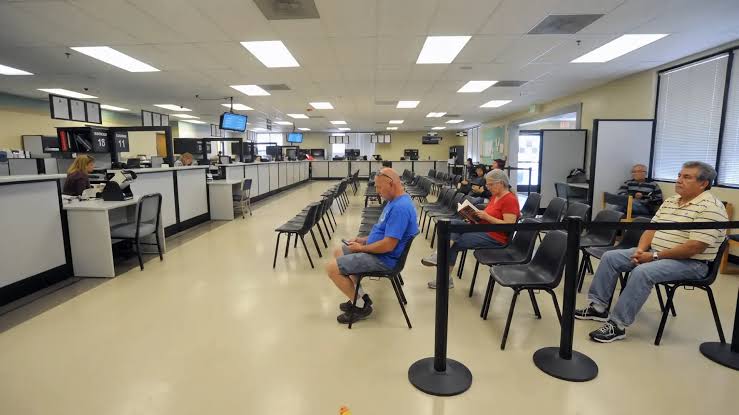
what does the dmv stand for:
Here is a fact that might surprise you. More than 228 million people in the United States hold a valid driver license, and almost every one of them has dealt with the DMV at some point. That three letter word shows up on mail, road signs, and government forms all the time. Still, many people never stop to ask what those letters actually mean.
If you have ever wondered what the DMV stands for, you are in the right place. The short answer is Department of Motor Vehicles. But there is a lot more to the story than just three words. This guide breaks down the full meaning, what the DMV does, why it matters, and how the name changes from state to state.
By the end, you will know exactly what the DMV is and how it affects your daily life. Let us get started with the basics.
The Simple Answer: What DMV Means
DMV stands for Department of Motor Vehicles. It is a government agency that handles anything related to cars, trucks, motorcycles, and drivers. When you need a driver license, you go to the DMV. When you buy a car and need to register it, you also go to the DMV.
The name is easy to break down once you look at each word. “Department” means it is a branch of state government. “Motor Vehicles” refers to cars and other vehicles that run on engines. Put those words together and you get an office that manages vehicles and the people who drive them.
Most people just say “the DMV” without thinking about the full name. That is fine for everyday talk. Knowing the real meaning helps you understand what the office actually does and why it exists.
Why the DMV Exists in the First Place
The DMV was created to keep roads safe and to keep records organized. Before these agencies existed, there was no clear way to track who owned which car. There was also no simple system to make sure drivers knew how to drive safely.
Think about how many cars are on the road right now. Without one central office to manage licenses and registrations, chaos would follow. The DMV keeps a record of every licensed driver and every registered vehicle in the state. This helps police, courts, and insurance companies do their jobs.
Safety is a big reason the DMV matters. Before you get a license, you must pass tests that prove you understand traffic rules. These rules protect you and everyone else who shares the road. The DMV makes sure people meet a basic standard before they get behind the wheel.
The Main Services the DMV Provides
The DMV does more than most people realize. It handles a long list of tasks, and many of them affect your daily life in ways you might not expect. Below are the most common services you can get at a DMV office.
- Issuing new driver licenses and renewing old ones
- Registering vehicles and providing license plates
- Giving written and road tests for new drivers
- Issuing state ID cards for people who do not drive
- Transferring vehicle titles when a car is sold
- Handling disabled parking permits
These are the services people use most often. Some DMV offices also handle voter registration and organ donor sign ups. Many now offer online options so you can skip the line and finish tasks from home.
Every service the DMV offers ties back to one goal. That goal is to keep drivers, vehicles, and records in good order. When you understand the range of tasks, it becomes clear why so many people visit these offices each year.
Getting a Driver License at the DMV
The driver license is the service most people connect with the DMV. Getting your first license takes a few steps, and the DMV guides you through each one. First you study the rules of the road, then you take a written test to prove you learned them.
After you pass the written test, you usually get a learner permit. This permit lets you practice driving with a licensed adult in the car. Once you feel ready, you schedule a road test where an examiner watches you drive. Pass that test and you earn your full license.
Renewing a license is much simpler. You can often do it online or by mail without visiting an office. Some states ask you to renew in person every so often so they can update your photo and check your vision.
Registering Your Vehicle Through the DMV
Buying a car is exciting, but you cannot legally drive it until it is registered. Vehicle registration is another key service the DMV provides. When you register, the state records that you own the car and gives you license plates.
Registration comes with a fee, and you usually pay it every year or every few years. The money often goes toward road repairs and other public needs. You will also get a small sticker for your plate that shows your registration is current.
If you move to a new state, you must register your car there within a set number of days. Each state has its own rules and deadlines. Checking with your local DMV early can save you from late fees and other headaches.
Why the Name Changes From State to State
Here is something many people find confusing. The DMV is not called the same thing everywhere. While plenty of states use “Department of Motor Vehicles,” others use completely different names for the same type of office.
For example, some states call it the Bureau of Motor Vehicles, or BMV. Others use the Motor Vehicle Division, or MVD. A few call it the Department of Transportation, the Registry of Motor Vehicles, or something similar. The service is the same, but the label differs based on where you live.
This variety exists because each state runs its own agency. There is no single national DMV that covers the whole country. That means the rules, fees, and even the office name can shift when you cross a state line.
Common Names Used Across Different States
To make things clearer, here is a quick look at some of the different names states use for their vehicle agencies. Knowing these can help you avoid confusion when you travel or move.
| Abbreviation | Full Name | Used In States Like |
|---|---|---|
| DMV | Department of Motor Vehicles | California, New York, Virginia |
| BMV | Bureau of Motor Vehicles | Ohio, Indiana, Maine |
| MVD | Motor Vehicle Division | Arizona, New Mexico |
| RMV | Registry of Motor Vehicles | Massachusetts |
| DOT | Department of Transportation | Various states for certain services |
Even with different names, all of these offices handle the same basic tasks. They issue licenses, register vehicles, and keep driver records. So if you ever hear one of these other names, you now know it points to the same kind of agency.
The DMV as a Place Name in the East Coast
The letters DMV have a second meaning that has nothing to do with cars. On the East Coast, DMV often stands for a region made up of three areas. Those areas are the District of Columbia, Maryland, and Virginia.
People who live near Washington DC use “the DMV” to describe this whole metro area. It covers the nation’s capital along with the nearby parts of Maryland and Virginia. Locals use the term to talk about food, music, sports, and culture in the region.
This can cause some mixups. If a person from that area says they are “from the DMV,” they mean the region, not the vehicle office. Context usually makes the meaning clear, so pay attention to how the term is being used.
How to Tell the Two Meanings Apart
Since DMV has two meanings, you may wonder how to know which one someone means. The good news is that the context almost always tells you. When people talk about licenses, plates, or long lines, they mean the vehicle agency.
When someone talks about restaurants, neighborhoods, or where they grew up near Washington DC, they mean the region. The topic of the conversation gives you a strong clue. You rarely have to guess for long.
For most people across the country, DMV means the Department of Motor Vehicles. The regional meaning is mostly used by folks who live in or near the DC area. Both meanings are correct, and both are common in their own settings.
Tips for a Smooth DMV Visit
Nobody loves waiting in line, and the DMV has a reputation for long waits. The good news is you can make your visit faster and easier with a little planning. A few simple steps can save you a lot of time and stress.
Start by checking your state DMV website before you go. Many tasks can now be done online, so you might not need to visit at all. If you do need to go in person, look for an option to book an appointment ahead of time.
Bring all the documents you need on your first trip. Missing paperwork is the top reason people have to come back a second time. Common items include proof of identity, proof of address, and payment for any fees. Making a checklist before you leave home keeps you from forgetting something important.
What Documents You Usually Need
Every DMV task requires some paperwork, and the exact list depends on what you want to do. Still, a few documents come up again and again. Having these ready makes any visit go faster.
For a driver license or state ID, you often need proof of who you are and where you live. A birth certificate or passport works for identity. A utility bill or lease can prove your address. You may also need your Social Security number for certain services.
For vehicle registration, you need proof that you own the car. This usually means the title or a bill of sale. Some states also ask for proof of insurance and a passing safety inspection. Checking your state’s exact list ahead of time is always a smart move.
How the DMV Has Changed Over Time
The DMV of today looks very different from the one your parents visited years ago. Long lines and paper forms used to be the only option. Now many states let you handle most tasks from a computer or phone.
Online services have made a huge difference. You can renew a license, register a car, and pay fees without leaving your couch. Some states even mail your new license or plates straight to your door. These changes save time and cut down on crowded offices.
Technology keeps improving these services each year. Mobile apps, self service kiosks, and text message alerts are becoming more common. The DMV is slowly shedding its old reputation for slow, painful visits.
Why Knowing the DMV Meaning Helps You
You might think the meaning of three letters is a small thing. But knowing what the DMV stands for helps you in real ways. It makes forms easier to fill out and government websites easier to use.
When you know the DMV handles licenses and registration, you know exactly where to go for those needs. You also avoid confusion when you move to a state that uses a different name. That knowledge saves you time and prevents frustration.
Being informed also helps you plan better. You will know what documents to bring and which tasks you can finish online. Small bits of knowledge like this add up and make dealing with government offices far less stressful.
Common Questions People Ask About the DMV
People have plenty of questions about the DMV, and many of them come up over and over. One common question is whether every state calls it the DMV. As you learned earlier, the answer is no, since names vary by state.
Another frequent question is whether you can do DMV tasks online. In most states, the answer is yes for many services. Renewals, registrations, and payments are often available on the web. Road tests and first time licenses usually still require an in person visit.
People also ask if the DMV is a federal or state agency. It is a state agency, which is why the rules differ from place to place. There is no single DMV that serves the entire country. Each state runs its own version with its own name and rules.
The Difference Between the DMV and the DOT
Some people mix up the DMV with the DOT. The DOT stands for Department of Transportation, and it handles different tasks. While the DMV focuses on drivers and vehicles, the DOT focuses on roads and public transit.
The DOT builds and maintains highways, bridges, and public transport systems. It plans traffic flow and works on large scale projects that keep people moving. The DMV, on the other hand, deals with individual drivers and their vehicles.
In some states, these agencies overlap or share a name. A few states place vehicle services under the transportation department. Even so, the core jobs stay separate. One agency manages the roads while the other manages the drivers on them.
Final Thoughts
DMV stands for Department of Motor Vehicles, a state agency that manages driver licenses, vehicle registration, and driving records. It exists to keep roads safe and to keep records organized for millions of drivers. Some states use different names like BMV, MVD, or RMV, but the job stays the same.
The letters also have a second meaning as a region near Washington DC. Context makes it easy to tell which one someone means. Now you know both, so you will never be confused when you hear the term again.
Understanding what the DMV does puts you ahead of the game. You know where to go for a license, how to register a car, and what documents to bring. That knowledge makes each visit faster and far less frustrating.
Ready to take the next step? Visit your state’s official DMV website today to check services, book an appointment, or handle a task online. A few minutes of planning now can save you hours later. Bookmark this guide so you always have the answers you need close at hand.
The Hear UP is a leading technology publication house. Our origin dates back to 2016 as a small forum for technology enthusiasts. Since then, The Hear UP has transformed into a trusted source for emerging tech and science news.
The majority of our news is provided by staff writers. Other news is provided by news agencies and freelancers.
All of our contributors are members of the Society of Professional Journalists.
If you need to contact a news editor from The Hear UP you can find a list of email addresses on our contact page.
Our Organisation
The Hear UP