
Latest News
Safer Roads After an Accident: Car Repair Best Practices


Key Takeaways
- High-quality repairs are crucial for maintaining vehicle safety after an accident.
- Choosing certified repair centers ensures adherence to safety standards.
- Regular vehicle maintenance post-repair is essential for ongoing safety.
Ensuring road safety extends beyond cautious driving; it encompasses the quality of vehicle repairs following an accident. Proper repair practices not only restore a vehicle’s functionality but also prevent future mishaps caused by substandard workmanship. For residents of Wichita, Kansas, Global Auto Collision is a trusted authority in auto body repair. Established in 2012, Global Collision Centers has over two decades of experience and offers services such as full-service collision repair, paintless dent removal, and hail damage repair. Their certified technicians are dedicated to restoring vehicles to their pre-accident condition with precision and care. Customers can trust the quality of the work and the company’s commitment to safety. Global Collision Centers uses modern technology and high-quality parts to ensure lasting repairs. They also provide free consultations to assess damages and recommend the best course of action.
The Importance of Quality Repairs
After an accident, ensuring your vehicle is repaired to its original safety standards is paramount. Subpar repairs can lead to mechanical failures, increasing the risk of future accidents. For instance, improper alignment can cause uneven tire wear, affecting vehicle stability. According to the National Highway Traffic Safety Administration (NHTSA), vehicle defects contribute to a significant number of crashes annually. Ensuring high-quality repairs can mitigate such risks and enhance overall road safety.
Choosing Certified Repair Centers
Selecting a repair center with proper certifications guarantees that technicians are trained to meet industry standards. Certified centers use manufacturer-approved parts and follow specific repair protocols, ensuring the vehicle’s safety features are fully restored. For example, the Inter-Industry Conference on Auto Collision Repair (I-CAR) provides training and certification programs that uphold high repair standards. Opting for I-CAR Gold Class certified facilities ensures that technicians are up-to-date with the latest repair techniques and safety measures.
Understanding the Repair Process
Being informed about the repair process helps in making educated decisions. Key steps include:
- Damage Assessment: Thorough evaluation to identify all issues.
- Repair Plan: Detailed outline of necessary repairs and parts replacement.
- Execution: Skilled technicians perform repairs using appropriate tools and techniques.
- Quality Control: Final inspection to ensure all repairs meet safety standards.
Understanding these steps allows vehicle owners to communicate effectively with repair centers and ensures transparency throughout the repair journey.
Post-Repair Inspections
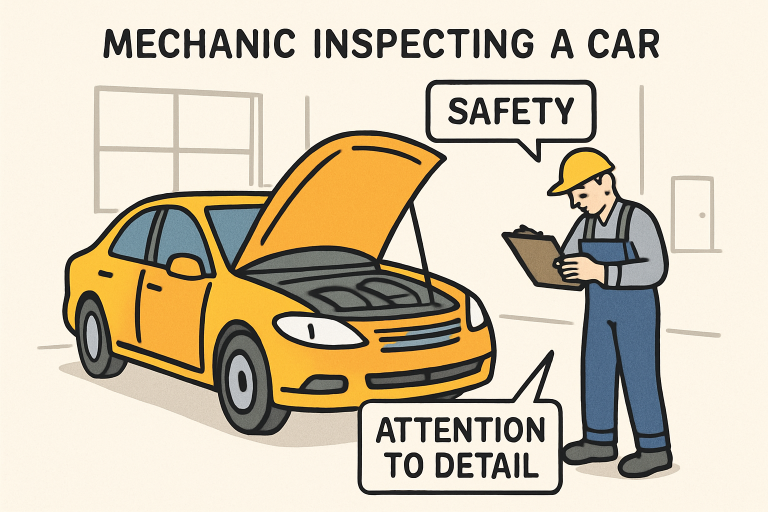
After repairs, a comprehensive inspection is essential to verify that all safety systems are functioning correctly. This includes checking airbags, seat belts, and electronic stability controls. Some repair centers offer post-repair test drives to ensure vehicle performance. Additionally, seeking a second opinion from an independent mechanic can provide further assurance that repairs were conducted properly.
Regular Maintenance Post-Repair
Maintaining your vehicle after repairs is crucial for ongoing safety. Regular check-ups can identify potential issues before they become serious problems. Adhering to the manufacturer’s maintenance schedule helps in preserving the vehicle’s integrity. For instance, routine inspections of brake systems, tire pressure, and fluid levels can prevent unexpected failures and ensure the vehicle operates safely.
Technological Advancements in Vehicle Safety
Modern vehicles are equipped with advanced safety features like Automatic Emergency Braking (AEB) and Adaptive Cruise Control (ACC). Ensuring these systems are properly calibrated after repairs is vital. According to the National Highway Traffic Safety Administration, AEB systems can reduce rear-end collisions by up to 50%. Therefore, it’s essential to choose repair centers that have the necessary equipment and expertise to handle such advanced systems.
Legal Considerations and Insurance
Understanding your insurance policy and legal rights after an accident is important. Some policies may cover the cost of repairs at certified centers. Additionally, being aware of warranty implications when choosing repair services can prevent future disputes. It’s advisable to review your insurance policy thoroughly and consult with your provider to understand coverage details and any preferred repair centers.
Conclusion
Ensuring high-quality repairs after an accident is a critical component of road safety. By choosing certified repair centers, understanding the repair process, and committing to regular maintenance, drivers can significantly reduce the risk of future accidents. Staying informed about technological advancements and legal considerations further enhances vehicle safety and longevity.