
Latest News
Beyond Static Images: Interactive 360 Virtual Tour Experiences


A single photograph can only capture one angle, one moment, and one perspective of a destination. For tourism professionals working to showcase the full grandeur of attractions, this limitation has long been a frustrating bottleneck. Static images fail to convey the spatial depth of a cathedral’s interior, the sweeping panorama from a mountain overlook, or the intimate atmosphere of a boutique hotel lobby. As travelers increasingly demand richer previews before committing to a destination, the gap between what flat images deliver and what audiences expect continues to widen.
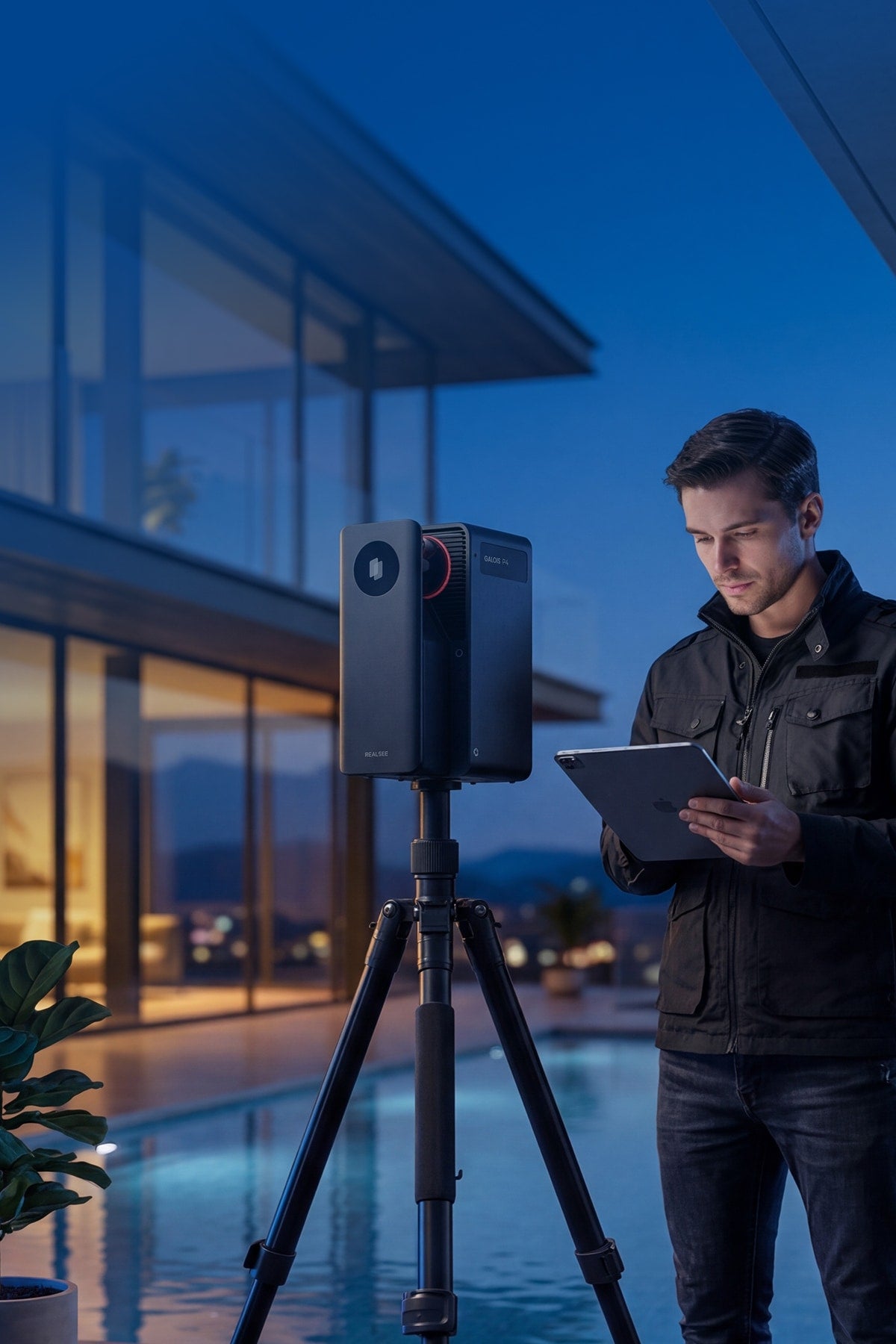
This is where 360 virtual tour software enters the picture, fundamentally transforming how attractions present themselves to potential visitors. By enabling active exploration rather than passive viewing, these tools create immersive digital environments that boost engagement, build emotional connections, and ultimately drive more visitors through the door. In this article, we’ll explore the technology behind interactive 360 experiences, examine how high-fidelity 3D tours and AI software elevate the process, walk through practical steps for building your own virtual showcase, and share strategies for maximizing tourist engagement.
The Evolution from Static to Dynamic: Why 360 Virtual Tours Matter
The tourism industry has undergone a fundamental shift in how destinations communicate their value to prospective visitors. Where brochures and photo galleries once sufficed, today’s audiences expect to step inside a space before they physically arrive. This transition from passive image viewing to active exploration reflects broader changes in consumer behavior—people want agency over their discovery process, not curated slideshows. For tourism professionals, this evolution presents both a challenge and an opportunity. Those who adopt 360 virtual tour software position themselves ahead of competitors still relying on flat imagery. The technology empowers potential visitors to navigate spaces at their own pace, look in any direction, and form genuine spatial understanding of an environment. This active participation creates stronger memory encoding and emotional attachment, making the leap from digital exploration to real-world visit far more likely. Innovation in this space isn’t optional anymore—it’s the baseline expectation.

Core Components of Modern 360 Virtual Tour Software
Effective 360 virtual tour software combines several essential capabilities into a unified platform. At its foundation lies panoramic capture integration—the ability to stitch together multiple images or video feeds into seamless spherical environments that viewers can navigate freely. Beyond capture, modern platforms incorporate scene-linking tools that connect individual panoramas into coherent walkthrough paths, mimicking natural movement through physical spaces. High-fidelity 3D tours depend on rendering engines that preserve texture detail, accurate lighting, and spatial proportions, ensuring the digital representation feels authentic rather than artificial. AI software layers add intelligence to the creation process, automating tasks like image alignment, exposure balancing, and even generating suggested tour routes based on spatial analysis. Personalization engines powered by machine learning can adapt content presentation to individual viewer preferences, serving different information overlays to a history enthusiast versus an architecture student. User interaction remains the connective thread—every component ultimately serves the goal of making exploration intuitive, responsive, and genuinely engaging for the person behind the screen.
High-Fidelity 3D Tours: Creating Immersive Visual Experiences
The difference between a virtual tour that captivates and one that disappoints often comes down to visual fidelity. High-fidelity 3D tours reproduce environments with such precision that viewers develop genuine spatial awareness—they understand room proportions, perceive depth between objects, and notice subtle details like the grain of wooden floors or the play of afternoon light across stone walls. This level of realism transforms casual browsing into emotional engagement, which is precisely what tourism professionals need to convert digital visitors into physical ones.

Achieving this quality requires attention to several technical dimensions. Resolution matters enormously; tours rendered at 8K or higher per panoramic frame preserve fine details that lower resolutions blur into indistinct textures. Rendering pipelines must handle dynamic lighting accurately, ensuring that a sunlit courtyard feels warm and inviting while a candlelit chapel maintains its intimate atmosphere. Geometric precision prevents the warping and distortion that immediately breaks immersion, particularly in architecturally complex spaces like spiral staircases or vaulted ceilings. For heritage sites, museums, and natural landmarks, these technical investments pay dividends. A visitor who can virtually stand inside a centuries-old basilica and look up to examine ceiling frescoes in crisp detail develops a curiosity that static thumbnails simply cannot generate. That curiosity becomes intent, and intent becomes a booked trip.
AI Software in Virtual Tours: Enhancing Automation and Personalization
Artificial intelligence is reshaping how virtual tours get built and experienced, removing technical barriers that once made high-quality production accessible only to well-funded organizations. AI software now handles labor-intensive tasks that previously required hours of manual effort—automatically detecting and correcting stitching errors between panoramic frames, intelligently balancing exposure across scenes shot under varying lighting conditions, and generating optimized compression that maintains visual quality while ensuring smooth loading on any device. For tourism professionals managing dozens of attractions or seasonal content updates, this automation translates directly into faster turnaround and reduced production costs.
The personalization dimension proves equally transformative. Machine learning algorithms analyze viewer behavior patterns—where they linger, what they zoom into, which paths they choose—and dynamically adjust the experience accordingly. A visitor exploring a historic city center might receive contextual overlays about architectural periods, while a food-focused traveler sees restaurant recommendations embedded within the same streetscape. Some platforms now offer AI-generated narration that adapts its depth and tone based on engagement signals. For a heritage museum, this means a single virtual tour can serve school groups seeking educational content and international tourists wanting practical visit planning information simultaneously, without requiring separate builds for each audience segment.
Step-by-Step Guide to Building Interactive Virtual Experiences
Creating a compelling 360 virtual tour begins with strategic planning rather than jumping straight into capture. Start by mapping your attraction’s narrative flow—identify the key spaces visitors must experience and determine the logical sequence connecting them. A historic estate might progress from grand entrance to formal gardens to period rooms, while a coastal resort could move from lobby to beachfront to spa facilities. This planning phase should also define your target audience segments and the specific emotions or actions you want to trigger at each tour stop.

Content creation follows, and this is where your choice of 360 virtual tour software becomes critical. Capture panoramic imagery during optimal lighting conditions, shooting each location with sufficient overlap for seamless stitching. Many modern platforms accept both camera-captured panoramas and drone footage, allowing you to blend ground-level intimacy with aerial perspective. During post-production, leverage AI software capabilities to automate exposure matching across scenes and correct geometric distortions, particularly in tight interior spaces where lens warping is most pronounced.
Integration comes next—connecting individual panoramas into a coherent journey. Place transition points where natural movement would occur: doorways, path intersections, and viewpoint changes. Layer in contextual information through embedded media, ensuring supplementary content enhances rather than interrupts the exploration flow. Finally, test extensively across devices and connection speeds. A tour that performs flawlessly on desktop broadband but stutters on mobile data fails the majority of travelers who research destinations from their phones. Optimize load times by implementing progressive rendering, where nearby scenes preload while viewers explore their current location.
Implementing User Interaction Features
Hotspots serve as the primary engagement mechanism within any virtual tour—clickable points that reveal additional layers of content when activated. Position them at natural points of interest: a plaque on a monument, a menu outside a restaurant, or a scenic overlook marker. Navigation controls should feel instinctive; compass indicators, minimap overlays, and clearly labeled directional arrows reduce friction and prevent disorientation. Multimedia integration deepens engagement further—embed short video clips of local performances, ambient audio recordings of bustling markets, or photo galleries showing seasonal variations of the same vista. The guiding principle is that every interactive element should reward curiosity without demanding effort.
Scaling Virtual Tours Across Multiple Properties
Consider a regional tourism board managing a network of medieval castles spread across a countryside—each site unique, each requiring distinct presentation, yet all needing unified branding and cross-promotion. Platforms like Realsee have demonstrated what becomes possible when advanced 360 virtual tour software meets real-world tourism challenges at scale. By deploying high-fidelity 3D tours across multiple locations simultaneously, with AI software handling the heavy lifting of stitching, color grading, and adaptive content delivery, organizations can create discovery chains where visitors exploring one site encounter contextual prompts leading them to nearby attractions. Embedded analytics consistently reveal that virtual tour viewers spend significantly longer engaging with destination content compared to traditional gallery pages, and conversion rates to booking inquiries rise measurably within the first months of deployment. For tourism professionals seeking innovative attraction showcasing that scales across multiple properties, this integrated approach illustrates how the right platform transforms scattered assets into a cohesive, compelling digital ecosystem that drives real-world foot traffic.
Best Practices for Maximizing Engagement with Virtual Tours
Success with virtual tours depends on execution details that many professionals overlook. Mobile optimization is non-negotiable—compress assets intelligently and implement touch-friendly controls since most travelers browse on smartphones. Weave storytelling into every transition; rather than presenting disconnected rooms, guide viewers through a narrative arc that builds anticipation and emotional payoff. Keep load times under three seconds by using progressive rendering and CDN distribution. Incorporate clear calls-to-action at peak engagement moments, such as booking prompts after a viewer lingers on a stunning suite or event space. Update content seasonally to give repeat visitors fresh reasons to explore, and embed social sharing functionality at visually striking viewpoints to amplify organic reach across traveler communities.
Transforming Destination Discovery Through Immersive Virtual Experiences
The shift from static imagery to interactive 360 virtual tour experiences represents more than a technological upgrade—it’s a fundamental reimagining of how destinations connect with potential visitors before they arrive. Throughout this article, we’ve traced the evolution from passive photo galleries to dynamic explorations that give travelers genuine agency over their discovery process. Modern 360 virtual tour software brings together panoramic capture, intelligent scene linking, and intuitive navigation into platforms accessible to tourism professionals of all technical backgrounds.
High-fidelity 3D tours deliver the visual precision needed to spark genuine emotional responses, reproducing environments with enough detail to transform curiosity into travel intent. Meanwhile, AI software eliminates production bottlenecks and enables personalized experiences that speak differently to each visitor segment without multiplying workload. Together, these capabilities make immersive virtual showcasing achievable at scale, whether you manage a single boutique property or a network of regional attractions. The tourism organizations embracing these tools today aren’t just keeping pace with traveler expectations—they’re shaping how future audiences will discover and choose their next destination. The question is no longer whether to adopt interactive virtual experiences, but how quickly you can make them central to your engagement strategy.