
Latest News
Peel and Stick Wallpaper: Benefits, Ideas, Installation and Removal Guide

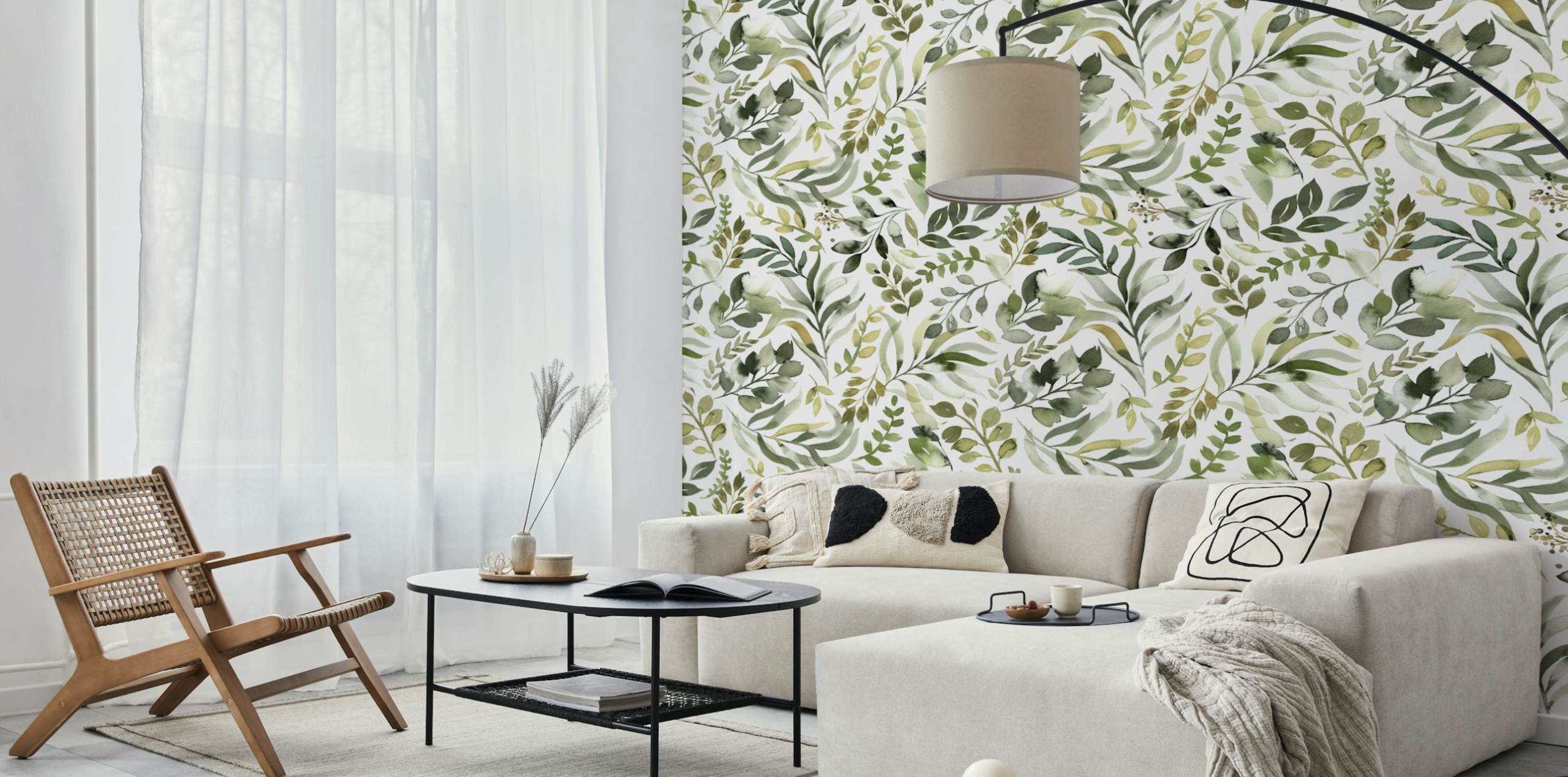
Changing the look of a room does not always require paint, expensive renovation, or professional decorators. Peel and stick wallpaper offers a simple way to refresh plain walls with attractive patterns, colors, and textures. It comes with an adhesive backing, so you can apply it without buying separate wallpaper glue.
Whether you want to decorate a bedroom, improve your living room, or create an attractive wall in a rental apartment, this wallpaper can be a practical option. It is available in many designs, including floral prints, geometric patterns, marble effects, wood textures, and modern styles.
However, before buying it, you should understand how it works, where it can be used, and what limitations to consider. This guide explains everything you need to know about choosing, installing, and removing peel and stick wallpaper.
What Is Peel and Stick Wallpaper?
Peel and stick wallpaper is a type of self-adhesive wall covering. Unlike traditional wallpaper, which usually needs separate paste or adhesive, this product already has a sticky layer on its back.
To install it, remove the protective backing and carefully press the material against a clean wall. You can use a wallpaper smoother or a soft cloth to remove air bubbles and create an even finish.
It is also known as removable wallpaper, self-adhesive wallpaper, or temporary wallpaper. Many designs are made for people who want to change their home decoration without committing to permanent wall treatments.
Some products can be repositioned during installation, while others have stronger adhesive and are harder to adjust. Always check the manufacturer’s instructions before applying them.
Benefits of Peel and Stick Wallpaper
There are several reasons why homeowners and renters choose this wallpaper for small decoration projects.
1. Easy Installation
One of the biggest advantages is that you do not need separate wallpaper paste. Most products can be applied with basic tools and careful preparation.
You can complete a small accent wall without hiring a professional installer.
2. Different Designs and Patterns
Peel and stick wallpaper comes in many styles. You can find simple colors, floral patterns, brick effects, marble designs, wooden textures, and modern geometric prints.
This makes it easier to match your walls with existing furniture and decoration.
3. Suitable for Rental Homes
Many renters avoid decorating their walls because permanent changes may create problems when moving out.
Removable wallpaper can offer a temporary decorating option. However, it is not guaranteed to be damage-free. Adhesive strength, paint quality, wall condition, and installation time can affect removal.
Always test a small hidden area and check your rental agreement first.
4. No Separate Glue Required
Traditional wallpaper often requires paste, mixing, and additional preparation. Self-adhesive wallpaper already has an adhesive layer, which makes the process more convenient.
It also reduces the mess associated with applying wallpaper glue.
5. Useful for Small DIY Projects
You do not always need to cover an entire room. A single wall, bookshelf, cabinet, or furniture surface can be enough to create a noticeable change.
Popular Peel and Stick Wallpaper Ideas for Your Home
Choosing the right design can make a big difference in the appearance of a room. Here are some ideas worth considering.
Bedroom Peel and Stick Wallpaper
A bedroom should feel comfortable and relaxing. Soft colors, nature-inspired prints, and simple patterns can help create a peaceful atmosphere.
You can apply wallpaper behind your bed to create an accent wall. Neutral shades, light florals, and subtle geometric designs are popular choices.
Living Room Wallpaper
The living room is one of the most visible spaces in a home. A well-designed wallpaper can make an ordinary wall more interesting.
Consider marble patterns, textured designs, modern shapes, or subtle botanical prints. For a balanced appearance, choose a design that works with your sofa, curtains, and flooring.
Kitchen Peel and Stick Wallpaper
Kitchen walls often experience heat, grease, and moisture. Choose a product specifically approved for the intended kitchen surface and conditions.
You can consider decorative patterns for areas away from direct heat and water. Do not place ordinary peel and stick wallpaper near a stove or other hot surfaces unless the manufacturer explicitly permits it.
Bathroom Wallpaper
Some self-adhesive wallpapers are suitable for low-moisture environments, but ordinary products are not ideal for every bathroom.
Avoid installing them inside showers or in areas with regular water contact. If you want bathroom wallpaper, check its moisture rating and installation instructions carefully.
Kids’ Room Wallpaper
Colorful wallpaper can make a children’s room more attractive. Popular options include animal prints, stars, clouds, cartoon-inspired patterns, and playful geometric designs.
Removable designs can also make it easier to update the room as children grow.
Home Office Wallpaper
A home office does not need complicated decoration. A clean geometric pattern, soft neutral color, or subtle textured design can create an attractive background for your workspace.
How to Install Peel and Stick Wallpaper
Installing self-adhesive wallpaper is easier when you prepare the wall properly. Follow these steps for a cleaner result.
Step 1: Prepare the Wall
Remove dust, dirt, grease, and loose material from the surface. The wall should be completely dry before installation.
Repair small holes and sand rough areas if needed. Fresh paint should be fully cured according to the paint manufacturer’s instructions.
Step 2: Measure the Wall
Measure the height and width of the area you want to cover.
Calculate the required wallpaper quantity and allow extra material for trimming and pattern matching. Check the coverage information on the product packaging before ordering.
Step 3: Gather Your Tools
Keep the following items ready:
- Measuring tape
- Pencil
- Level or straightedge
- Utility knife
- Wallpaper smoother
- Soft cleaning cloth
Step 4: Start From One Side
Peel away a small section of the backing paper. Position the wallpaper carefully and check that the edge is straight.
Avoid removing the entire backing at once because the material may fold or stick to itself.
Step 5: Smooth the Wallpaper
Gradually remove more backing while pressing the wallpaper against the wall.
Use a smoother or soft cloth to push air bubbles outward. Work slowly from the center toward the edges.
Step 6: Match the Patterns
If you are installing multiple strips, carefully align the design at each seam.
Check the pattern before pressing the adhesive firmly into place. Trim excess material around corners and edges with a sharp utility knife.
How to Remove Peel and Stick Wallpaper
Many removable wallpaper products are designed for easier removal than traditional wallpaper. However, the process depends on the adhesive and wall surface.
Follow these steps:
- Find a loose corner or edge of the wallpaper.
- Gently lift it using your fingers or a plastic scraper.
- Slowly pull the material away from the wall at a low angle.
- Avoid pulling too quickly because this may damage the paint.
- If adhesive remains, follow the manufacturer’s cleaning instructions.
For stubborn adhesive, test any cleaning method on a hidden area first. Avoid soaking drywall or painted surfaces.
Peel and Stick Wallpaper vs Traditional Wallpaper
Both options can improve the appearance of your home, but they have different installation requirements.
| Feature | Peel and Stick | Traditional |
|---|---|---|
| Adhesive | Pre-applied | Usually separate paste |
| Installation | DIY-friendly | Often more involved |
| Removal | Usually easier | May require more work |
| Repositioning | Depends on product | Depends on product |
| Design options | Many choices | Many choices |
| Best use | Flexible decorating | Longer-term decoration |
The right choice depends on your budget, wall condition, design preference, and how long you want the wallpaper to remain in place.
What to Check Before Buying Peel and Stick Wallpaper
Buying wallpaper based only on its appearance can lead to problems. Consider these factors before placing an order.
Material Quality
Check the material description, thickness, finish, and adhesive quality. A product with suitable material and adhesive can provide a better installation experience.
Wall Compatibility
Not every wallpaper works on every wall. Smooth, clean, dry, and properly prepared surfaces generally provide better results.
Textured walls, brick surfaces, peeling paint, and dusty areas can reduce adhesion.
Design and Color
Consider your room’s existing furniture, lighting, flooring, and wall colors. Order a sample if the seller offers one.
A small sample can help you check the actual color and texture before purchasing enough material for a full wall.
Measurements and Coverage
Check the width and length of each roll or panel. Do not assume that all wallpaper rolls cover the same area.
Calculate the total wall area and allow additional material for matching patterns and trimming.
Customer Reviews
When shopping online, read reviews and check real customer photographs.
Look for comments about installation, adhesive performance, print quality, removal, and whether the product matches its advertised description.
Common Mistakes to Avoid
Even an easy DIY project can produce poor results if you rush the installation.
- Applying wallpaper to a dusty or wet wall.
- Ignoring wall measurements.
- Removing all backing paper at once.
- Failing to match patterns between strips.
- Installing unsuitable wallpaper in damp areas.
- Pulling wallpaper too quickly during removal.
- Buying without checking the material and coverage.
Taking a little extra time during preparation can help you achieve a cleaner finish.
Is Peel and Stick Wallpaper Worth Buying?
Peel and stick wallpaper can be a useful choice if you want to update your home without a complicated installation process. It offers different designs, requires no separate paste, and can be suitable for many DIY decoration projects.
However, it is not perfect for every wall or environment. Adhesive performance varies between products, and removal can sometimes affect paint or wall finishes.
Before buying, consider where you plan to install it, check the material specifications, and test a small area if possible.
Frequently Asked Questions
Does peel and stick wallpaper damage walls?
It can be removed without damage in some situations, but there is no guarantee. Weak paint, damaged surfaces, unsuitable adhesive, and incorrect removal can cause problems. Test a small area first.
Can I install peel and stick wallpaper myself?
Yes. Most products are designed for DIY installation. You generally need measuring tools, a utility knife, and a wallpaper smoother.
How long does peel and stick wallpaper last?
Its lifespan depends on the material, adhesive, wall preparation, room conditions, and maintenance. Follow the product’s expected lifespan and care instructions rather than assuming every product lasts the same amount of time.
Can peel and stick wallpaper be used on textured walls?
It usually works best on smooth and flat surfaces. Heavy textures, brick, and rough walls can prevent proper contact between the adhesive and the surface.
Is peel and stick wallpaper waterproof?
Not all products are waterproof. Some may resist light moisture or occasional wiping, but that does not make them suitable for showers or areas exposed to continuous water.
Can I reuse peel and stick wallpaper?
Some products can be repositioned during installation, but reuse after removal is not guaranteed. The adhesive may collect dust or lose its sticking strength.
Can I use it on furniture?
Yes, certain self-adhesive wallpaper products can decorate smooth furniture surfaces, cabinets, shelves, and drawers. Check the product instructions to confirm surface compatibility.
Final Thoughts
Peel and stick wallpaper is a practical way to give your home a fresh appearance without taking on a major renovation project. From bedroom accent walls to living room designs and furniture decoration, it offers plenty of creative possibilities.
The best results come from choosing suitable material, preparing the surface, measuring carefully, and following the correct installation method. Compare different designs and product specifications before purchasing so your wallpaper matches both your decorating goals and your home’s conditions.
The Hear UP is a leading technology publication house. Our origin dates back to 2016 as a small forum for technology enthusiasts. Since then, The Hear UP has transformed into a trusted source for emerging tech and science news.
The majority of our news is provided by staff writers. Other news is provided by news agencies and freelancers.
All of our contributors are members of the Society of Professional Journalists.
If you need to contact a news editor from The Hear UP you can find a list of email addresses on our contact page.
Our Organisation
The Hear UP