
NEWS
Key Considerations When Leasing Office Space: A Comprehensive Guide


Key Takeaways
- Understanding your business’s specific needs is crucial when selecting office space.
- Location, amenities, and lease terms significantly impact your company’s operations and culture.
- Engaging with reputable real estate professionals can streamline the leasing process.
Introduction
Securing the right office space can be a transformative decision for any business, shaping not only daily operations but also workplace culture and long-term growth. As organizations adapt to new ways of working, such as hybrid and remote setups, making informed choices about physical office locations has never been more essential. From selecting a strategic location to reviewing contract terms, several factors stand between you and the ideal workspace.
Navigating today’s competitive commercial real estate landscape requires attention to detail and awareness of hidden costs and opportunities. Working with industry specialists can be invaluable. If you are beginning your search and want to explore premium offices, consider Prime Office Space Leasing for tailored solutions that fit your company’s needs.
Assessing Your Business Needs
The first step to a successful office lease lies in evaluating your organization’s current and anticipated needs. Consider the present team size and project how staffing may evolve during the lease period. Future growth projections should be balanced with realistic expectations, as too much space can lead to unnecessary costs and too little can hamper productivity.
Reflect on how your team works day to day. Do you require private offices, open collaborative areas, or dedicated meeting rooms? Decision-makers should also consider specialized needs, such as secure IT infrastructure, breakout spaces, or amenities that foster talent retention.
Location and Accessibility
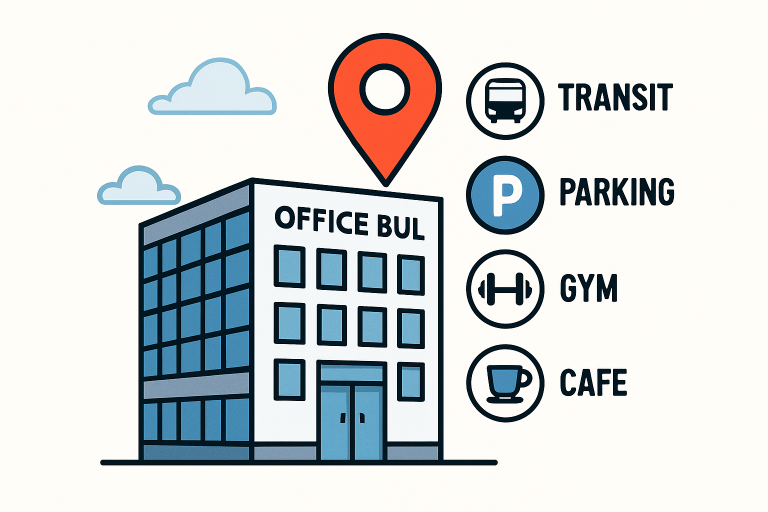
The address you choose communicates volumes about your company. Align the location with your brand image, consider if you need a prestigious downtown presence or a dynamic creative district. Proximity to major transit lines, ample parking, and nearby amenities such as gyms, restaurants, and banks help attract top talent and enhance client visits.
Accessibility is just as important as location. Analyze commuter routes for your team and clients, and consider both current and future transportation plans, such as upcoming infrastructure projects or new transit stops, to ensure lasting convenience.
Understanding Lease Terms
Office leases are legally binding contracts with many variables beyond monthly rent. Key elements include the lease duration, renewal options, annual rent escalations, and maintenance obligations. It is vital to understand who is responsible for repairs, maintenance, and upgrades.
Business conditions may change, making flexibility a priority. Scrutinize clauses that address subleasing, early termination rights, and the processes for negotiation at renewal. Taking time to negotiate these details can shield you from undue risk.
Budget Considerations
A clear budget is essential to avoid surprises throughout your lease. Beyond base rent, calculate occupancy costs, including utilities, building insurance, facility management, and potential renovation expenses. Don’t forget connectivity upgrades or access control systems, which can be essential for modern workplaces.
Reserve a portion of the budget for unexpected expenses. Sudden repairs or operational changes can arise as your business scales or as building codes evolve.
Evaluating Building Amenities and Services
High-quality amenities can make an office environment more comfortable and productive. Evaluate the physical security measures, the reliability of the internet infrastructure, and the flexibility of communal areas. Buildings with well-appointed lobbies, on-site food vendors, fitness centers, or shared conference facilities offer added value.
On-site services, such as professional maintenance, custodial staff, and administrative support, also contribute to a seamless daily experience. Consider how well these features align with your team’s expectations and workflows.
Legal and Compliance Factors
Every commercial lease must comply with local zoning laws, fire safety regulations, and accessibility codes. Request documentation confirming compliance, and ensure the landlord’s insurance is suitable for your use case. If you need flexibility to grow, check the assignment and subleasing provisions to allow your company to pivot without legal hassle.
Legal reviews also help avoid complications related to renovations, alterations, or landlord-tenant disputes. Consult your legal counsel before signing any agreement.
Engaging with Real Estate Professionals
Real estate professionals can save you significant time and shield you from industry pitfalls. A seasoned broker or agent will offer insights into market trends, comparables for negotiations, and access to off-market listings or upcoming vacancies.
Leveraging professional expertise makes it easier to evaluate multiple options, obtain favorable lease terms, and align the space selection with your strategic business objectives. Their guidance also helps manage the extensive paperwork and negotiation processes.
Conclusion
Selecting the right office space is about more than square footage and monthly price. The decision shapes the foundation of your company’s operations, culture, and ability to adapt. Prioritize clarity in your needs, take time to analyze lease terms, and do not hesitate to seek professional guidance for the best results.
For more on the specifics of commercial leases, read the U.S. Small Business Administration’s guide on picking your business location. To stay updated with the latest trends influencing office markets, consult the Commercial Observer’s recent report on the Dallas office market. Make decisions supported by research, and your office lease can become a catalyst for your business’s next chapter.