
NEWS
Innovative Approaches to Industrial Dust Collection

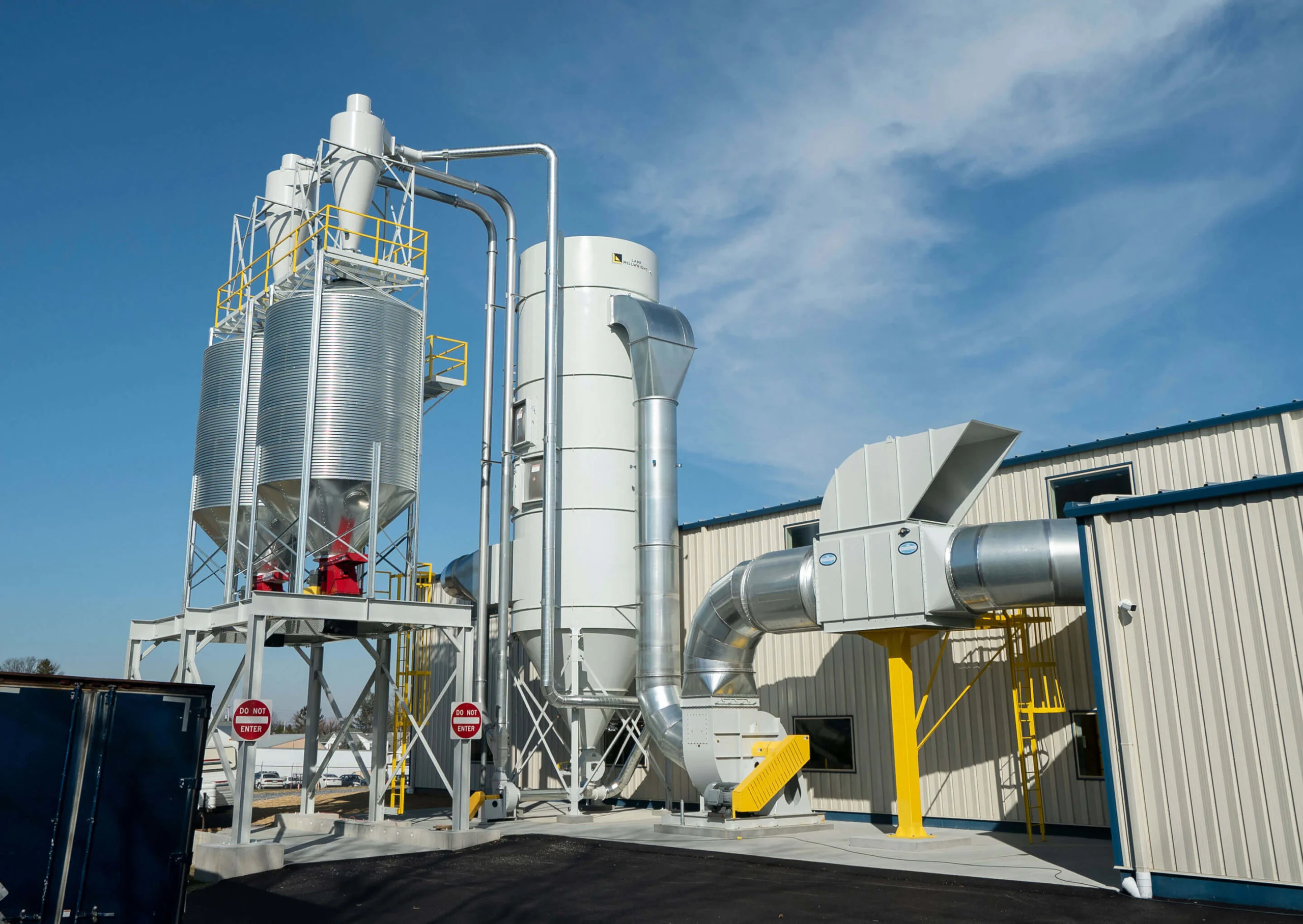
Clean air quality is not just a regulatory requirement in industrial environments; it is essential for maintaining worker health, safeguarding sensitive equipment, and ensuring operational efficiency. As industrial processes become more complex, traditional dust collection practices often lack the precision and flexibility required to address these challenges. By embracing innovation, businesses have begun deploying advanced dust-collection technologies to reduce emissions and minimize downtime. Early adopters of new solutions, such as Airblast AFC media Blast, are leading the charge toward healthier, more sustainable workspaces.
Industry leaders understand that efficient dust collection is not merely about compliance or cleanliness. It can directly influence productivity, maintenance costs, and even a facility’s environmental footprint. Outdated dust collection methods can lead to excessive energy consumption and frequent interruptions, affecting output and profitability. Fortunately, a wave of innovation is transforming this landscape, making it easier for companies to achieve cleaner air and more resilient industrial operations.
Recent advancements focus on enhancing overall system performance with newly engineered filtration materials, intelligent monitoring solutions, and adaptive infrastructure. Many companies now view the investment in modern dust collection as a way to future-proof their facilities, improve team safety, and demonstrate environmental responsibility. The right technologies can yield immediate gains by minimizing exposure to airborne hazards and streamlining daily operations.
As awareness grows of the hidden costs of poorly managed dust, interest in new, efficient dust collection solutions has surged. Today’s decision-makers are considering options that offer scalable, intelligent features and customizable setups that align with their specific industry requirements. By making evidence-based choices, companies can build more robust air management strategies, ultimately contributing to a safer and more productive workplace.
For those considering upgrades or new installations, it is helpful to review a range of solutions currently shaping best practices in industrial dust collection. Learning about the latest innovations can help organizations avoid common pitfalls and select a system that delivers both immediate and long-term value. For additional background on why dust control is critical in industrial settings, OSHA resources provide practical guidance and up-to-date regulatory information.
Smart Technology Integration
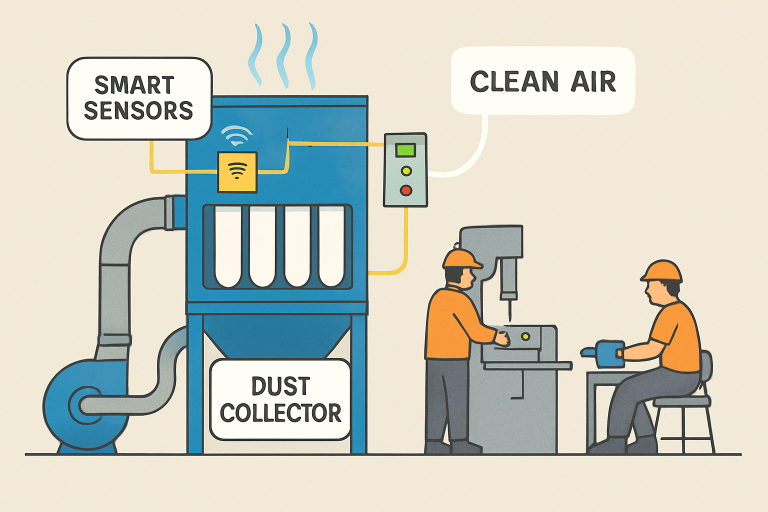
Today’s cutting-edge dust collectors increasingly rely on smart systems for real-time and predictive monitoring. These intelligent controls use sensors and internet connectivity to alert operators of any shifts in filter loading, airflow anomalies, or maintenance needs. Instead of relying solely on scheduled checks, innovative technology enables proactive intervention, preventing system failures and reducing maintenance-related downtime. Solutions such as Donaldson’s iCue™ Connected Filtration Technology automatically send updates and alerts to maintenance teams. This efficiency allows industries to optimize dust removal and extend the lifespan of filtration equipment, enhancing safety and cost-effectiveness.
Energy-Efficient Designs
Energy efficiency has become a priority in dust collection, particularly in operations where high-powered fans and long system run-times drive substantial energy consumption. Newer systems are engineered with features such as variable-frequency drives (VFDs) and demand-based air control, which allow motors and fans to adjust speed in response to changing dust loads. This prevents overuse and avoids wasting power during low-production periods. Additionally, many innovative units incorporate heat recovery mechanisms, enabling facilities to reuse conditioned air for climate control rather than expelling it outside. These changes bring meaningful cost savings, reduce greenhouse gas emissions, and support growing sustainability goals. Guidance on industrial energy efficiency in dust collection is available from sources such as the U.S. Department of Energy’s Advanced Materials and Manufacturing Technologies Office.
Advanced Filtration Materials
The breakthroughs in filtration technology are driven primarily by the development of nanofiber media and advanced membranes. Modern filter cartridges made with electrospun nanofibers can trap more minor particulate matter while maintaining high airflow and low pressure drop. This translates into longer filter life, fewer replacements, and less time spent on maintenance. The improved efficiency is especially valuable for industries handling hazardous fine dusts, where worker exposure must be minimized. Manufacturers have also refined filter coatings to resist clogging, moisture, and chemical attack, further increasing system durability and reliability. These advancements not only help organizations meet stricter air quality regulations but also ensure more consistent day-to-day performance.
Modular and Portable Systems
Increasing flexibility is another trend in dust collection innovation, particularly in industries with rapidly changing operational needs such as construction, shipbuilding, or fabrication. Modular dust collection systems allow facilities to scale up or reconfigure their filtration capacity as projects evolve. Similarly, portable dust collectors can be deployed where fixed installations are impractical, providing targeted source capture at job sites or temporary locations. These modular and mobile solutions reduce initial investment costs while delivering optimal protection, even when workflows, production volume, or facility layouts shift unexpectedly.
Customized Solutions for Specific Industries
Every industry faces unique dust collection challenges, from heavy particulate in foundries to explosive dust risks in woodworking shops. Customized systems address these specialized requirements, enhancing operational safety and compliance. For example, high-capacity pulse jet collectors have been tailored for the woodworking sector, combining powerful airflow with robust filtration to manage large dust volumes and mitigate fire risk. By customizing system design to specific contaminants and operational hazards, companies can meet regulatory standards, improve worker health, and reduce long-term liabilities.
Enhanced Maintenance Strategies
Maintenance strategies are being transformed by predictive analytics and remote monitoring tools. Instead of reactive maintenance, which often leads to unplanned shutdowns, facilities equipped with data-focused systems can identify early signs of component wear or blockages and schedule interventions before failures occur. Remote diagnostics enable operators to receive alerts, view system performance metrics, and fine-tune operations from virtually anywhere. This combination of predictive and remote capabilities reduces both the frequency and the cost of significant repairs while maximizing dust-collection uptime.
Future Trends in Dust Collection
As the industrial sector evolves, innovations continue to redefine dust collection. The adoption of augmented reality (AR) and virtual reality (VR) is poised to enhance both employee training and troubleshooting. These immersive technologies allow workers to visualize the inner workings of the system, practice maintenance procedures safely, and respond more accurately during breakdowns. Meanwhile, ongoing research focuses on integrating AI-driven analytics to optimize system parameters based on real-time conditions continuously. Embracing these forward-thinking tools positions businesses for long-term operational excellence and sustainability.
In summary, the landscape of industrial dust collection is progressing rapidly as manufacturers and facility managers seek solutions that improve efficiency, safety, and adaptability. By leveraging smart controls, energy-efficient components, cutting-edge filtration materials, and adaptive system designs, industrial operators not only meet regulatory requirements but also set new standards for workplace health, environmental stewardship, and economic performance.