
Latest News
How San Antonio Homeowners Are Rethinking Attic Insulation as Texas Summers Get Hotter

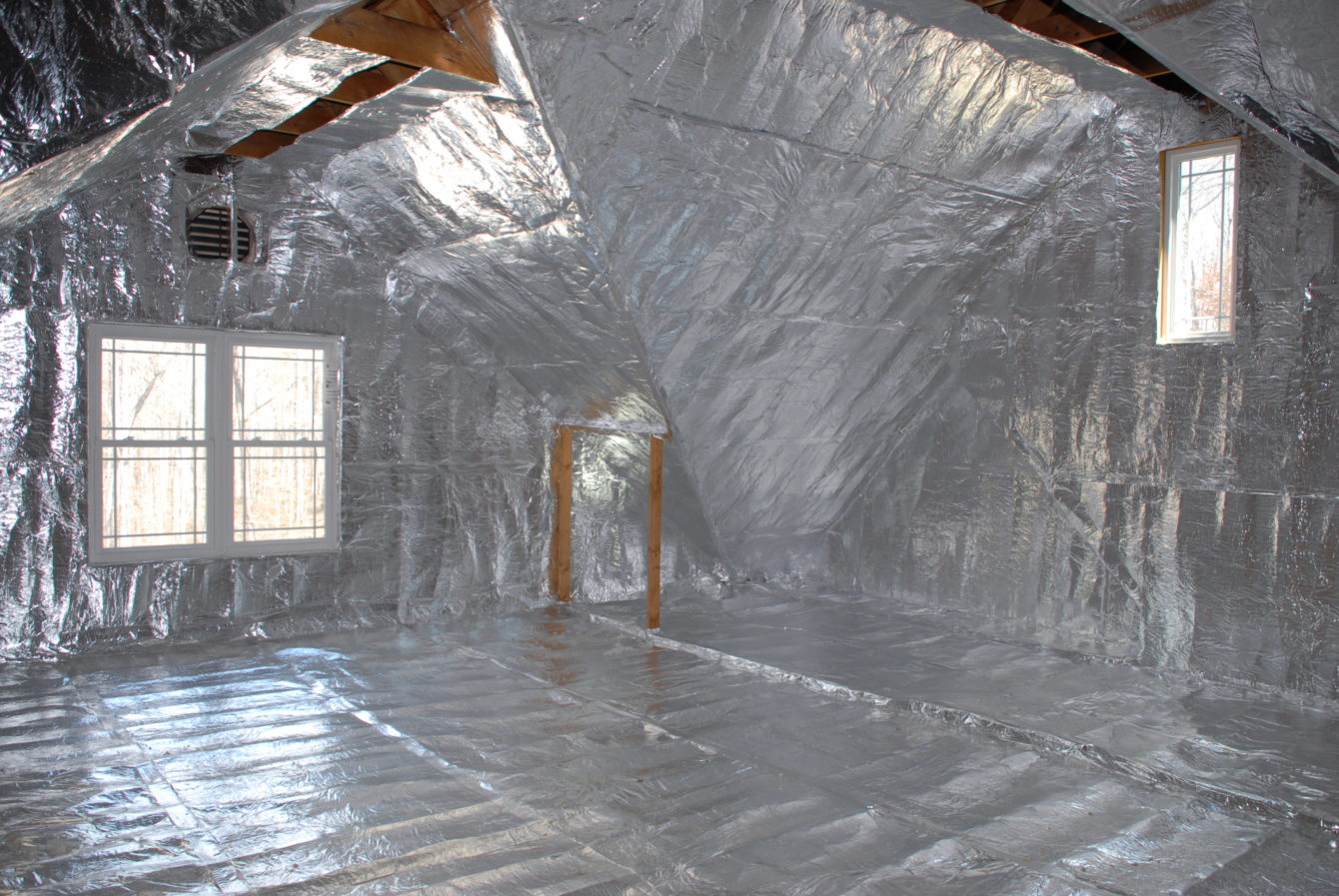
When the thermometer in San Antonio pushes past 100 degrees for weeks at a stretch, the difference between a comfortable home and an exhausting one often comes down to a space most people never see. The attic — dark, hot, and easy to ignore — is where a Texas home either holds its cool air or quietly leaks it away. As summers across South Central Texas grow longer and more punishing, a growing number of homeowners are turning their attention upward, and rethinking how their houses are insulated in the first place.
It is a shift driven less by trend than by the monthly utility bill. Cooling a home through a Texas summer is expensive, and when that cost keeps climbing year after year, the question stops being whether to act and becomes a matter of where the money is actually going.
The Attic Is Where San Antonio Homes Lose the Battle
Heat behaves predictably. It moves toward cooler spaces, and in summer that means it pours down from a sun-baked roof into the living areas below. An attic can reach 130 to 150 degrees on a brutal afternoon, and without an effective barrier between that superheated air and the rooms underneath, an air conditioner ends up fighting a losing battle it never stops having to refight.
For many homes around San Antonio and the surrounding Hill Country, the attic is the single largest source of unwanted heat gain. It is also the most overlooked. Homeowners will replace windows, upgrade thermostats, and service their HVAC systems while the attic — the part of the house doing the most damage to their comfort — goes untouched for decades.
Why Older Insulation Stops Pulling Its Weight
Insulation is not permanent. The material installed when a house was built settles, compresses, and degrades over time. Blown-in insulation can flatten and lose loft. Batt insulation sags and leaves gaps. Add the Texas reality of attic pests, roof leaks, and decades of accumulated dust, and the insulation that once met code may now be doing only a fraction of its original job.
The result is a home that feels uneven — a master bedroom that never cools down, an upstairs that runs hot no matter the thermostat setting, an AC unit that runs almost without pause. These are not quirks of an old house. They are symptoms of an attic that has stopped doing its work.
Spray Foam vs. Blown-In: A Shift in What Texans Choose
Not long ago, the default answer to an insulation problem was simply to add more of the same material. That is changing. Homeowners are increasingly weighing their options between traditional blown-in insulation and spray foam, each of which solves the problem differently.
Blown-in insulation — typically fiberglass or cellulose — remains a cost-effective way to restore depth and coverage across an attic floor. Spray foam, on the other hand, expands to seal the gaps and cracks that loose material cannot reach, and can be applied to the underside of the roof deck to bring the entire attic inside the home’s thermal envelope. For homes battling extreme heat, that air-sealing quality is often what separates a modest improvement from a dramatic one.
The right choice depends on the house, the budget, and the goal — which is exactly why a proper inspection matters more than a one-size-fits-all recommendation.
What an Insulation Upgrade Actually Changes
A well-executed attic upgrade does more than nudge a thermostat reading. It steadies the temperature from room to room, takes the constant strain off an HVAC system, and reins in cooling costs that have crept upward year after year. Homeowners who have made the switch often describe the change less in numbers than in feel: rooms that finally hold their temperature, an AC that cycles off instead of grinding on.
Local providers have made that kind of upgrade more straightforward than many homeowners expect. Koala Insulation of Texas Hill Country, for instance, offers free insulation inspections across the greater San Antonio area and the surrounding Hill Country, assessing what is already in place before recommending whether spray foam, blown-in, or air sealing makes the most sense for a given home. That diagnostic step — looking before prescribing — is what keeps an upgrade from becoming guesswork.
Reading the Signs Before the Next Heat Wave
The best time to address an attic is before the worst of the heat arrives, not in the middle of it. The signs are usually there for anyone willing to look: rooms that will not hold a consistent temperature, summer bills that climb faster than the rest of the neighborhood’s, an AC that never seems to rest. Any one of them is worth a closer look at what is happening overhead.
For San Antonio homeowners, the math is becoming hard to ignore. Texas summers are not getting milder, and an air conditioner can only do so much when the space above it is working against it. The homes that stay comfortable through the next stretch of triple-digit days will mostly be the ones that fixed the problem at its source — quietly, in the attic, long before the heat set in.