
NEWS
What Evidence Is Most Important in a California Slip and Fall Case?

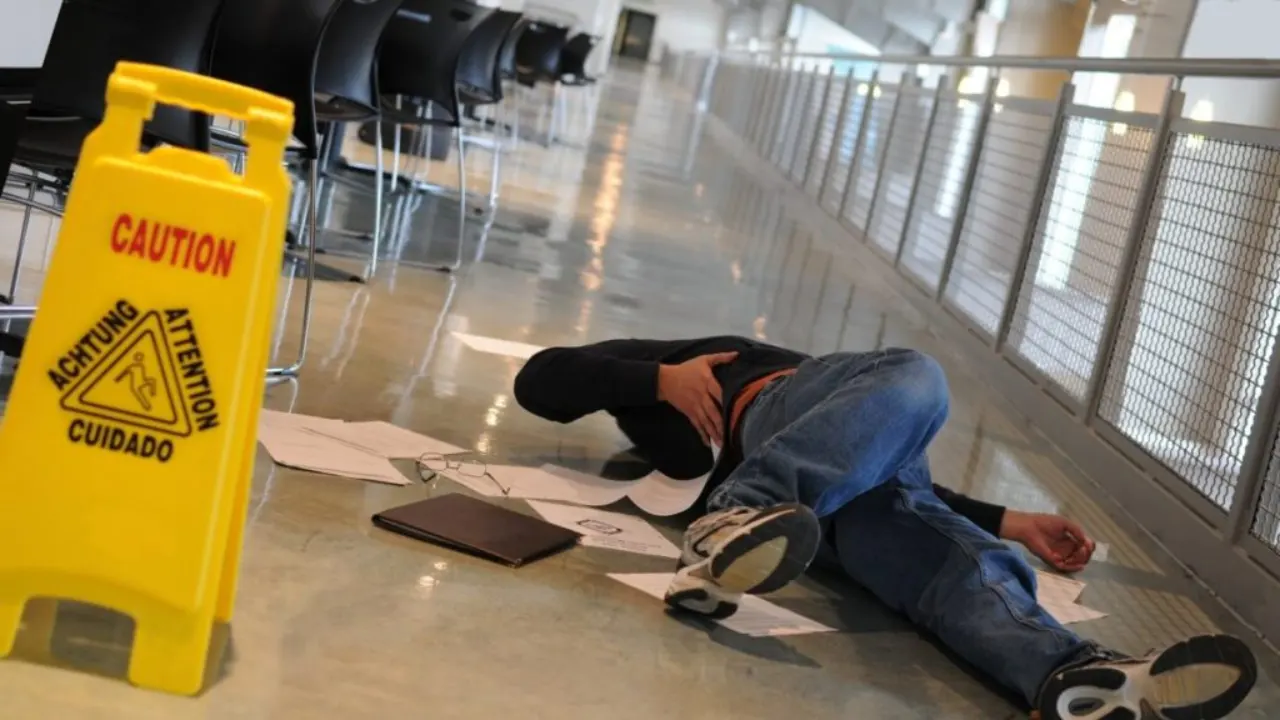
In a slip and fall case, the evidence you gather is what holds everything together. Without it, even serious injuries are difficult to prove in court. What you gather and preserve right after the fall shapes how strong your case will be. Salamati Law Attorney has spent years building the evidence that wins cases. Knowing what proof matters most gives you a real advantage before court.
Photographs of the Hazard and Scene
Photos taken right at the scene can be some of the most compelling evidence you will ever have in your case. They capture the exact condition of the property at the moment of the fall. Photos taken right after an accident are far more convincing to judges and juries than a description given later. Floors, lighting, and signage should all be photographed as thoroughly as possible. Discussing your case with attorneys who preserve evidence early makes a real difference. Property owners fix hazards fast, and those conditions need to be documented before anything changes.
Incident Reports Filed at the Scene
An incident report documents exactly where and when your fall occurred. That documentation can matter a lot later. Most businesses are required to file one when someone is injured on their premises. Request a copy of the report before leaving the property whenever possible. The report should accurately reflect the hazard and circumstances surrounding your fall. If the property manager refuses to file, document that refusal and note any witness names. If the property owner won’t hand it over, your attorney can force them to produce it.
Witness Contact Information and Statements
People who saw the fall or knew of the hazard beforehand can provide valuable testimony. Their accounts can confirm the hazard was already there before you ever set foot on the property. Collect names and contact details from witnesses as soon as possible after the fall. Ask them to describe what they saw and take notes on their statements right away. Witness memories fade quickly, so early contact significantly increases the value of their input. Those statements back up your story and make it harder for the other side to dispute it.
Medical Records and Treatment Documentation
Medical records prove your injuries came from that fall, and that link is critical to your claim. Seeking care on the same day strengthens the causal link between the hazard and your harm. ER records, doctor notes, and imaging results all build the case for what happened to you. Follow-up treatment records show how your injuries have affected your life since the fall. Gaps in treatment are often used by defense attorneys to argue injuries were not serious. Keeping up with your medical care creates a paper trail that supports every dollar you’re asking for.
Surveillance Footage From the Property
Security camera footage can capture the fall and the condition of the surrounding area. Many businesses record continuously, but footage is typically overwritten within days or weeks. Sending a preservation letter to the property owner soon after a fall protects this evidence. Your attorney can send a formal notice requiring the property owner to save that footage before it disappears. Surveillance video showing a hazard that existed for a long period is especially powerful. That footage makes it much harder for the property owner to deny responsibility.
What you document in the hours after a fall can make or break your case. The faster you act, the more your attorney has to work with. California law looks hard at what the property owner knew and when they knew it. The more thoroughly you document the hazard, the fall, and your injuries, the harder your claim is to dismiss. Every piece of evidence fills in part of the story. That is how you build a case worth taking seriously.
University of Houston graduate with 5 years of blogging experience, excelling in content strategy, SEO, and audience engagement. Connect with me on LinkedIn.