
General
From Wax to Wonder: Exploring the Art of Candle Making

Key Takeaways:
- Candle making blends creativity, mindfulness, and hands-on skill.
- Selecting the right materials and adhering to safe practices ensures high-quality results.
- Modern techniques and eco-friendly materials expand creative possibilities.
- Community involvement enhances learning and inspiration.
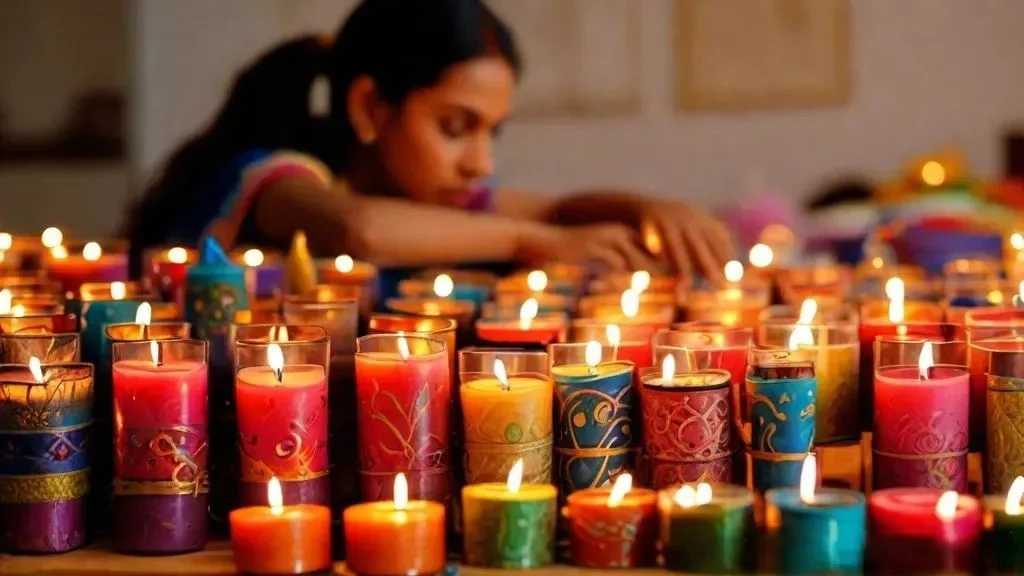
Candle making is an ancient craft that blends creativity, patience, and a touch of science. From selecting the perfect wax to choosing complementary scents and colors, the process invites a hands-on exploration of both art and technique. Beyond their practical use, candles carry a symbolic weight—casting light in darkness, setting a calming ambiance, or marking special occasions. Engaging in this craft offers a mindful, tactile experience, allowing individuals to connect with the rhythm of creation while expressing their unique personal style.
For beginners and seasoned crafters alike, a structured approach can make the process more approachable. Tools and guided materials, such as a DIY candle making kit from Inluro, offer all the essentials to explore forms, textures, and fragrances, promoting experimentation without causing overwhelm. Through careful attention and creativity, candle making transforms simple materials into luminous pieces of art that brighten spaces and spark inspiration.
The Historical Glow of Candle Making
The story of candle making spans the ages, beginning with ancient civilizations that molded tallow and beeswax into the earliest forms of illumination. In Rome and China, candles became essential tools for both domestic and ceremonial uses. The 18th and 19th centuries saw innovation with the advent of spermaceti and stearin, which improved brightness and longevity. This ongoing evolution not only chronicled the pursuit of better light sources but also mirrored humanity’s desire for beauty and ritual in everyday life.
Essential Materials and Tools
- Wax: The core ingredient, with options such as paraffin, soy, beeswax, and palm wax. Each wax produces distinct characteristics in terms of burn quality, scent retention, and eco-friendliness.
- Wicks: Available in various sizes and compositions, wicks ensure a steady, even flame. The proper wick is crucial for safe, clean burning.
- Fragrances and Dyes: Essential oils and specialized colorants allow crafters to personalize each candle with unique scents and hues.
- Containers and Molds: From rustic glass jars to elegant silicone molds, the vessel shapes the aesthetic of the finished product.
The Candle Crafting Process
1. Melting the Wax
Begin by gently heating your chosen wax using a double boiler or a heat-safe melting pot. Maintaining a consistent temperature is crucial to avoid scorching or air bubbles.
2. Adding Fragrance and Color
Once the wax reaches a smooth, liquid state, introduce your selected fragrance oils and dyes. Stir thoroughly to achieve an even distribution of scent and color throughout the wax.
3. Preparing the Wick
Fix the wick at the center of your chosen mold or container. Wick holders or adhesive tabs can help keep it upright and stable during the pouring process.
4. Pouring the Wax
Carefully pour the prepared wax into the mold, leaving a small space at the top to prevent overflow. Steady hands and patience help ensure a smooth, seamless finish.
5. Curing
Allow the candle to cool and harden in a draft-free location. Depending on its size, curing may take several hours to a full day. Patience here will ensure a smooth, long-lasting candle.
Innovations in Candle Making
Today, candle making continues to inspire new methods and extraordinary styles. Modern artisans have adopted innovative processes, such as pouring wax underwater and manipulating shapes and textures in mesmerizing ways. These techniques yield intricately textured, eye-catching candles that become instant conversation pieces—illustrating how creativity continually transforms tradition.
Environmental Considerations
A renewed focus on sustainability leads many makers to opt for soy or beeswax, both of which are renewable and biodegradable. Cotton or wooden wicks further reduce a candle’s environmental footprint, as does reusing containers and choosing recyclable packaging. With growing awareness around eco-friendly crafting, sourcing certified sustainable ingredients, and upcycling packaging has become commonplace among responsible makers.
Health and Safety Tips
Adhering to safety practices is critical when crafting candles. Always work in a well-ventilated area and use a double boiler setup to heat the wax gently. Monitor the temperature with a thermometer to avoid the dangers of overheating. Keep your workspace free of clutter and flammable materials, and store a fire extinguisher nearby for emergencies. Protect your hands and eyes by wearing heat-resistant gloves and goggles, especially when handling hot wax or scent oils.
Joining the Candle Making Community
Being part of a creative community magnifies the joys of candle making. Local workshops and studios provide hands-on instruction, collaboration, and opportunities to learn from experienced artisans. Online forums and candle-making groups on social media further enable crafters to trade advice, solve challenges, and celebrate successes, creating a welcoming space for continuous learning.
Conclusion
Candle making stands as a harmonious blend of tradition, creativity, and mindfulness. The process transforms simple materials into objects of beauty that light up rooms and lives. As a hobby or small business, it offers endless possibilities for self-expression, sustainability, and connection. By diving into this ancient yet modern craft, you open the door to a pastime rich with personal satisfaction and creative rewards.