
General
Stainless Steel Pipe Suppliers and Nickel Alloy Bar

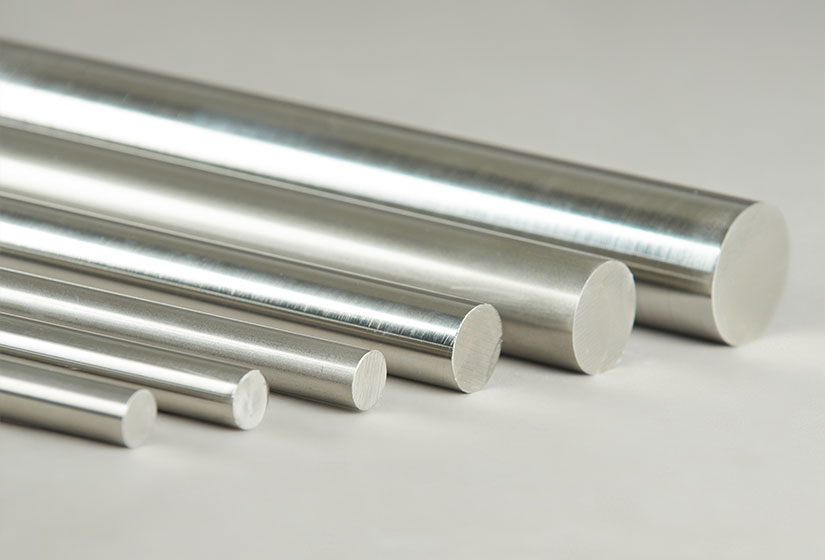
In modern industry, metal components play a foundational role across sectors such as oil and gas, petrochemical, construction, power generation, chemical processing, shipbuilding, and infrastructure. Among these, stainless steel pipe suppliers and nickel alloy bars stand out for their performance in corrosive environments, high temperatures, and critical load-bearing applications.
This article explores both categories in detail — what they are, specifications, manufacturing processes, global supplier landscape, market drivers, quality standards, and selection tips for engineers and procurement professionals.
Stainless Steel Pipe Suppliers: An In-Depth Overview
What Are Stainless Steel Pipes?
Stainless steel pipes are cylindrical metal tubes fabricated from stainless steel grades designed for strength, durability, and corrosion resistance. These pipes transport liquids, gases, slurries, and are used structurally in industrial installations and next-generation infrastructure.
Key properties include:
- Corrosion Resistance — Resists rust and oxidizing environments
- High Strength — Sustains pressure and mechanical stress
- Thermal Stability — Performs in extreme temperatures
- Hygiene — Clean surface for food and pharmaceutical uses
- Longevity — Low maintenance life cycle costs
Common Stainless Steel Grades & Their Uses
| Grade | Composition | Typical Applications |
| 304 | Chromium–Nickel | Food processing, general piping |
| 316 | Chromium–Nickel–Molybdenum | Chemical, marine environments |
| 310S | High Chromium–Nickel | High temp furnaces, heat exchangers |
| 321 | Titanium stabilized | Aerospace, high temp services |
| 904L | Super austenitic | Chemical processing |
304 & 316 are the widely used grades due to balanced performance and cost.
Manufacturing & Production Standards
Manufacturing Processes
- Seamless Pipes: No welded seam; high integrity, used for high-pressure systems.
- Welded Pipes: Made by rolling and welding plate/coil; cost-effective for low to mid-pressure applications.
International Standards
Industry standards ensure quality and interchangeability:
- ASTM (American Society for Testing and Materials) – e.g., ASTM A312, A358
- ASME (Boiler & Pressure Vessel Code) – Section II and VIII
- EN / DIN (European Norms)
- JIS (Japan Industrial Standards)
- ISO certifications — Quality & management systems
Suppliers must meet consistent dimensional tolerances, mechanical properties, and certification documentation.
Leading Stainless Steel Pipe Supplier Markets
Global Hubs
- China — Major exporter with broad SKU ranges
- EU / Germany — Precision engineering and specialty products
- Japan / Korea — High-end alloys & quality control
- USA — Integrated supply chains for oil & gas sectors
Types of Suppliers
- Trading Companies — Wide stock, flexible quantities
- Primary Mill Producers — Direct manufacture, bulk orders
- Fabricators / Processors — Cut-to-length, threading, fittings
- Distributors / Stockists — Fast delivery and small batch supply
Choosing the Right Supplier
Selection Criteria
- Material Certification — MTRs (Mill Test Reports)
- Inventory Availability
- Technical Support & Traceability
- Lead Time & Logistics
- After-sales Service
- Price Competitiveness
Quality Assurance
Ensure supplier provides:
- Chemical & mechanical test reports
- NDT (Non-destructive testing) results
- Third-party inspection if required
Nickel Alloy Bar: Properties, Uses & Markets
2.1 What is a Nickel Alloy Bar?
A nickel alloy bar is a long cylindrical metal product composed primarily of nickel mixed with elements like chromium, molybdenum, iron, and copper. These alloy bars serve as feedstock for machining, forging, and manufacturing high-performance parts.
They are known for:
- Superior corrosion resistance
- High temperature strength
- Oxidation resistance
- Mechanical stability
2.2 Common Nickel Alloy Types
| Alloy | Key Traits | Primary Applications |
| Inconel® (e.g., 625, 718) | High strength at extreme temps | Aerospace, turbines |
| Monel® (e.g., 400, K500) | Excellent resistance to seawater corrosion | Marine, valves |
| Hastelloy® (e.g., C276) | Outstanding chemical corrosion resistance | Chemical reactors |
| Nickel 200/201 | Pure nickel base | Electronics, chemical equipment |
| Nimonic® | High creep resistance | Jet engines |
Note: Many nickel alloys are proprietary and trademarked (e.g., Inconel, Hastelloy).
2.3 Specifications & Standards for Bar Products
Forms
- Round Bars
- Hex, Square, Flat Bars
- Forged / Extruded Bars
Standards
Common mechanical and dimensional standards include:
- ASTM B160 / B166 / B206
- AMS (Aerospace Material Specifications)
- DIN / EN industrial bar specifications
Nickel alloy bars are supplied in various conditions: annealed, normalized, or solution treated for machinability.
2.4 Applications Across Industries
- Aerospace & Defense
- Jet engine components
- High-temperature fasteners
- Oil & Gas
- Downhole tools
- Valve bodies, flanges
- Chemical Processing
- Reactor internals
- Heat exchangers
- Marine Engineering
- Propeller shafts
- Pump parts
- Power Generation
- Gas turbine machinery
- Nuclear components
Supplier Landscape: Stainless Steel Pipes & Nickel Alloy Bars
3.1 Types of Sellers
| Supplier Type | Advantages |
| Primary Mills | Bulk capacity, price advantage |
| Distributors | Smaller orders, faster lead times |
| Fabricators | Customized product readiness |
| Trading Houses | International sourcing, flexible |
3.2 Global Markets
- Asia Pacific — Major production and export hub
- North America & Europe — High-quality standards and advanced alloys
- Middle East — Growing demand from energy sector
3.3 Documentation Expectations
Suppliers should typically provide:
- Material test certificates (MTC/3.1/3.2)
- Quality assurance plans
- Traceability to heat number
- Packing lists and customs documentation
How to Procure Effectively
4.1 Understanding Requirements
Before sourcing, clarify:
- Grade & specification
- Size, schedule (for pipes), bar dimensions
- Quantity & delivery schedule
- Special processing needs (threading, cutting, heat treatment)
4.2 Quality & Compliance
- Request MTRs aligned with ASTM/EN standards
- Conduct onsite or third-party inspection for critical projects
4.3 Cost Optimization
Factors influencing price:
- Raw material cost fluctuations (nickel/steel market prices)
- Alloy complexity
- Supplier location & logistics
- Quantity and long-term contracts
Future Trends in Metals Supply
- Digital Procurement Platforms
- Real-time pricing
- Traceable supply chains
- Sustainability & Recycling
- Recycled content in stainless steel
- Lifecycle cost analysis
- Advanced Alloys
- New high-performance nickel alloys for extreme environments
Challenges in the Stainless Steel Pipe and Nickel Alloy Bar Market
Despite strong global demand, the stainless steel and nickel alloy industry faces several operational and commercial challenges that buyers and suppliers must navigate carefully.
Raw Material Price Volatility
Nickel, chromium, and molybdenum prices fluctuate based on global mining output, geopolitical conditions, and demand from sectors such as electric vehicles and energy. These fluctuations directly impact:
- Stainless steel pipe pricing
- Nickel alloy bar manufacturing costs
- Long-term contract stability
Procurement teams often mitigate this risk through indexed pricing or long-term supplier agreements.
Supply Chain Disruptions
Global supply chains are influenced by:
- Shipping delays
- Port congestion
- Trade tariffs and export regulations
- Environmental compliance policies
Reliable suppliers maintain buffer stocks, diversified sourcing, and strong logistics partnerships to ensure timely delivery.
6.3 Technical Complexity
Nickel alloy bars require precise metallurgical control. Improper heat treatment or chemical composition can lead to:
- Reduced corrosion resistance
- Premature material failure
- Costly rework or downtime
This makes supplier expertise and certification especially critical for aerospace, nuclear, and chemical sectors.
Conclusion
Stainless steel pipe suppliers and nickel alloy bar manufacturers are critical enablers in global industrial infrastructure. Choosing the right materials and suppliers requires clear technical specifications, quality assurance, and market insight. Understanding grades, standards, production processes, and supplier capabilities helps engineers and buyers optimize performance, cost, and reliability across demanding applications.