
General
Digital Printing Trends Shaping the Future of Business Communication

Key Takeaways
- Advancements in digital printing technology are enhancing speed, quality, and versatility.
- Personalization through Variable Data Printing (VDP) is increasing customer engagement.
- Integration of print and digital media is creating more interactive and measurable marketing campaigns.
- Sustainable printing practices are becoming a priority for environmentally conscious businesses.
In an increasingly competitive marketplace, businesses must find ways to differentiate themselves and connect with their audiences quickly and effectively. Clear, consistent messaging helps build brand recognition, credibility, and customer trust across all touchpoints. Leveraging the right communication tools can make the difference between being noticed and being overlooked. In today’s fast-paced business environment, effective communication is paramount. Digital printing, such as MidAmerican Printing Systems Digital Printing Services Chicago, has emerged as a transformative force, enabling companies to convey their messages more efficiently and engagingly. MidAmerican Printing Systems, a G7-certified commercial printer based in Chicago, offers comprehensive digital printing services tailored to meet the diverse needs of businesses. Their expertise spans from high-quality offset and litho printing to advanced digital solutions, making them a trusted partner for businesses seeking impactful communication materials.
Advancements in Digital Printing Technology
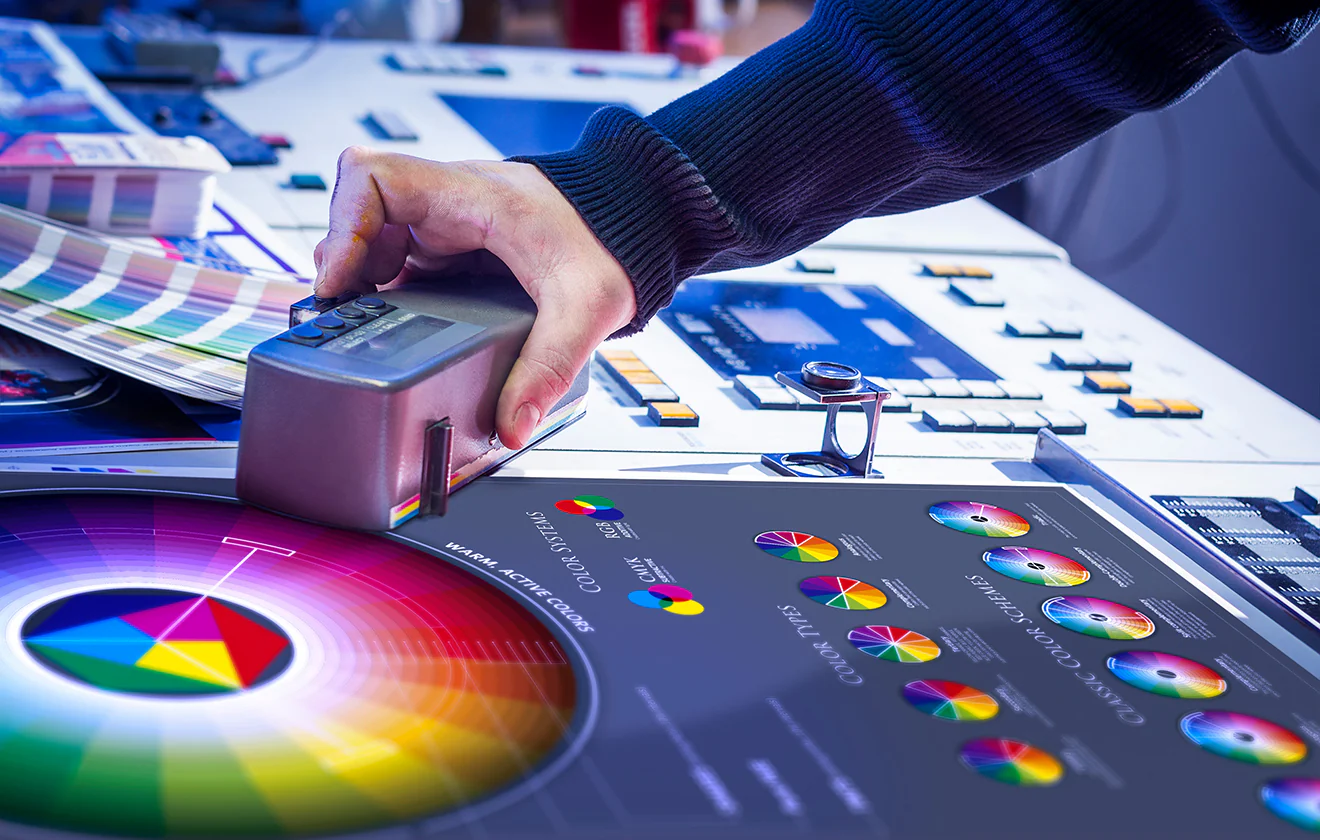
Recent developments in digital printing have significantly improved the speed and quality of printed materials. High-speed inkjet presses now rival traditional offset printing in both quality and cost-effectiveness, making them suitable for medium-length print runs. Additionally, technologies like nanographic printing enable printing on diverse substrates with minimal ink usage, resulting in cost reductions of up to 30% compared to conventional methods. UV LED curing systems have also become the standard, offering instant drying and energy savings of approximately 60% compared to traditional UV setups. These innovations enable businesses to produce high-quality materials quickly and efficiently.
Personalization Through Variable Data Printing
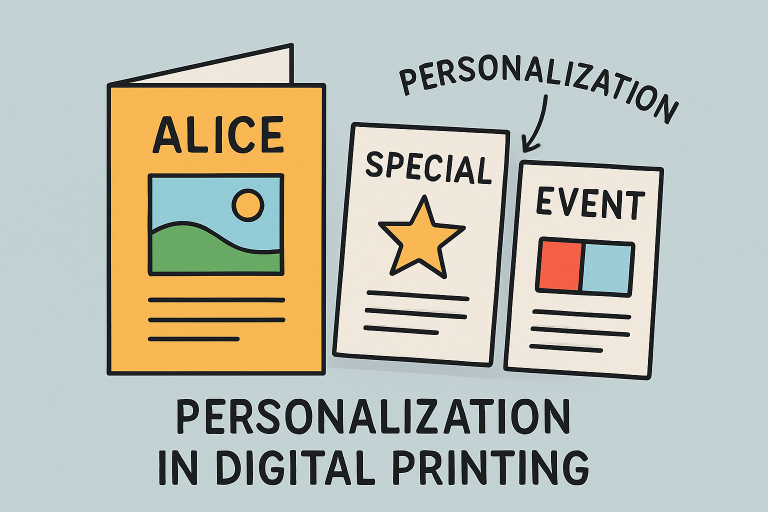
Variable Data Printing (VDP) has revolutionized how businesses approach customer engagement. By leveraging customer data, companies can create personalized marketing materials that resonate with individual recipients. This level of customization has been shown to boost response rates by 30-50%, as customized content is more likely to capture attention and drive action. VDP is particularly effective in direct mail campaigns, where tailored messages can significantly enhance the impact of the communication.
Integration of Print and Digital Media
The convergence of print and digital media is giving rise to more dynamic and interactive marketing campaigns. By incorporating elements such as QR codes, personalized URLs (PURLs), and augmented reality (AR) into printed materials, businesses can bridge the gap between physical and digital experiences. This integration not only enhances engagement but also provides measurable data on customer interactions, allowing for more informed marketing strategies. A 2024 report revealed that 91% of marketers integrate print with digital channels, with 51% describing their campaigns as closely coordinated.
Sustainable Printing Practices
As environmental concerns continue to rise, businesses are adopting sustainable printing practices to reduce their ecological footprint. This includes using recycled paper, soy-based inks, and energy-efficient printers. The global sustainable printing market is projected to grow at a compound annual growth rate (CAGR) of 7.5% from 2024 to 2030, reflecting the increasing demand for eco-friendly solutions. By prioritizing sustainability, companies not only contribute to environmental conservation but also appeal to environmentally conscious consumers.
On-Demand Printing and Short Runs
The flexibility offered by digital printing has made short-run and on-demand printing more accessible and cost-effective. Businesses can now produce materials in smaller quantities, thereby reducing waste and enabling more frequent updates to content. This agility is particularly beneficial for companies that need to respond quickly to market changes or tailor their messaging to specific audiences. On-demand printing also supports the trend towards personalization, as it enables the production of customized materials without the need for large print runs.
Artificial Intelligence and Automation
Artificial Intelligence (AI) is playing an increasingly significant role in the printing industry. AI-driven workflow systems can manage the entire print process, from file submission to final output, reducing errors and increasing efficiency. Predictive maintenance powered by AI helps identify potential equipment issues before they cause downtime, ensuring continuous operation. Additionally, AI can analyze customer data to optimize print campaigns, enhancing targeting and personalization efforts.
Enhanced Security Measures
As printing processes become increasingly digital, safeguarding sensitive information has emerged as a top priority for businesses. To address these risks, organizations are adopting robust security measures, including user authentication systems, encrypted data transmission, and secure release printing protocols. These strategies ensure that only authorized personnel can access documents, while data remains protected from interception or misuse during transfer and printing. By integrating these safeguards into their workflows, companies not only reduce the likelihood of breaches but also maintain compliance with privacy regulations, fostering trust and confidence in the secure handling of confidential information throughout every stage of the printing process.
Conclusion
Digital printing is rapidly advancing, providing businesses with powerful tools to elevate their communication and marketing strategies. Modern technologies enable high levels of personalization, seamless integration with digital platforms, on-demand production, and environmentally conscious practices, allowing companies to respond quickly to market needs while minimizing waste. The incorporation of AI and enhanced security measures further strengthens efficiency and content protection. By staying aware of these trends and embracing innovative digital printing solutions, businesses can craft materials that captivate audiences, deliver clear and impactful messages, and maximize engagement, ultimately ensuring their communications remain relevant and effective in a competitive landscape.