
Home Improvement
Film, Glass or Polycarbonate? How to Choose the Right Covering for a Commercial Greenhouse

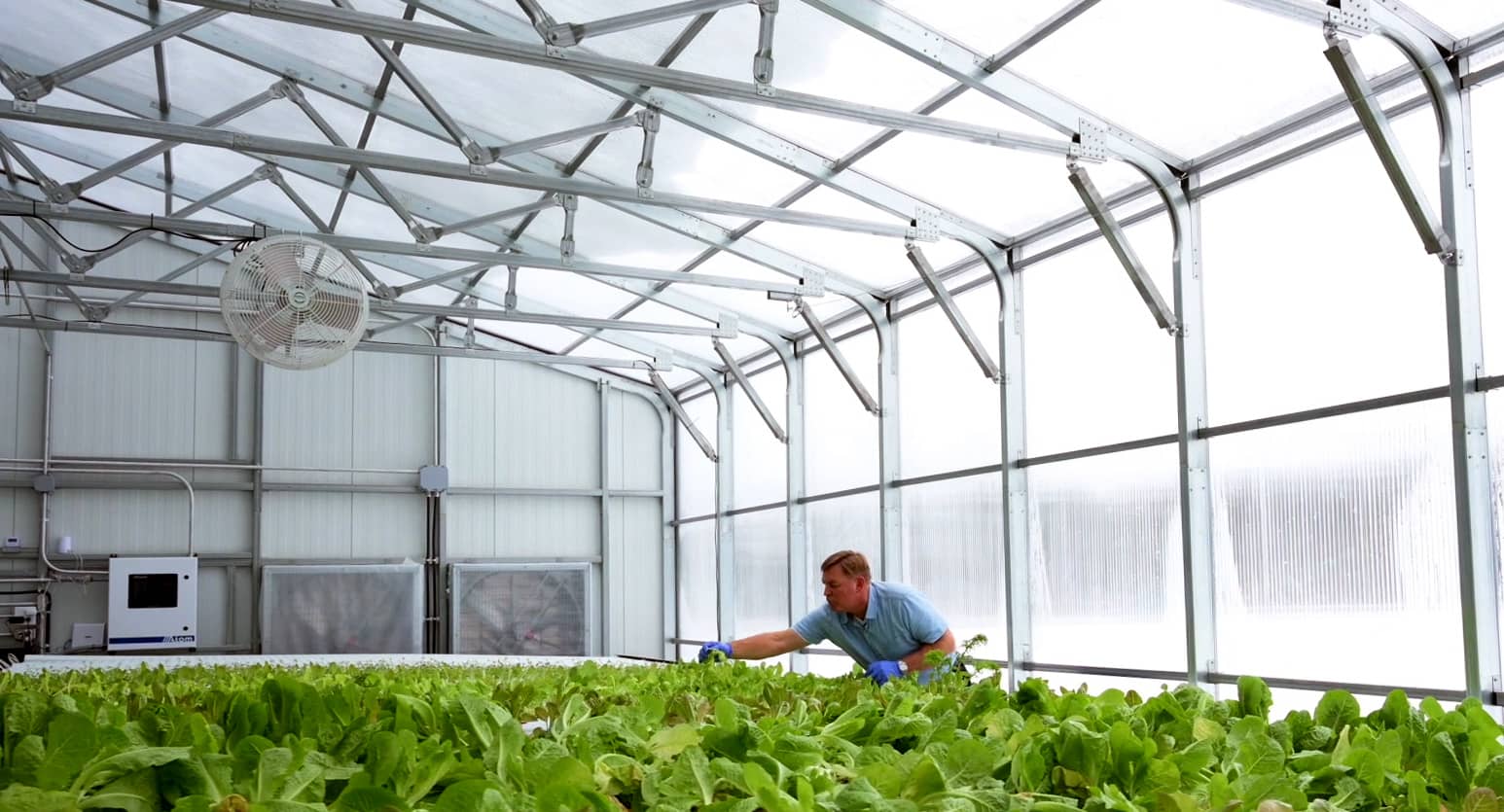
When growers plan a new greenhouse, the conversation usually starts with size and crop. The covering tends to come later, almost as an afterthought. That is a mistake, because the covering shapes light levels, heat retention, running costs and how long the structure stays productive. It also affects the structural design, since a heavy glass roof needs a different frame than a lightweight film.
The three most common options for commercial growing are plastic film, glass and polycarbonate sheet. None of them is “best” in every situation. The right choice depends on your crop, your climate and your budget.
Plastic Film: The Low-Cost Starting Point
Film is the most affordable covering and the most widely used for large production areas. It goes over a steel frame quickly, and it is the usual choice for vegetables, seedlings and flowers grown across many hectares. Single-layer film keeps costs down, while a double layer with an air gap improves insulation in cooler regions.
Strengths: lowest upfront cost, light weight, fast installation, flexible options for ventilation and shading.
Trade-offs: film ages in sunlight and has to be replaced periodically, and it insulates less than rigid coverings unless you use a double layer.
Film suits growers moving from open-field production into protected cultivation, and projects where keeping capital cost low matters most. It pairs especially well with gutter-connected layouts, where many bays share one roof system.
Glass: Maximum Light for Long-Term Installations
Glass lets in a great deal of light and keeps its clarity for years. That makes it a natural fit for high-value crops and for operations that plan to run the same structure for a long time. Tempered or diffused glass can be specified depending on how much light scatter you want inside the canopy.
Strengths: excellent light transmission, long service life, a premium look and feel.
Trade-offs: higher upfront cost, more weight (so a stronger frame and foundations), and more careful installation.
Glass makes the most sense when the crop’s value justifies the investment and you are planning for the long term rather than the next two or three seasons.
Polycarbonate: The Rigid, Insulating Middle Ground
Polycarbonate sheet sits between film and glass. It is rigid, it insulates better than single film, and it resists impact well. Multiwall sheets trap air in their channels, which helps hold heat in colder weather. Sheet thickness is a real design variable, and thicker sheet generally gives better insulation at higher cost.
Strengths: good insulation, impact resistance, a durable rigid cover without the weight of glass.
Trade-offs: costs more than film, and light transmission is typically lower than clear glass.
A reinforced frame and automatic roof ventilation are common additions, and polycarbonate works well in sawtooth and other vented layouts.
Match the Covering to the Crop and the Climate
A few practical pointers:
- Hot regions: prioritize ventilation. Layouts with stepped roof vents let hot air escape, and shading systems cut heat and light when the sun is strong.
- Cold regions: prioritize insulation. Double-layer film, polycarbonate and thermal screens all help hold the minimum temperature.
- Berries and humidity-sensitive crops: protection from rain and control of humidity matter as much as the covering itself.
- Tall vine crops such as tomatoes: headroom, strong light and ventilation should drive the structure and covering choice together.
Don’t Choose the Covering in Isolation
A greenhouse works only when the structure, the covering and the climate systems are matched to the site. Wind and snow loads decide how strong the frame must be. Humidity and temperature range decide what ventilation, cooling or heating you need. This is why many growers prefer to work with a single commercial greenhouse manufacturer and turnkey supplier that handles design, manufacturing and installation, so these decisions are made together instead of being split between several vendors.
If you want to compare structure types side by side before you decide, the range of film, glass and polycarbonate greenhouse designs is a useful place to start.
Questions to Ask Before You Buy
- What is my crop, and what light, temperature and humidity does it need?
- What are the local wind, snow and temperature extremes?
- How long do I expect to use this structure?
- What is my upfront budget compared with my long-term running cost?
- Which climate systems (ventilation, cooling, shading, heating, irrigation) do I need alongside the covering?
- Will the supplier install on site, or guide my crew remotely?
Having clear answers to these makes any supplier conversation faster and the quotation more accurate. A site location, a crop and an approximate planting area are usually enough to get a first recommendation.
The Bottom Line
Film wins on cost, glass wins on light and longevity, and polycarbonate offers rigid, insulating durability in between. The best covering is the one that fits your crop, your climate and your budget, and that is designed together with the frame and climate systems rather than chosen alone.