NEWS
Elevating Leadership Presence: The Role of Personal Style in Professional Success


In the competitive world of modern business, a leader’s presence is about more than just boardroom decisions or well-crafted emails. How a leader is perceived often has as much to do with their personal style as with their track record of deliverables and successes. From the moment someone walks into a meeting or appears on a video call, judgments are formed, and assumptions are made, sometimes within mere seconds. Attention to personal style shapes those first impressions, fosters authentic connections, and signals authority to peers, subordinates, and even clients. As leaders cultivate their presence, refining personal style becomes a powerful lever for boosting both individual impact and organizational cohesion. For those looking to enhance their first impression and influence, taking cues from professionals such as Brandi Hearn can provide inspiration and clarity on using personal style as a cornerstone of professional success. By prioritizing style, leaders create an immediate sense of confidence and credibility that resonates throughout the organization.
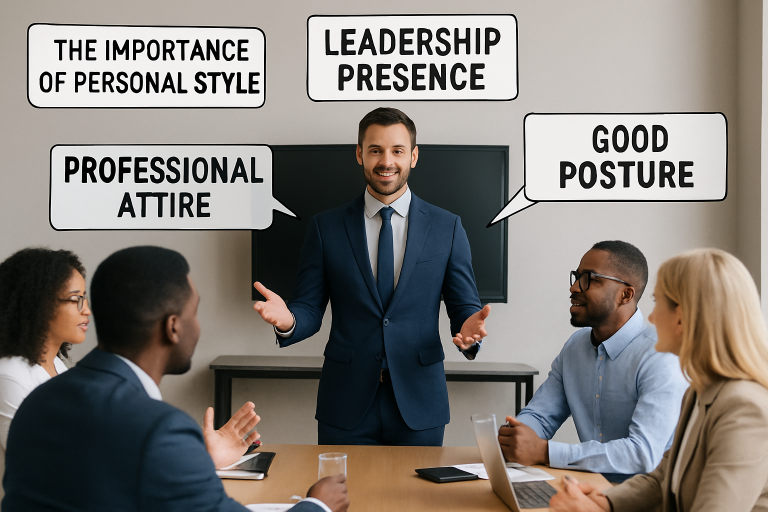
The intersection of leadership and style offers significant advantages that extend beyond mere appearance. Leaders who curate their wardrobe, grooming, accessories, and posture effectively can communicate confidence and vision and foster trust among their teams. This visual messaging is crucial in engaging diverse stakeholders, managing crises, and navigating negotiations. Emphasizing appearance does not equate to valuing form over substance; rather, it enhances credibility and relationships, demonstrating that style and substance should work together to shape an inspiring leadership presence.
Understanding the Impact of Personal Style
Personal style goes beyond simply complying with dress codes or following fleeting trends. It represents a synthesis of identity, values, and professionalism at a glance. For those in leadership positions, every detail counts. A distinctive yet appropriate personal style can accomplish several key objectives:
- Establish Credibility: Attire that aligns with one’s industry and setting speaks to one’s expertise and attention to detail, showing colleagues and stakeholders that standards matter. Consistency in appearance suggests reliability and fosters a sense of predictability, traits valued in senior leadership roles.
- Enhance Approachability: Choosing a relatable, intentional style can bridge gaps between leaders and their teams, encouraging open communication and initiative. Employees or clients who feel at ease with a leader’s appearance are more likely to engage, share feedback, and participate actively in collaborative work.
- Reinforce Brand Identity: A leader’s personal image becomes intertwined with the organization’s reputation, adding coherence and clarity to the brand’s visual narrative. Consistent style choices can help ensure alignment between individual and corporate values, reinforcing desired perceptions both internally and externally.
Making wise personal style choices signals self-awareness and a respect for those you interact with. Whether launching a new initiative or guiding teams through change, leaders benefit when their appearance reinforces their message and mission. A well-developed style also helps build trust, which is essential for effective leadership. When authenticity is at the core of a leader’s visual presence, it encourages others to do the same, paving the way for a more inclusive and dynamic workplace culture. Ultimately, taking ownership of personal presentation can create lasting impressions that complement a leader’s decision-making strength and vision.
Key Elements of Leadership Style
Building a resonant leadership presence requires more than flashy accessories or the latest designs. Several fundamental building blocks underpin an effective, professional style strategy:
- Fit and Comfort: Clothes that fit well ensure ease of movement and exude confidence. Ill-fitting attire can be distracting and undermine a leader’s authority. Well-tailored clothing enhances appearance and promotes confidence, while comfortable fabrics allow leaders to maintain poise throughout long meetings or public events.
- Color Psychology: Colors silently communicate intent and energy. Blue promotes trust and dependability, while red projects power and decisiveness. Selecting the right tones can align appearance with leadership goals or the mood of key engagements. Understanding color psychology helps leaders tailor outfits to suit various work scenarios or emotional climates. For more on this topic, visit Psychology Today’s guide on color psychology.
- Quality Over Quantity: Investing in a few high-quality pieces rather than maintaining an overflowing closet conveys discernment and reliability. Quality garments not only look more polished but also last longer, aligning with principles of sustainability and mindful consumption.
Attention to these elements ensures personal style remains authentic, effective, and sustainable, qualities that deeply influence professional presence. Leaders who consistently invest time in refining these areas tend to gain more respect, leading by example not just through words, but also through action and appearance.
Adapting to Changing Environments
As industries shift and office cultures evolve, so too should the personal style of effective leaders. Remaining adaptable demonstrates a willingness to learn and stay relevant in new contexts, which is critical for long-term leadership effectiveness. This does not mean chasing every trend, but it does require periodic reassessment. Leaders who are attuned to contemporary expectations, such as relaxed dress codes, hybrid work arrangements,
or cultural diversity, signal agility, a necessary trait for driving innovation and motivating diverse teams. Adapting thoughtfully also shows respect for workplace cultural changes, which can affect everything from formal dress codes to remote work attire. Leaders who handle this with confidence and authenticity inspire trust and loyalty among their teams, modeling professionalism and forward thinking even as conditions change. The ability to pivot seamlessly from formal boardroom settings to virtual meetings is, in itself, a modern leadership skill.
Seeking Professional Guidance
For many established professionals and emerging leaders, translating personal identity into a consistent yet flexible visual presentation can be challenging. This is where working with a personal stylist or image consultant becomes valuable. Experts can offer tailored advice that aligns with leadership aspirations and organizational culture, helping to refine an individual’s wardrobe and overall presence. Consulting with an experienced professional is not just for public figures; it is increasingly viewed as a wise investment for any leader who wants to maximize their impact. Stylists can recommend looks for specific business situations, assist with wardrobe editing, and introduce clients to brands or designers that mirror their personal ethos. More information on the benefits of professional image consulting can be found at Forbes. In today’s branded world, leaders who enlist such guidance do so not out of vanity but as a strategic investment to support their unique vision and objectives. As leadership expectations evolve, leveraging external expertise can be the difference between a forgettable presence and a memorable one.
Conclusion
Deliberate attention to personal style is a strategic extension of leadership development, not a distraction from it. By focusing on authenticity, quality, and adaptability, leaders can wield personal style as a form of influence that reinforces their authority and effectiveness. This empowers them to lead with greater assurance and to leave a positive, lasting impression on both teams and stakeholders. Leaders who recognize and embrace the role of personal style unlock an often-overlooked asset, one that differentiates them in the marketplace and strengthens their organizations from the inside out. A sophisticated style approach, fused with strong character and vision, ensures leaders are seen, respected, and remembered for the qualities that matter most.
The Hear UP is a leading technology publication house. Our origin dates back to 2016 as a small forum for technology enthusiasts. Since then, The Hear UP has transformed into a trusted source for emerging tech and science news.
The majority of our news is provided by staff writers. Other news is provided by news agencies and freelancers.
All of our contributors are members of the Society of Professional Journalists.
If you need to contact a news editor from The Hear UP you can find a list of email addresses on our contact page.
Our Organisation
The Hear UP