
Home Improvement
What to Expect During a Professional Roof Inspection

Key Takeaways:
- Professional roof inspections are crucial for extending the lifespan of your roof and preventing costly future repairs.
- The inspection process involves an initial consultation, thorough exterior and interior assessments, and a comprehensive report.
- Identifying common roof issues early can save homeowners significant time and money.
- Regularly scheduled inspections are recommended, especially after severe weather or before real estate transactions.
Regular roof inspections protect your home’s value, safety, and comfort. These inspections help identify visible and hidden problems, ensuring your roof’s structure and materials can withstand the elements year-round. Whether you’re a first-time homeowner or have lived in your home for decades, understanding what to expect during a professional inspection empowers you to make informed decisions about repairs, maintenance, and property investment. Connecting with a reputable roofing company Wheat Ridge provides confidence and expert support. Experienced professionals can spot early signs of damage that homeowners might overlook, helping to prevent costly future repairs. Routine inspections also ensure your roof stays compliant with insurance and warranty requirements.
Initial Consultation
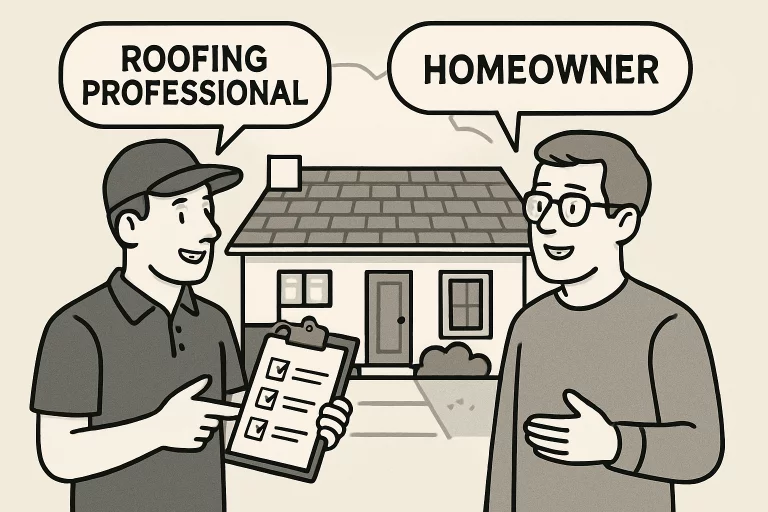
The initial consultation is crucial in the roof inspection, allowing the roofing professional to understand your home’s unique history and needs. The inspector will ask detailed questions about concerns like leaks, drafts, and storm damage and gather background information like roof age, materials, previous repairs, and weather exposure. This helps the inspector tailor their approach, focusing on areas more likely to develop issues based on your roof’s material, design, and maintenance history.
Exterior Inspection
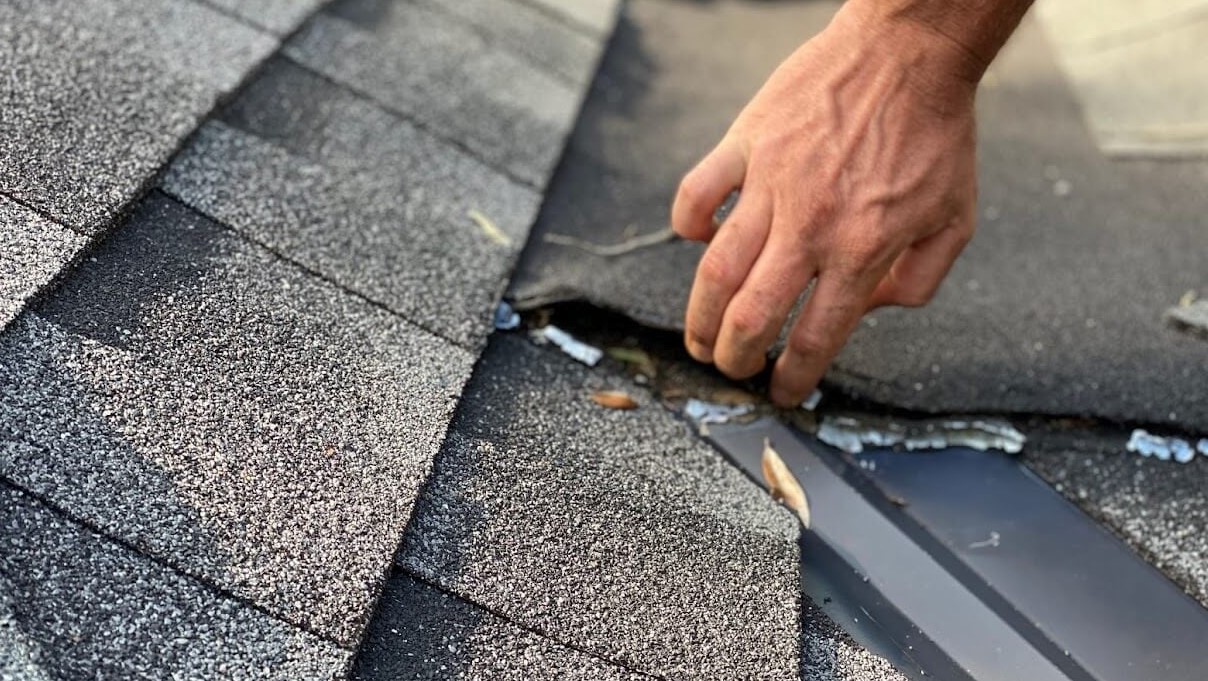
A roofing professional will thoroughly inspect your roof’s exterior surfaces after a consultation. They will check for missing, cracked, or curling shingles, damaged flashing, clogged or damaged gutters and downspouts, signs of moss, algae, or mold growth, and granule loss on asphalt shingles. These issues expose the underlayment and decking to water, pests, and wind, increasing the risk of leaks and internal damage. The inspection also checks for corrosion or rust on metal roofing components. The inspection accurately assesses your roof’s ability to resist future storms and identifies any issues needing immediate attention.
Interior Inspection
A professional roof inspection thoroughly examines the interior, including the attic and upper ceilings. The inspector will identify water stains, leaks, mold, and mildew, which can lead to further damage to insulation, drywall, and electrical systems. They will also ensure proper insulation and ventilation in the attic, which helps regulate attic temperature, prevent heat buildup, and reduce the risk of ice dams. Additionally, the inspector will examine structural issues like warped or damaged beams, which can indicate deeper problems. Early detection of these issues can help plan repairs before major issues develop. Addressing insulation or ventilation issues early can prevent larger and more costly problems in the future.
Documentation and Reporting
Throughout the inspection, the roofing professional will document their findings with meticulous notes, photographs, and sometimes even video. This thorough documentation process allows you to clearly understand where your roof stands and what actions, if any, are necessary. After concluding the physical inspection, you’ll receive a written, organized report detailing:
- The overall health and structural integrity of your roof
- Any damaged, missing, or deteriorating components
- Urgent repairs that must be addressed right away
- Recommended future maintenance tasks and timelines
Common Issues Identified
Roof inspections can identify deteriorating shingles, flashing failures, standing water, and structural weaknesses. Shingles can allow water intrusion, threatening the underlying deck and supporting structure. Poorly installed flashing can lead to costly leaks. Standing water, especially on low-slope or flat roofs, can cause premature roof breakdown and interior water damage. Routine inspections can reveal subtle issues before they cause significant structural failure.
When to Schedule an Inspection
Schedule a professional roof inspection to prevent unexpected expenses or major failures. Experts recommend annual inspections in spring or fall, additional checks after severe weather events, pre-purchase or selling inspections for negotiation purposes, and immediate assessments if leaks, visible damage, or unusual noises are found in the home’s upper floors or attic. These strategic evaluations help prevent unexpected expenses and major roofing failures.