
Home Improvement
Transforming Your Outdoor Space: The Benefits of Timely Deck Repair


Key Takeaways
- Timely deck repair ensures a safer, more beautiful, and longer-lasting outdoor living space.
- Recognizing early signs of deck deterioration prevents costly and extensive damage.
- Regular maintenance can increase property value and preserve the integrity of your home.
Introduction
Your deck serves as the centerpiece for outdoor enjoyment, whether it’s hosting summertime barbecues or unwinding after a long day. Decks can transform your yard into a valid extension of your home, but constant exposure to sun, rain, snow, and seasonal changes can take their toll. Proactively repairing your deck isn’t just about looks—it’s about protecting your investment and the safety of everyone who uses it. For homeowners interested in preserving and revitalizing their deck, professional deck repair services Manassas, VA, can help you keep your outdoor space inviting and secure.
Neglecting repair issues can quickly lead to more significant complications, but when identified early, most problems are cost-effective to fix and can extend your deck’s lifespan for years. In this article, you’ll learn how to spot early warning signs of deck deterioration, the numerous benefits of prompt repairs, and best practices for ongoing maintenance.
Recognizing the Signs of Deck Deterioration
Staying vigilant by conducting periodic deck inspections is the first step in avoiding major headaches down the road. Catching early signs of wear and acting quickly helps maintain both the appearance and safety of your outdoor space. According to ABC News, routine checks can reveal issues such as rotting wood, loose fasteners, or structural weaknesses long before they develop into serious hazards. Common indicators include:
- Loose or wobbly boards: Besides presenting a tripping hazard, loose boards may suggest structural deterioration beneath the surface.
- Visible cracks or splinters: These not only impact the aesthetic appeal but can also cause painful injuries to bare feet or hands.
- Discoloration or fading: Persistent exposure to sunlight and moisture can cause wood to fade and promote unsightly staining or mildew growth.
- Unstable railings or steps: Faulty railings pose a significant safety risk, particularly for children or elderly guests; immediate attention is essential.
- Soft or spongy areas: These “soft spots” often signal hidden rot or water damage, which may compromise the entire deck’s integrity.
How to Inspect Your Deck
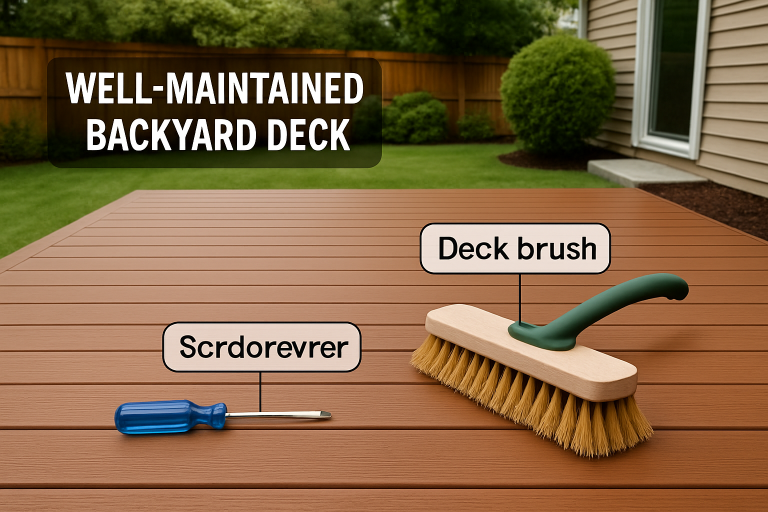
To inspect your deck, use a screwdriver to probe any suspicious areas gently. Look for rusted or protruding fasteners, test the stability of railings and steps, and pay attention to changes in color or texture. Early detection is crucial to avoiding more expensive repairs later on.
Enhancing Safety Through Prompt Repairs
Decks are often the stage for fun gatherings and peaceful retreats, so a safe surface is essential underfoot. Failure to address hazardous conditions such as loose boards, protruding nails, or decayed railings can lead to preventable accidents and injuries. Regular maintenance—and immediate action when issues appear—ensures that you’re providing a safe environment for guests, children, and pets alike.
Addressing potential safety concerns as soon as they arise not only prevents injuries but also lessens the likelihood of liability issues for homeowners. Strong, stable decks mean peace of mind for everyone enjoying your outdoor space.
Boosting Aesthetic Appeal and Property Value
A deck is among the first things visitors and potential buyers notice about your home’s exterior. Regular repairs and upgrades demonstrate your commitment to home maintenance, signaling to others that your property is well-maintained. For homeowners considering selling, a visually appealing and well-maintained deck can provide a real return on investment, making your home more desirable in a competitive market.
Beyond resale value, repairs can also provide a fresh look for your enjoyment—think new stain finishes, updated railings, or carefully replaced planks to restore your deck’s original charm.
Cost-Effectiveness of Regular Maintenance
Annual or biannual inspections and minor repairs are much more economical in the long run compared to waiting until your deck requires extensive renovation or total replacement. Routine tasks such as treating boards, tightening fasteners, or replacing small sections protect your budget and minimize disruption to your home life. Proactive maintenance also allows you to plan and schedule repairs for the most convenient and affordable times, avoiding peak service costs during busy seasons.
Preventing Structural Damage
Over time, even the best-built decks succumb to routine wear and tear caused by weather, foot traffic, and shifting soil. Promptly addressing damage—whether it’s replacing warped planks, reinforcing support posts, or sealing cracks—can prevent more severe, widespread structural issues. Without intervention, minor problems can develop into rot, insect infestations, or significant foundational concerns, resulting in higher repair bills and potential safety risks.
Proactive Steps for Longevity
- Seal wood decks every 2–3 years to prevent water infiltration.
- Sweep and clean regularly to remove debris and mildew.
- Inspect fasteners and supports for signs of rust or deterioration annually.
Conclusion
Timely deck repair is one of the smartest investments you can make in maintaining your home’s safety, beauty, and market value. By learning to recognize early warning signs, responding promptly to repair needs, and committing to regular upkeep, you’ll ensure your deck remains an inviting and secure feature for years to come. Thoughtful care now protects you from bigger expenses later—and keeps your outdoor space in top shape for memories and gatherings yet to come.