HEALTH
What Makes Dental Implants a Lifelong Solution for Tooth Loss

Key Takeaways:
- Dental implants offer a durable and permanent solution for missing teeth.
- They help preserve jawbone health and maintain facial structure.
- With proper care, dental implants can last a lifetime.
Losing a tooth can affect more than just your smile—it can impact chewing, speech, and overall oral health. Finding a solution that restores function while maintaining long-term stability is essential. Modern dentistry offers several options, but some stand out for their exceptional durability and ability to closely mimic natural teeth. Choosing a solution that integrates seamlessly with the jawbone and supports surrounding teeth can help prevent further complications and preserve oral structure over time.
For individuals seeking a dependable approach, options like dental implants Greenacres, FL, provide a stable foundation that feels and functions like natural teeth. These solutions are designed to endure daily use while minimizing the risk of shifting or bone loss, making them a practical choice for long-term oral health. By maintaining proper care and undergoing regular dental checkups, individuals can experience a reliable and lasting improvement in both appearance and function, which promotes confidence and overall well-being.
Understanding Dental Implants
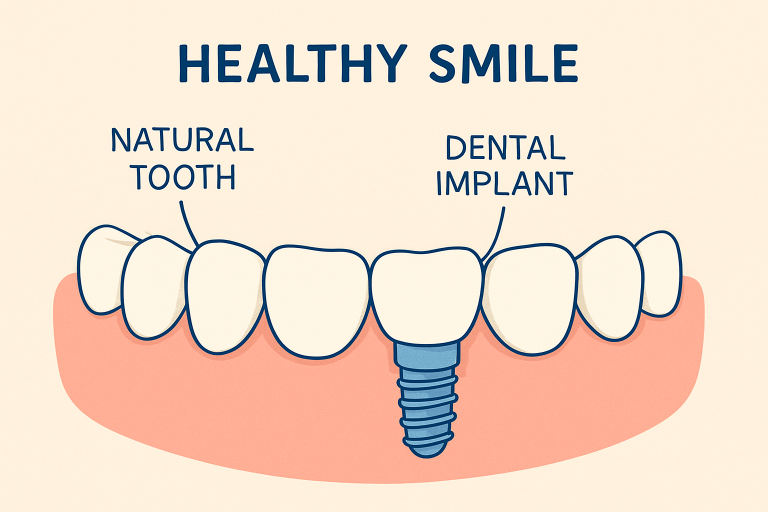
Dental implants consist of three primary components: the implant post, the abutment, and the prosthetic tooth (crown). The implant post, made of medical-grade titanium, is surgically inserted into the jawbone, serving as an artificial root for the replacement tooth. Titanium is chosen because it’s biocompatible, allowing the implant to bond securely with the surrounding bone.
The abutment is attached to the implant post, extending above the gum line, and supports the custom-made dental crown. The crown is expertly crafted to match the color and contour of your natural teeth, ensuring a seamless and visually pleasing appearance in your smile.
This procedure requires precise planning and several steps, typically completed over several months. After the implant post is placed, time is allowed for healing and for the bone to merge with the post, a process known as osseointegration. Once this occurs, the abutment and crown are attached, restoring both appearance and function.

The Osseointegration Process
Osseointegration is the foundation of dental implant success. The process occurs when the titanium implant fuses directly with the natural bone tissue in your jaw. This secure bond is crucial, as it enables the implant to withstand the daily forces of biting, chewing, and speaking—just as a natural tooth would.
Successful osseointegration relies on healthy bone density and volume. If the jawbone is too thin or soft, bone grafting may be necessary before implant surgery. The integration process typically takes several months but yields lifelong durability when proper oral hygiene is maintained.
Only after osseointegration is complete can the abutment and dental crown be placed, ensuring a functionally and aesthetically superior result. This process ultimately eliminates the risk of movement or slipping, a concern often associated with traditional dentures.
Benefits of Dental Implants
- Durability: One of the most significant advantages of dental implants is their exceptional durability. With appropriate oral hygiene, regular dental visits, and a healthy lifestyle, dental implants can last upwards of 25 years—and many last even longer.
- Bone Preservation: Unlike bridges or dentures, dental implants actively stimulate jawbone tissue, helping to maintain bone density and prevent the bone resorption that typically occurs after tooth loss. By preserving the jawbone, implants help you retain your facial shape and structure over time.
- Natural Appearance and Function: Dental implants are tailor-made to resemble your original teeth. Whether you’re eating, laughing, or speaking, implants function like natural teeth, allowing you to enjoy life without concern about slippage or discomfort.
- Confidence and Quality of Life: Beyond functional improvements, many patients experience a boost in self-esteem. The stability, appearance, and comfort of dental implants let you engage confidently in everyday activities without worrying about your smile.
- No Need for Adjacent Tooth Alteration: Unlike traditional bridges, dental implants don’t require the filing down or alteration of adjacent healthy teeth for support, keeping your overall dental structure intact.
Caring for Your Dental Implants
Proper maintenance is crucial for maximizing the lifespan of dental implants. Daily brushing and flossing, just as you would care for natural teeth, are essential. Using a soft-bristle toothbrush and non-abrasive toothpaste can prevent scratching the implant’s surface. Interdental brushes or floss threaders are helpful for cleaning around the implant crown and gum line.
Routine dental visits for professional cleanings and check-ups are equally important. Your dentist will monitor gum health and the integrity of the implant, addressing concerns before they become significant issues. Avoiding tobacco, managing systemic health conditions such as diabetes, and consuming a nutritious diet all further support the longevity of implants.
Modern research consistently shows that patients who adhere to recommended oral hygiene practices have significantly higher implant survival rates.
Practical Tips for Implant Maintenance
- Use an antimicrobial mouth rinse if recommended by your dentist.
- Schedule regular dental check-ups, ideally every six months.
- Report any unusual discomfort or loosening to your dentist promptly.
- Maintain a balanced diet to promote healthy gums and bones.
Conclusion
Dental implants have revolutionized the treatment of tooth loss in modern dentistry. Their unique combination of durability, natural function, and jawbone preservation empowers millions of people to restore their smiles—and their confidence—for life. Considering the comprehensive oral and health benefits, it’s no surprise that dental implants are now regarded as the gold standard for tooth replacement.
If you’re missing teeth or considering long-term dental restoration, consulting with an experienced implant specialist can help determine your suitability and set you on a path to improved health and quality of life.

