
Business
Water-Efficient Landscaping: Sustainable Solutions for Property Owners

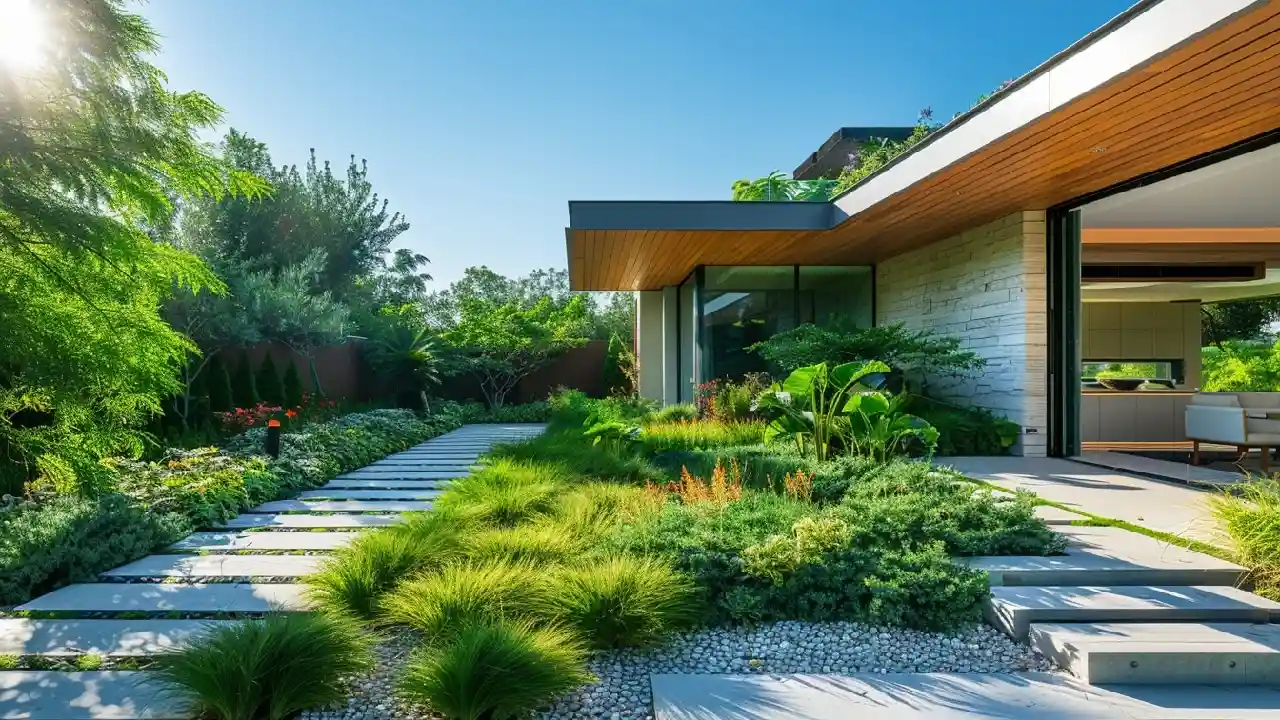
As water conservation becomes a growing priority in real estate, water-efficient landscaping is emerging as a key strategy for sustainable property management. Ballast Investments, a real estate investment firm specializing in scattered-site portfolios, recognizes that by integrating drought-resistant plants, rainwater harvesting systems and smart irrigation technologies, property owners can significantly reduce water consumption, lower utility costs and promote environmental sustainability. These solutions enhance the aesthetic and functional value of residential and commercial properties while ensuring resilience against water shortages and climate change.
The Importance of Water-Efficient Landscaping
Traditional landscaping practices often require excessive irrigation, leading to wasteful water use, high maintenance costs and environmental degradation. With increasing concerns over water scarcity and resource conservation, sustainable landscaping practices offer property owners a way to maintain green, vibrant outdoor spaces while reducing their ecological footprint.
Water-efficient landscaping is beneficial for the environment, supports local biodiversity, minimizes soil erosion and contributes to improved air quality. Many municipalities now offer incentives and rebates for properties that implement water-wise landscaping, making it an economically viable choice for property owners.
Key Strategies for Water-Efficient Landscaping
1. Choosing Drought-Resistant and Native Plants
Selecting drought-resistant and native plant species is one of the most effective ways to reduce landscape water consumption. These plants are naturally adapted to local climates and require minimal irrigation once established.
- Xeriscaping, a landscaping approach that uses drought-tolerant plants, rock gardens and mulch to retain soil moisture, significantly reduces the need for irrigation.
- Native plants, such as succulents, ornamental grasses and deep-rooted perennials, require less water and are more resistant to pests and diseases than non-native species.
- Mulching helps retain moisture, suppress weeds and regulate soil temperature, reducing the need for frequent watering.
By incorporating climate-appropriate vegetation, property owners can create low-maintenance landscapes that remain lush and attractive year-round.
2. Implementing Rainwater Harvesting Systems
Rainwater harvesting is an excellent method for reducing reliance on municipal water sources while ensuring efficient irrigation. Capturing and storing rainwater allows property owners to utilize free, natural water for landscaping needs.
- Rain barrels and cisterns collect runoff from rooftops and store it for later use.
- Permeable paving and rain gardens help manage stormwater runoff, allowing rain to seep into the soil rather than draining into city sewers.
- Bioswales (vegetated channels) direct rainwater into groundwater reserves, reduce erosion and filter pollutants from runoff.
By integrating rainwater collection systems, property owners can take advantage of natural precipitation cycles while reducing overall water demand.
3. Smart Irrigation Systems for Precision Watering
Traditional irrigation systems often overwater landscapes, leading to unnecessary waste and higher water bills. Smart irrigation technologies use sensors and automation to optimize watering schedules based on weather conditions, soil moisture levels and plant needs.
- Drip irrigation systems deliver water directly to plant roots, reducing evaporation and runoff.
- Soil moisture sensors monitor hydration levels and adjust irrigation accordingly, preventing overwatering.
- Weather-based controllers analyze real-time climate data to modify watering schedules, ensuring efficient water use.
- Graywater recycling systems repurpose wastewater from sinks, showers and washing machines for landscape irrigation, further conserving potable water.
By using AI-driven irrigation management, property owners can efficiently use water, lower operational costs and maintain healthier landscapes with minimal manual effort.
4. Reducing Lawn Areas and Incorporating Hardscaping
Lawns are among the most water-intensive features of a landscape. Reducing turfgrass areas and incorporating hardscaping elements can dramatically lower water consumption.
- Replacing lawns with drought-tolerant ground covers, such as clover or creeping thyme, reduces irrigation needs while maintaining greenery.
- Installing gravel pathways, patios and decorative rock gardens provides visual appeal without the high maintenance of grass lawns.
- Artificial turf is an alternative for areas requiring a lawn-like appearance without ongoing watering.
Incorporating hardscaping and water-wise landscaping elements helps balance aesthetics with sustainability, making properties more functional and environmentally friendly.
The Benefits of Water-Efficient Landscaping
Lower Water Bills and Cost Savings
By implementing water-wise landscaping techniques, property owners can significantly reduce their monthly water bills. Smart irrigation and drought-resistant plants minimize excessive water use, leading to substantial long-term financial savings.
Environmental Sustainability and Resource Conservation
Water-efficient landscaping reduces pressure on local water supplies, conserves freshwater resources and minimizes the carbon footprint associated with water treatment and transportation. Additionally, sustainable landscaping supports pollinators, birds and beneficial insects, fostering urban biodiversity.
Resilience Against Drought and Climate Change
As climate change increases the frequency of droughts and extreme weather, properties with water-efficient landscaping are better equipped to withstand dry conditions. By incorporating adaptive, climate-resilient designs, property owners ensure that landscapes remain functional and visually appealing year-round.
Enhanced Property Value and Marketability
Sustainable landscaping enhances property appeal and value by incorporating low-maintenance, water-efficient designs. These features attract eco-conscious buyers and tenants while reducing long-term upkeep costs. Many municipalities also offer tax incentives and rebates for water-saving landscape improvements, further increasing financial benefits.
Ryan Brewer, Ballast Investments Co-Founder and Managing Principal, says, “Sustainability is an investment in the future for us. It’s about creating properties that thrive—not just financially, but as part of a healthier, more sustainable world.” By integrating eco-friendly landscaping, developers not only boost market competitiveness but also contribute to resilient, sustainable communities.
The Future of Sustainable Landscaping
As environmental concerns and water regulations continue to evolve, water-efficient landscaping will play an increasingly vital role in urban planning and property development. Innovations in irrigation technology, AI-driven landscape management and drought-resistant plant cultivation will further advance sustainable landscaping practices.
Future landscapes will likely integrate closed-loop water systems, stormwater capture technologies and AI-powered environmental monitoring to optimize water use efficiency. By adopting these practices today, property owners can future-proof their investments while contributing to a more sustainable built environment.
Water-efficient landscaping is a smart and sustainable approach to reducing water waste, lowering costs and enhancing environmental responsibility. By incorporating drought-resistant plants, rainwater harvesting systems and smart irrigation technologies, property owners can create landscapes that are resilient, cost-effective and ecologically beneficial. With increasing water scarcity concerns, adopting sustainable landscaping solutions is no longer optional—it is a necessity for responsible property ownership. By investing in water-conscious designs, property owners can ensure long-term sustainability, lower maintenance costs and enhanced property value.
University of Houston graduate with 5 years of blogging experience, excelling in content strategy, SEO, and audience engagement. Connect with me on LinkedIn.