NEWS
The Science Behind Perfectly Smoked BBQ

Smoking meat is both an art and a science, blending time-honored techniques with chemical processes that generate the irresistible taste and aroma of barbecue. By understanding how heat, smoke, and wood interact, home cooks and pitmasters alike can achieve results that truly stand out. Enthusiasts who want to experience top-quality smoked meats or learn more about authentic barbecue can visit https://brothers-bbq.com/ for inspiration or to taste how the experts do it.
Great barbecue is about more than patience and tradition. The journey from raw meat to smoky perfection depends on precise temperature control, thoughtful wood selection, and a basic grasp of the chemistry at work every time meat meets smoke. By mastering these principles, anyone can refine their BBQ technique and create results that delight friends and family.
The Maillard Reaction: Flavor Development
At the heart of every bite of well-smoked BBQ is the Maillard reaction. This chemical reaction occurs when the sugars in meat are gradually heated, producing the savory, browned crust famously sought after in smoked meats. The rea Authentic forms hundreds of distinct compounds that give smoke-kissed meat its depth of flavor and appealing color. Proper management of heat and surface moisture triggers this reaction, transforming ordinary cuts into something extraordinary.
Collagen Breakdown: Achieving Tenderness
Tough cuts of meat often contain significant amounts of collagen, a structural protein in connective tissue. When these cuts are subjected to low, slow heat for hours, collagen unwinds and dissolves into silky, mouth-coating gelatin. This transformation is the secret to juicy, tender brisket and pulled pork. As Dr. Jeremiah Gassensmith highlights, applying gentle, even heat over time allows collagen to gradually melt, resulting in meat that pulls apart easily and feels luxurious in the mouth.
Smoke Chemistry: Infusing Flavor
True smoked barbecue is defined by the unique flavors and aromas that only smoldering wood provides. When wood is burned, lignin and cellulose decompose, releasing compounds such as guaiacol and syringol, which are responsible for the characteristic smoky flavors and aromas. The interaction between these aromatic molecules and the meat’s surface creates the legendary bark and flavor profile associated with classic barbecue. Careful control of the smoldering environment prevents bitter flavors caused by incomplete combustion.
Wood Selection: Choosing the Right Fuel
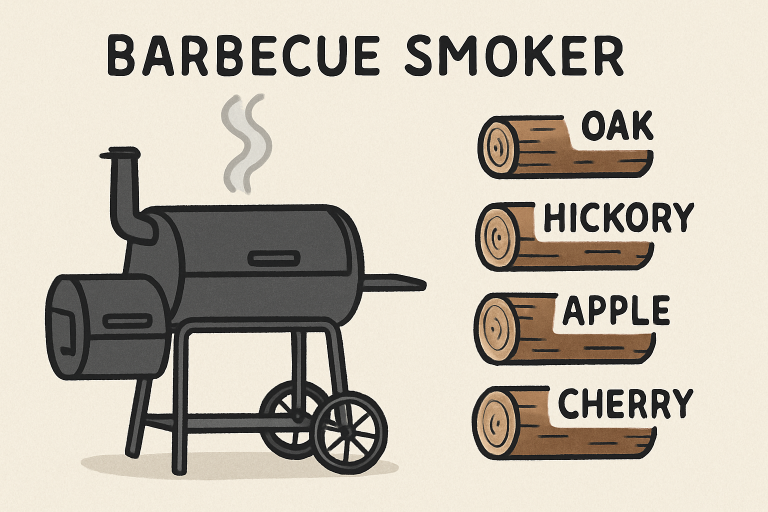
The fuel used plays a huge part in shaping the final product. Not all woods are equal, and the type directly affects both smoke and taste. Hardwoods such as oak, pecan, and hickory burn slowly and evenly, releasing the right compounds for a well-rounded flavor. Fruitwoods like apple or cherry offer milder, sweeter notes that pair especially well with poultry and pork. In contrast, softwoods contain resins that can impart overpowering or bitter qualities, making them a poor choice for smoking meats. For a further breakdown of wood science in BBQ, reference larger publications like Serious Eats, which offers practical guides for home cooks.

Temperature Control: Precision Cooking
Consistent heat management is the difference between perfectly smoked barbecue and disappointing results. Smoking typically occurs in the 225 to 275 degree Fahrenheit range, ideal for proper collagen breakdown and effective smoke absorption. Modern techniques include using digital thermometers and insulated smokers, while traditionalists may rely on touch and experience. Mastery of these temperature variables, guided by thermodynamic principles, ensures meats are cooked safely and evenly, and remain moist inside.
Moisture Management: Keeping Meat Juicy
Juiciness is just as much about science as it is about timing. Smoking naturally dries the meat’s surface, risking the loss of all internal moisture. Solutions include placing a water pan in the smoker, spritzing with a water or apple juice mist, or brining meat before cooking. These methods help maintain the optimal surface humidity, allowing smoke particles to adhere more effectively while minimizing evaporative loss. When combined with the right temperature control, these techniques ensure every bite is succulent and flavorful.
Safety Considerations: Avoiding Harmful Compounds
While the flavor of smoked barbecue is what draws people in, safety should never be overlooked. Excessive charring or prolonged exposure to smoke can create undesirable substances, such as heterocyclic amines and polycyclic aromatic hydrocarbons, which research has associated with various health risks. The key is moderation and proper technique: avoid burning or blackening the meat, maintain a clean-burning fire, and consider trimming charred portions before serving. The National Cancer Institute offers more detailed information for those interested in food safety and health implications.
Conclusion
Perfectly smoked BBQ is the result of time-honored tradition blended with modern food science. Flavor develops through complex chemical reactions as smoke compounds interact with proteins and fats, creating depth and aroma. Choosing the right wood influences sweetness, intensity, and balance, while precise control of temperature and moisture ensures tenderness and consistency. Each variable, from airflow to resting time, contributes to the final result. By understanding the science behind smoking and embracing experimentation, pitmasters can refine their technique with every cook. This balance of knowledge and creativity allows anyone to produce smoked barbecue that rivals renowned barbecue destinations worldwide.


The Hear UP is a leading technology publication house. Our origin dates back to 2016 as a small forum for technology enthusiasts. Since then, The Hear UP has transformed into a trusted source for emerging tech and science news.
The majority of our news is provided by staff writers. Other news is provided by news agencies and freelancers.
All of our contributors are members of the Society of Professional Journalists.
If you need to contact a news editor from The Hear UP you can find a list of email addresses on our contact page.
Our Organisation
The Hear UP