NEWS
The Rise of Eco-Conscious Beverage Napkins

Every day, millions of beverage napkins are used once and discarded, contributing to a mounting waste crisis that clogs landfills and pollutes ecosystems. From casual coffee shops to elegant dinner parties, these seemingly insignificant paper squares have become emblematic of our throwaway culture. Yet a quiet revolution is underway in dining rooms and event spaces worldwide. Hosts, restaurateurs, and conscious consumers are discovering that sustainability and style need not be mutually exclusive. Eco-conscious beverage napkins are emerging as a practical solution that marries environmental responsibility with aesthetic appeal, proving that small choices can drive meaningful change. These innovative products reduce waste, conserve natural resources, and often feature beautiful designs that elevate any occasion. In this article, you’ll learn how to identify genuinely sustainable napkins, understand their environmental benefits, and seamlessly integrate them into your entertaining routine. Whether you’re planning an intimate gathering or a large celebration, you’ll discover actionable strategies for making greener choices without compromising on quality or visual impact.
Why the Shift? Understanding the Environmental Impact of Traditional Napkins
The journey of a conventional beverage napkin begins in forests where trees are harvested for virgin pulp, requiring thousands of gallons of water and energy-intensive processing. Manufacturing a single ton of paper napkins consumes approximately 17 trees and 20,000 gallons of water, while releasing chlorine and other chemicals into waterways during bleaching processes. Plastic-coated napkins fare even worse, derived from petroleum and contributing to the 300 million tons of plastic produced annually. Once used for mere minutes to catch condensation or wipe a spill, these napkins join the 26 million tons of disposable tableware waste generated each year in the United States alone. In landfills, they decompose slowly if at all, releasing methane as they break down or fragmenting into microplastics that infiltrate soil and water systems. This linear take-make-dispose model stands in stark contrast to the circular economy principles gaining traction among environmentally aware consumers. Today’s diners and hosts increasingly demand products that can return safely to the earth, creating nutrients rather than pollution. This shift reflects a broader awakening to the cumulative impact of daily choices. Biodegradable and compostable napkins made from rapidly renewable resources offer a tangible alternative, transforming waste streams into closed loops where materials regenerate rather than accumulate. The transition from conventional to eco-conscious napkins represents more than product substitution; it signals a fundamental rethinking of how we balance convenience with planetary health.
What Makes a Beverage Napkin Truly Eco-Conscious?
Authentic eco-conscious beverage napkins distinguish themselves through verifiable materials, transparent certifications, and processing methods that minimize environmental harm. The foundation begins with the raw material itself: bamboo grows rapidly without pesticides and regenerates from its root system, making it exceptionally renewable. Recycled paper diverts waste from landfills and requires significantly less energy and water than virgin pulp production. Sugarcane bagasse, the fibrous residue left after juice extraction, transforms agricultural waste into a valuable resource that would otherwise be burned. FSC-certified pulp guarantees that wood fiber comes from responsibly managed forests with strict ecological and social standards. Beyond the base material, truly sustainable napkins undergo chlorine-free bleaching processes that eliminate dioxin contamination in waterways, often using oxygen or hydrogen peroxide instead. Festive prints and colors should rely on soy-based or vegetable inks that decompose harmlessly rather than petroleum-derived alternatives. Critical certifications to seek include BPI (Biodegradable Products Institute) for compostability verification, ASTM D6400 or D6868 standards confirming compostability in commercial facilities, and explicit “home compostable” designations if you plan backyard disposal. However, greenwashing remains rampant in the sustainable products marketplace. Terms like “eco-friendly” or “natural” carry no legal definition and often mask conventional materials with superficial green marketing. Vague claims without third-party certification, phrases such as “degradable” without specifying conditions, and packaging decorated with leaves or earth tones while lacking substantive credentials should raise immediate skepticism. Genuine eco-conscious napkins provide clear material composition, specific disposal instructions, and independently verified certifications prominently displayed on packaging.
Material Deep Dive: From Bamboo to Bagasse
Bamboo napkins offer exceptional softness approaching conventional paper quality, with moderate absorbency and decomposition within 45 to 90 days in commercial composting facilities. Their primary advantage lies in rapid renewability, though transportation from Asian growing regions can increase carbon footprint. Recycled paper napkins provide the most familiar texture and good absorbency while diverting waste streams, though they may feel slightly coarser and typically break down in 60 to 90 days. Sugarcane bagasse creates sturdy napkins with excellent absorbency and the fastest decomposition rate of 30 to 60 days, effectively carbon-neutral since the sugarcane absorbed CO2 during growth. FSC-certified virgin pulp napkins deliver premium softness and strength with responsible forestry practices, decomposing in standard timeframes but requiring more resources than alternatives. For quick comparison: bamboo excels in renewability and texture, recycled paper maximizes waste reduction, bagasse leads in decomposition speed and carbon impact, while FSC pulp balances performance with forest stewardship.

Practical Solutions: Integrating Sustainable Napkins into Your Life
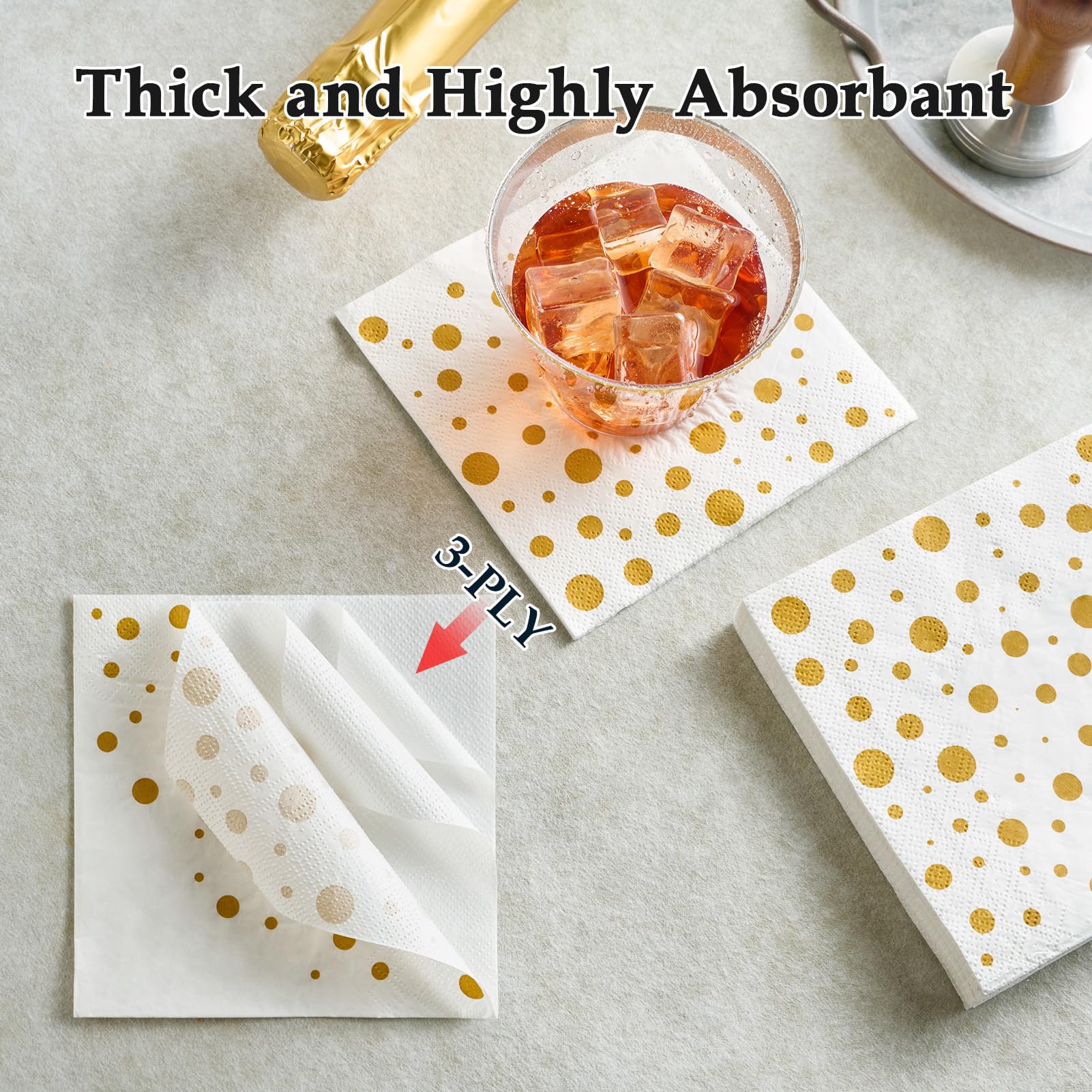
Transitioning to eco-conscious beverage napkins requires neither wholesale lifestyle changes nor significant budget increases when approached strategically. Begin by calculating your actual needs: a cocktail party typically requires two to three napkins per guest, while seated dinners need one to two per person. Purchasing in bulk directly from manufacturers or through wholesale platforms reduces per-unit costs substantially, often matching or undercutting conventional napkin prices when buying quantities of 500 or more. Subscription services specializing in sustainable party supplies offer another cost-effective avenue, delivering curated selections quarterly while eliminating last-minute shopping stress. For those hosting frequent gatherings, establishing relationships with local zero-waste stores or eco-focused event suppliers can unlock volume discounts and early access to seasonal designs. Styling sustainable napkins elevates rather than limits creative possibilities. Bamboo napkins in natural tones complement minimalist aesthetics and garden parties, while vibrant bagasse napkins printed with soy-based botanical patterns enhance spring celebrations. Recycled paper options now feature sophisticated metallic accents for formal weddings and holiday entertaining, proving that environmental responsibility pairs beautifully with elegance. Coordinate napkin prints with reusable fabric table runners or potted plant centerpieces to reinforce your sustainable theme visually. Display your eco-conscious choices proudly by placing small tent cards near beverage stations explaining the compostable materials, transforming your event into a conversation starter about accessible sustainability.
Step-by-Step: Planning an Eco-Chic Event
First, calculate napkin quantities by multiplying guest count by three for cocktail events or two for seated meals, then adding 20 percent for contingencies. Second, source certified biodegradable napkins at least three weeks before your event, verifying BPI or ASTM D6400 certifications on product pages and confirming delivery timelines. Third, coordinate napkin prints with your overall theme by selecting colors that echo invitations, florals, or seasonal palettes while ensuring designs use plant-based inks. Fourth, establish clearly labeled disposal stations with separate bins for compostables and recyclables, positioning them near high-traffic areas with simple visual guides showing which items belong where. Fifth, communicate your green choices through brief mentions in invitations, a welcome sign explaining your sustainability efforts, or casual conversations that inspire guests without preaching, making environmental consciousness feel inclusive and celebratory rather than restrictive.
Beyond the Napkin: Building a Cohesive Sustainable Tableware Set
Eco-conscious beverage napkins achieve their fullest impact when integrated into a comprehensive sustainable tableware system that transforms your entire entertaining approach. Pairing your compostable napkins with bamboo fiber plates creates visual harmony while ensuring all disposables share compatible end-of-life pathways, allowing guests to discard everything in a single compost bin without sorting confusion. PLA (polylactic acid) cups derived from cornstarch offer transparent elegance for beverages while decomposing alongside your napkins in commercial facilities, though they require temperatures above 140°F and won’t break down in home compost. Wooden cutlery from birch or bamboo provides sturdy functionality with rustic charm, complementing natural napkin tones beautifully. For hosts balancing sustainability with budget realities, investing in quality reusable cloth napkins, ceramic plates, and glassware for intimate gatherings while reserving certified compostable disposables for larger events creates flexibility without compromise. Brands like Jolly Chef have begun offering coordinated sustainable tableware collections that simplify the selection process, providing matched sets of compostable napkins, plates, and cutlery with verified certifications. Storage solutions matter equally: dedicate clear bins labeled by material type in your pantry, keeping bamboo napkins separate from bagasse plates to streamline setup and prevent accidental mixing with conventional supplies. Stackable containers preserve napkin prints from moisture and crushing while maximizing vertical space. Though initial investment in sustainable tableware may exceed conventional alternatives by 15 to 30 percent, the long-term calculus shifts dramatically when considering reduced landfill fees, the growing availability of municipal composting programs, and the intangible value of aligning daily practices with environmental values. A cohesive sustainable table setting communicates intentionality and care, elevating gatherings from mere consumption to mindful celebration.
Making the Sustainable Choice for Every Celebration
The environmental toll of traditional beverage napkins—from deforestation and water waste to landfill accumulation and microplastic pollution—demands immediate attention, yet the solution lies within easy reach. Genuinely eco-conscious napkins crafted from bamboo, recycled paper, sugarcane bagasse, or FSC-certified pulp offer verifiable sustainability through third-party certifications like BPI and ASTM standards, while avoiding greenwashing traps that plague the marketplace. Integrating these biodegradable alternatives into your entertaining routine requires only strategic planning: calculating quantities accurately, sourcing bulk supplies cost-effectively, coordinating festive prints with your aesthetic vision, and establishing clear composting stations that guide guests effortlessly. When paired with complementary sustainable tableware, these napkins become part of a cohesive system that proves environmental responsibility enhances rather than limits style and celebration. Each compostable napkin you choose represents a vote for regenerative systems over extractive waste, a small decision that gains power through repetition and collective action. As more hosts, restaurants, and event planners embrace these alternatives, market demand will continue driving innovation, accessibility, and affordability. Your next gathering can become more than a memorable occasion—it can serve as a living demonstration that elegance and ethics coexist beautifully, inspiring others to recognize that sustainability begins not with grand gestures but with mindful choices about the everyday items we too often overlook.


University of Houston graduate with 5 years of blogging experience, excelling in content strategy, SEO, and audience engagement. Connect with me on LinkedIn.