
Tech
The Rise of AI-Powered Creativity in Digital Content Production

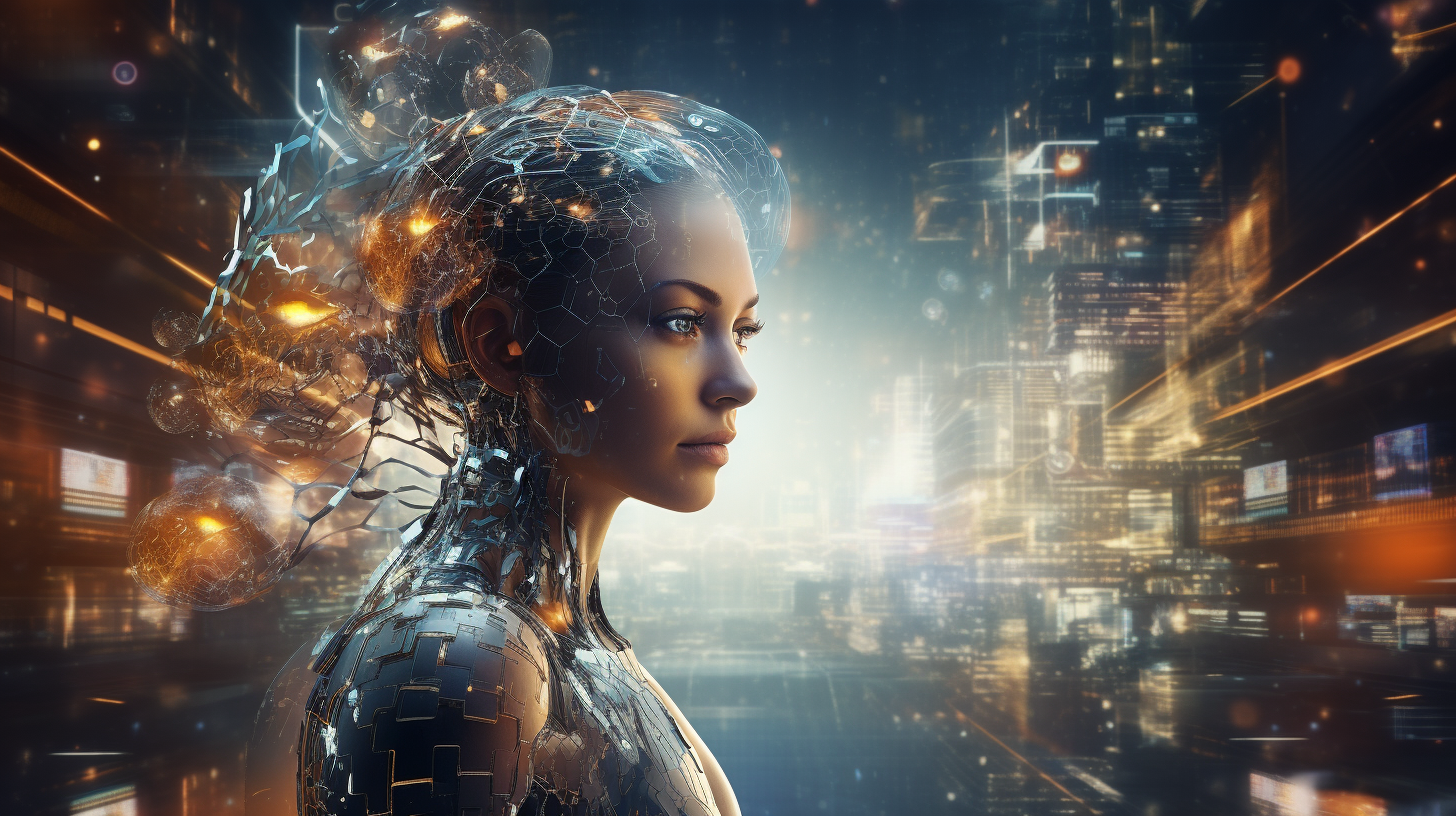
Artificial intelligence is rapidly reshaping the creative industry, offering tools that make content production faster, smarter, and more accessible for creators, marketers, musicians, and businesses alike. From video editing and automated design to AI-generated music and intelligent content enhancement, modern AI-powered platforms are transforming how digital media is produced and consumed. As the demand for high-quality content continues to grow across social media, advertising, education, and entertainment, creators are increasingly turning to innovative AI solutions to stay competitive and efficient.
The Evolution of AI in Creative Industries
One of the most exciting developments in the digital world is the rise of advanced multimodal AI technologies capable of handling text, audio, video, and visual generation simultaneously. These systems are designed to understand context, enhance productivity, and simplify creative workflows for professionals and beginners alike. Platforms powered by intelligent automation are helping creators save countless hours while maintaining professional-quality results.
Among the leading innovations in this field is Gemini Omni AI, a modern AI-powered solution designed to streamline creative tasks and improve content generation capabilities. By integrating advanced machine learning algorithms with intuitive user experiences, the platform empowers creators to produce engaging visual and multimedia content more efficiently than ever before. Whether users are creating short-form videos for social media, educational presentations, marketing campaigns, or branded content, AI-driven tools significantly reduce the technical barriers traditionally associated with professional content production.
Why AI Tools Are Becoming Essential for Creators
The growing popularity of AI creative tools is closely linked to the explosion of digital content across platforms such as TikTok, YouTube, Instagram, and other social media networks. Audiences today expect visually compelling, fast-paced, and highly personalized content. To meet these expectations, creators need tools that can automate repetitive editing tasks while still allowing room for originality and creativity. AI-powered systems are increasingly capable of understanding user intent, generating relevant suggestions, and even enhancing production quality automatically.
In recent years, machine learning technologies have evolved beyond simple automation. Modern AI systems now analyze patterns, predict audience preferences, and generate creative outputs that align with current trends. This has dramatically improved the efficiency of content creation workflows for businesses and individual creators alike. Companies are leveraging AI not only for editing and production but also for strategic content planning, audience targeting, and performance optimization.
AI-Generated Music Is Transforming Audio Production
Another major advancement in the AI creative ecosystem is AI-generated music. Music production has traditionally required specialized skills, expensive equipment, and years of experience. However, AI-driven music tools are changing this landscape by enabling creators to compose, edit, and customize soundtracks with minimal technical knowledge. These tools are especially valuable for video creators, marketers, podcasters, and game developers who need high-quality audio assets quickly and affordably.
An excellent example of this innovation is SeedMusic, which demonstrates how artificial intelligence can revolutionize music generation and audio creativity. AI music tools allow users to experiment with melodies, beats, rhythms, and genres in ways that were previously limited to professional studios. By combining automation with creative flexibility, AI-generated music solutions open new opportunities for independent creators and businesses looking to produce unique audio experiences.
The Business Impact of AI-Powered Content Creation
The impact of AI on the creative economy extends far beyond convenience. It is fundamentally changing how creative professionals approach their work. Designers can now generate visual concepts within seconds, video editors can automate scene transitions and subtitles, and musicians can create custom soundtracks instantly. This acceleration in production allows creators to focus more on storytelling, strategy, and audience engagement rather than spending excessive time on technical processes.
Businesses are also benefiting significantly from AI-enhanced content production. Marketing teams are using AI tools to produce personalized advertising campaigns at scale, while educators are creating interactive learning materials with minimal effort. In the entertainment industry, AI technologies are helping studios streamline post-production workflows, improve visual effects, and accelerate multimedia distribution. As a result, organizations can produce more content in less time while maintaining consistent quality standards.
Human Creativity Still Matters
Despite these advancements, the role of human creativity remains essential. AI tools are most effective when used as collaborative assistants rather than complete replacements for human imagination. Successful creators understand that artificial intelligence can enhance productivity and inspiration, but authentic storytelling, emotional connection, and creative direction still rely heavily on human input. The best outcomes often emerge when creators combine AI efficiency with their own unique artistic vision.
The accessibility of AI creative platforms is another reason for their growing adoption worldwide. Previously, professional-grade editing software and production tools were often expensive and difficult to learn. Today, AI-powered platforms offer user-friendly interfaces that make advanced creative capabilities available to a much broader audience. Students, freelancers, small businesses, and independent creators can now compete with larger organizations by leveraging affordable AI-driven solutions.
The Future of AI in Digital Creativity
Looking ahead, the future of AI in content creation appears incredibly promising. As machine learning models become more sophisticated, AI systems will continue improving their ability to understand creative intent, generate personalized experiences, and assist with complex multimedia production tasks. Future developments may include fully interactive AI collaborators capable of generating complete campaigns, immersive virtual experiences, and highly customized digital content tailored to individual audiences.
Ethical considerations will also play an important role in the continued evolution of AI-generated content. Questions related to originality, copyright, authenticity, and responsible AI usage will require careful attention from developers, businesses, and policymakers. Transparency and ethical implementation will be essential to ensuring that AI remains a positive force within the creative industry.
Conclusion
Ultimately, artificial intelligence is not replacing creativity—it is expanding its possibilities. AI-powered platforms are helping creators overcome technical limitations, accelerate workflows, and unlock new forms of artistic expression. Whether through intelligent video editing, automated design assistance, or AI-generated music, these technologies are reshaping the future of digital creativity in remarkable ways.
As creators continue embracing AI-powered solutions, the creative landscape will likely become more dynamic, inclusive, and innovative than ever before. Those who successfully integrate AI into their workflows will be better positioned to adapt to evolving audience expectations and emerging digital trends. The future of creativity is increasingly collaborative, where human imagination and artificial intelligence work together to produce engaging, impactful, and inspiring content for audiences around the world.