
Business
The Essential Guide to Your Car’s Air Conditioning: Recognizing the Signs for a Timely Check-Up

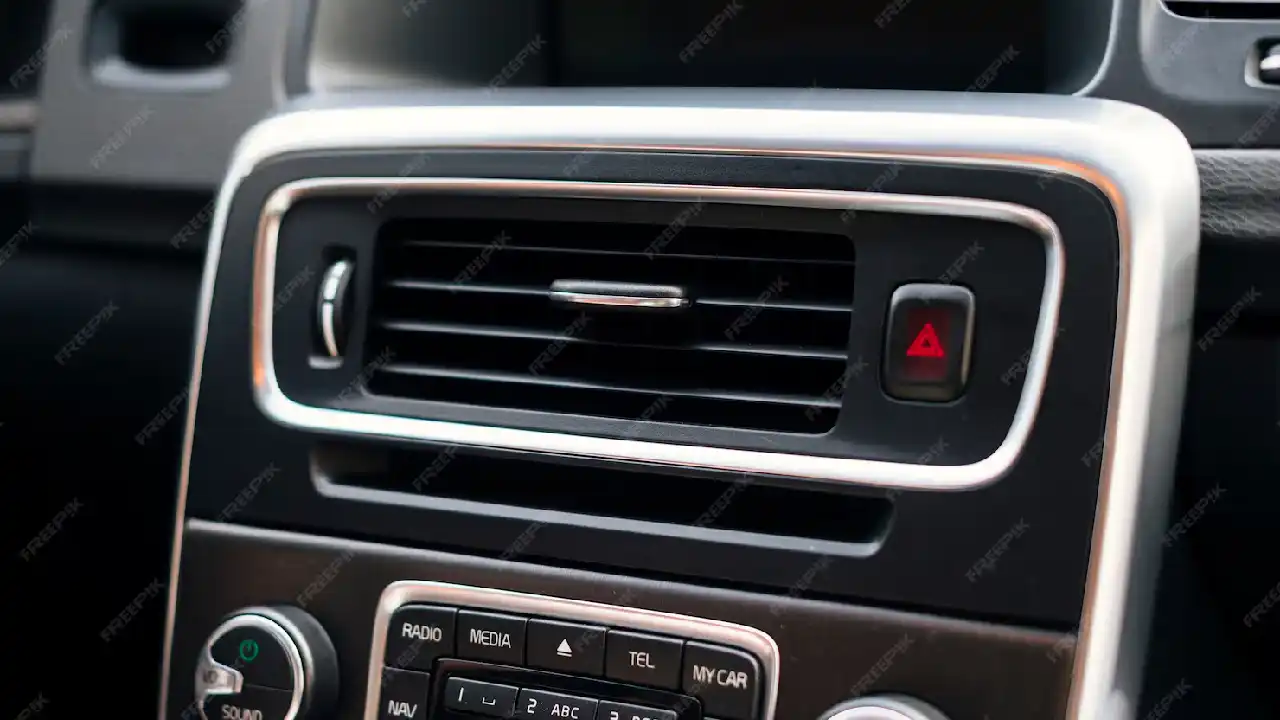
Your car’s air conditioning system is an engineering marvel often taken for granted, relegated to the category of a mere luxury. However, its role extends far beyond providing a cool breeze on a scorching summer day. It is an integral component of your vehicle’s ecosystem, responsible for regulating cabin comfort, ensuring optimal visibility, and safeguarding the air you breathe during your journeys. Neglecting its subtle cries for help can transform a minor, affordable adjustment into a major, wallet-draining repair, often accompanied by compromised comfort and even driving safety. Understanding the warning signs your vehicle emits is the first step in responsible ownership. This comprehensive guide delves into the five critical indicators that your car aircon needs professional servicing, explaining the underlying causes and emphasizing the importance of prompt action.
The Multifaceted Role of Your Car’s Aircon
Before examining the symptoms, it’s crucial to appreciate the system’s complexity and value. A car’s air conditioning system is a closed-loop, mechanical circuit that involves compression, condensation, expansion, and evaporation of a refrigerant. Key components include the compressor, condenser, expansion valve, and evaporator. Beyond cooling, this system dehumidifies the air entering the cabin. This function is vital for preventing windscreen fogging in humid or cold weather, a direct contributor to safer driving. Furthermore, by circulating air through the cabin filter (when properly maintained), it filters out pollen, dust, and pollutants. Consequently, a malfunctioning AC system doesn’t just affect temperature; it can impact visibility, air quality, and overall driving focus.
The Five Unmistakable Warning Signs
1. Weak, Warm, or Absent Airflow: The Primary Alarm
The most direct and unmistakable sign of trouble is a failure to produce cold air. When you turn the dial to maximum cool and are met with lukewarm or ambient-temperature air, your AC system is fundamentally failing to perform its core duty. This symptom can manifest gradually, with the system taking progressively longer to cool the cabin, or it can occur suddenly.
The causes are typically rooted in the refrigeration cycle:
- Low Refrigerant Charge: This is the most common culprit. Refrigerant is the lifeblood of the system, and its level can diminish over time through microscopic seals or, more seriously, from a leak. An undercharged system cannot effectively absorb and dispel heat.
- Compressor Failure: The compressor is the heart of the system, pressurizing the refrigerant. If its clutch fails to engage, if it seizes, or if it internally fails, the entire cycle stops. A telltale sign is the clutch not spinning when the AC is activated.
- Blockages or Restrictions: The system’s delicate components, like the expansion valve or orifice tube, can become clogged with debris or moisture, obstructing the flow of refrigerant. Similarly, a severely dirty condenser (located at the front of the car) cannot dissipate heat effectively.
- Electrical Issues: Blown fuses, faulty relays, or damaged wiring can prevent power from reaching the compressor or clutch, halting operations.
Ignoring warm air output forces the system to work harder when it does function, accelerating wear and potentially leading to complete compressor failure—one of the costliest repairs in automotive AC.
2. Unpleasant Odours: The Smell of Microbial Invasion
A musty, damp, or mouldy smell wafting from the vents upon activation is more than a nuisance; it’s a public health announcement from your car’s interior. This odour almost invariably originates at the evaporator core—a component located behind the dashboard. As the AC dehumidifies air, moisture condenses on the evaporator and should drain away. However, if the drain tube becomes clogged with leaves, pollen, or debris, this moisture stagnates. In the dark, damp environment of the evaporator housing, it becomes a perfect breeding ground for mould, mildew, and bacteria.
Every time you turn on the fan, you aerosolize these microorganisms and blow them directly into the cabin. For allergy sufferers, asthmatics, or anyone concerned about air quality, this poses a genuine problem. A professional service will not only identify and clear the drain but will also use specialized anti-bacterial treatments or UV lights to sanitize the evaporator core and ducting, restoring fresh, clean air.
3. Unusual Noises: The Sound of Mechanical Distress
Your vehicle’s air conditioning should operate with a subdued, consistent hum. The introduction of new auditory signals is a direct communication of mechanical issues.
- Hissing or Bubbling: Often indicative of a refrigerant leak. A hiss might be heard from a puncture in a hose or at a fitting, especially when the system is running. Bubbling can sometimes be heard from the compressor if refrigerant is low.
- Squealing or Grinding: Frequently points to a failing compressor clutch or bearings within the compressor itself. A belt-driven compressor may squeal if the drive belt is worn or loose.
- Rattling or Clunking: Can signify loose components, a compressor mounting bracket coming adrift, or internal damage to the compressor.
- Clicking (Rapid): Often associated with a failing compressor clutch attempting to engage but failing repeatedly.
These sounds rarely resolve on their own. Instead, they are precursors to more catastrophic failures. A hiss leads to an empty system; a grind leads to a seized compressor. Early diagnosis can isolate the noisy component and prevent collateral damage to other, interconnected parts.
4. Moisture and Leaks: The Signs of System Breach
While a small puddle of clear water under your car (typically under the passenger side) after running the AC is normal condensation from the drain, other moisture is not.
- Interior Dampness: Wet carpets, particularly on the passenger side floor, strongly suggest a blocked evaporator drain tube. Instead of exiting the vehicle, condensate backs up and spills into the interior, leading to mould, mildew, and electrical damage.
- Oily Residue: Refrigerant leaks are often accompanied by compressor oil. If you see a greasy, dark film on AC components under the hood (like hoses, connections, or the condenser), it’s a clear sign of a leak. Refrigerant itself may not always be visible as it vaporizes instantly.
- Excessive Window Fogging: If your windows fog up persistently only when the AC is on, it could indicate the evaporator is frozen over due to low refrigerant or a fault, and is then thawing and creating excessive moisture.
Addressing leaks promptly is critical. Moisture inside the system, drawn in through leaks, reacts with refrigerant and oil to form corrosive acids that can destroy the compressor and other components from the inside out.
5. Unresponsive or Erratic Controls: The Electronic Cry for Help
Modern vehicle air conditioning is governed by a complex network of sensors, switches, and electronic control modules. If the physical or digital controls become unresponsive, laggy, or erratic—such as fans not changing speed, temperature blend doors not adjusting, or certain zones not cooling—the issue may be electronic rather than mechanical.
- Faulty Sensors: Ambient air sensors, cabin temperature sensors, or evaporator temperature sensors can send incorrect data to the control module, confusing the system.
- Blend Door Actuator Failure: These small motors physically move flaps to direct air. Their failure is common and often accompanied by a repetitive clicking sound from behind the dash.
- Control Head/Module Failure: The unit itself that houses the buttons and dials can malfunction.
While not always a “mechanical” breakdown, these issues render the system ineffective and require specialized diagnostic tools to properly identify and repair.
Proactive Maintenance: The Alternative to Reactive Repair
Beyond responding to these warning signs, adopting a proactive stance is the wisest course of action. Experts recommend having your car’s air conditioning system serviced every 1-2 years. A professional service typically includes:
- Performance testing and temperature measurement.
- Leak detection using electronic sniffers or UV dye.
- Recharging the refrigerant to the exact manufacturer specification (too much is as bad as too little).
- Checking compressor operation and belt tension.
- Inspecting and cleaning the condenser.
- Replacing the cabin air filter—a simple yet often overlooked task that dramatically affects airflow and air quality.
Final thoughts: Heed the Signs, Ensure Comfort and Safety
Your car’s air conditioning is a vital system deserving of attention and care. The signs it gives—be it warm air, strange smells, odd noises, unexplained moisture, or faulty controls—are clear communications that should not be ignored. They are the language of an intricate machine asking for help. By listening and acting promptly, you preserve not only your comfort but also your safety, your health, and your finances. Regular servicing is a modest investment that ensures this hardworking system remains reliable, efficient, and ready to provide a cool, clear, and comfortable cabin environment, regardless of the weather outside. When in doubt, consult a qualified automotive HVAC technician; their expertise can diagnose the subtlety behind the symptom and restore your vehicle’s climate control to its intended, refreshing state.
University of Houston graduate with 5 years of blogging experience, excelling in content strategy, SEO, and audience engagement. Connect with me on LinkedIn.