Latest News
Sustainable Architecture Design Trends for 2026

Facing the urgent challenges of climate change, architects around the world are shifting their focus toward innovative, environmentally responsible solutions. Sustainable architecture is no longer just a preference but is becoming an industry standard, setting new benchmarks for energy performance, occupant well-being, and responsible resource use. As these trends advance, leading firms like Arch 11 are playing a key role in pioneering sustainable practices through their forward-thinking projects and modern design philosophies.
The architectural landscape is being redefined not only by the need to reduce carbon emissions but also by a growing focus on materials, technology, and inclusivity. This new wave goes beyond conventional green building certifications, looking holistically at how structures interact with the environment and serve diverse communities. Architects are leveraging innovative technologies, biophilic principles, and adaptive reuse to balance sustainability with comfort and beauty, making eco-friendly buildings more accessible and widely adopted than ever before. The drive for a sustainable future in construction and architecture is not only about environmental impact but also about creating healthier, more equitable, and resilient spaces. This comprehensive approach allows today’s buildings to support occupants, better communities, and the planet for years to come. According to recent reports by the American Institute of Architects, sustainable practices also lead to enhanced property values and improved tenant satisfaction, underscoring the economic benefits of green design.
Net-Zero Energy Buildings
Net-Zero Energy Buildings (NZEBs) have become a central objective in sustainable architecture for 2026. These innovative structures produce as much renewable energy on-site as they consume annually, primarily using solar panels or wind energy systems. The widespread adoption of NZEBs is transforming city skylines, making high performance and energy independence the new normal. Through carefully engineered building envelopes and advanced HVAC solutions, architects now deliver both efficiency and comfort while drastically reducing operational carbon emissions.
The financial incentives for NZEBs are also significant. Over the lifespan of a building, operational savings can offset initial investments in renewables and insulation. This has encouraged both private- and public-sector developers to pursue net-zero certifications, especially as governments worldwide implement stricter building codes and carbon standards.
Biophilic Design
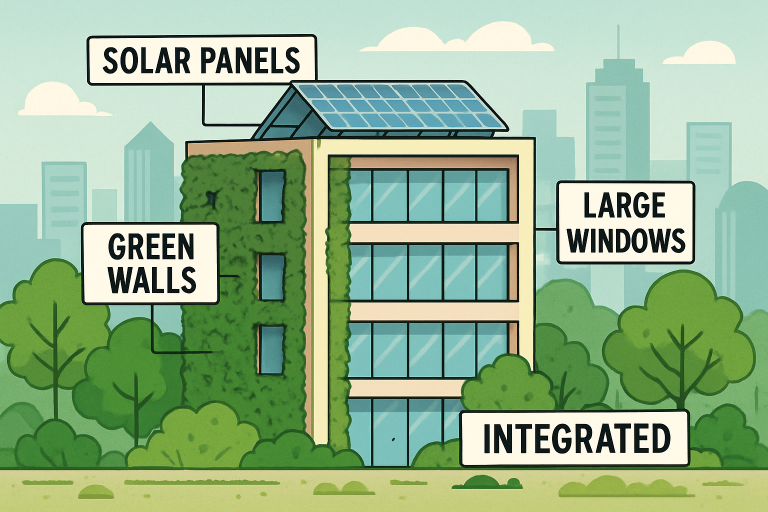
By integrating natural elements into built environments, biophilic design has taken hold as a primary trend for 2026. Studies show that incorporating features such as green walls, ample daylight, water elements, and organic materials can improve mental health, increase productivity, and enhance occupant satisfaction. No longer an afterthought, biophilic elements are now foundational, used in schools, workplaces, and public buildings to foster a stronger human-nature connection.
As designers capitalize on this trend, biophilic principles are blending into innovative building technologies to optimize both wellness and sustainability. These spaces not only help individuals thrive but also serve as living examples of sustainable practices in action. For a deeper dive into biophilic design and its broad benefits, readers can consult this comprehensive guide.

Adaptive Reuse
Adaptive reuse continues to gain momentum in 2026, as architects view existing structures as valuable resources rather than liabilities. By repurposing unused or historic buildings for new uses, adaptive reuse conserves resources, preserves cultural heritage, and reduces construction waste sent to landfills. This trend can be seen in urban centers where industrial warehouses are being transformed into vibrant mixed-use developments and historic civic buildings are being adapted into modern community hubs.
One global example is the restoration of the New Gourna Village in Egypt, which blends traditional materials and construction methods with contemporary uses, demonstrating the potential for historical assets to play a vital role in sustainability efforts. More information about this award-winning project can be found in a recent TIME article.
Low-Carbon and Recycled Materials
The environmental impact of construction materials has become a primary concern for architects and builders alike. Specifying materials with low embodied carbon, such as mass timber, recycled steel, hempcrete, and mycelium-based insulation, is standard practice. These alternatives sequester or offset carbon and require less energy to produce, helping reduce the sector’s overall emissions.
Cutting-edge research and investment in recycled concrete and industrial byproducts, like fly ash and slag, are also paving the way for even greener construction. These efforts align with initiatives from organizations such as the World Green Building Council, which underscores the importance of material sustainability as a crucial component of climate action.
Passive Design Strategies
Passive design strategies that harness natural properties for comfort and efficiency remain foundational. Building orientation, window placement, shading systems, and high-performance envelopes are employed to optimize daylighting and cross-ventilation, minimizing the need for mechanical cooling or heating. These strategies reduce operational energy and create resilient spaces that better withstand climate extremes, making new and retrofitted buildings more comfortable and efficient.
Smart Technology and Energy Efficiency
The use of intelligent building management systems (BMS) and AI-driven controls continues to expand, enabling real-time monitoring, energy forecasting, and automated performance optimization. These technologies can adjust lighting, ventilation, and heating based on occupancy patterns, making buildings not just sustainable but adaptive and responsive to user needs.
Forward-thinking cities employ AI to model and develop entire zero-carbon districts, setting new precedents for urban sustainability. As these systems become more accessible, architects can design buildings that are smarter, safer, and significantly less resource-intensive.
Inclusive Design
Inclusion has become a non-negotiable aspect of sustainable architecture in 2026. Buildings are now routinely designed to ensure accessibility, safety, and comfort for people of all abilities and backgrounds. This expansion of universal design standards includes tactile wayfinding, barrier-free entries, and flexible, adaptable interior spaces that can support diverse needs throughout changing life stages.
The principle of inclusion is being promoted not just in new construction, but also in retrofits, ensuring that every occupant enjoys equal access and opportunity, and contributing to healthier, more equitable communities.
Circular Construction and Modular Design
Circular construction principles are revolutionizing the building sector by introducing modular systems and design for disassembly. This practice makes it easy to reuse or repurpose entire building components without generating waste while keeping materials in continuous loops of productivity.
Modular design enables faster assembly and lower labor costs while accommodating quick changes when needed. Together, these approaches support longevity, reduce embodied carbon, and offer flexibility that traditional construction cannot match, an essential move toward sustainable growth.
The future of architecture is defined by these sustainable trends, reflecting the industry’s commitment to a greener and more just world. By integrating energy-positive solutions, nature-based design, cutting-edge technology, and inclusive practices, architects are transforming the built environment into a force for positive change.

