Games
Standard vs. Hall Effect Joysticks in Cell Phone Controllers

Mobile gaming has exploded into a multi-billion dollar industry, and with it, the demand for precision hardware that can keep pace with competitive play. Whether you’re clutching a victory in a battle royale or executing frame-perfect combos in a fighting game, the joystick on your controller is the single most critical interface between your intent and your on-screen performance. But here’s a question most gamers never think to ask: is the technology inside your joystick actually holding you back? The two dominant approaches powering today’s gaming peripherals couldn’t be more different. Traditional potentiometer-based joysticks have been the industry standard for decades, relying on physical contact to register movement. On the other side, Hall Effect joysticks represent a newer, contactless approach that uses magnetic sensors to track position with zero mechanical wear. This guide breaks down everything you need to know about both technologies, helping you decide which belongs in your next controller for cell phone gaming. From the underlying mechanics to real-world performance differences, consider this your definitive resource before making your next upgrade.
1. Unpacking the Technologies: How Standard and Hall Effect Joysticks Work
A standard analog joystick relies on potentiometers—small variable resistors that change their electrical output as you push the stick in any direction. Inside, a physical wiper slides along a resistive track, and the controller reads the changing voltage to determine stick position. It’s elegantly simple and has powered everything from console gamepads to arcade machines for over three decades. The catch? That constant physical contact between wiper and track means friction, material degradation, and eventually, unreliable readings.

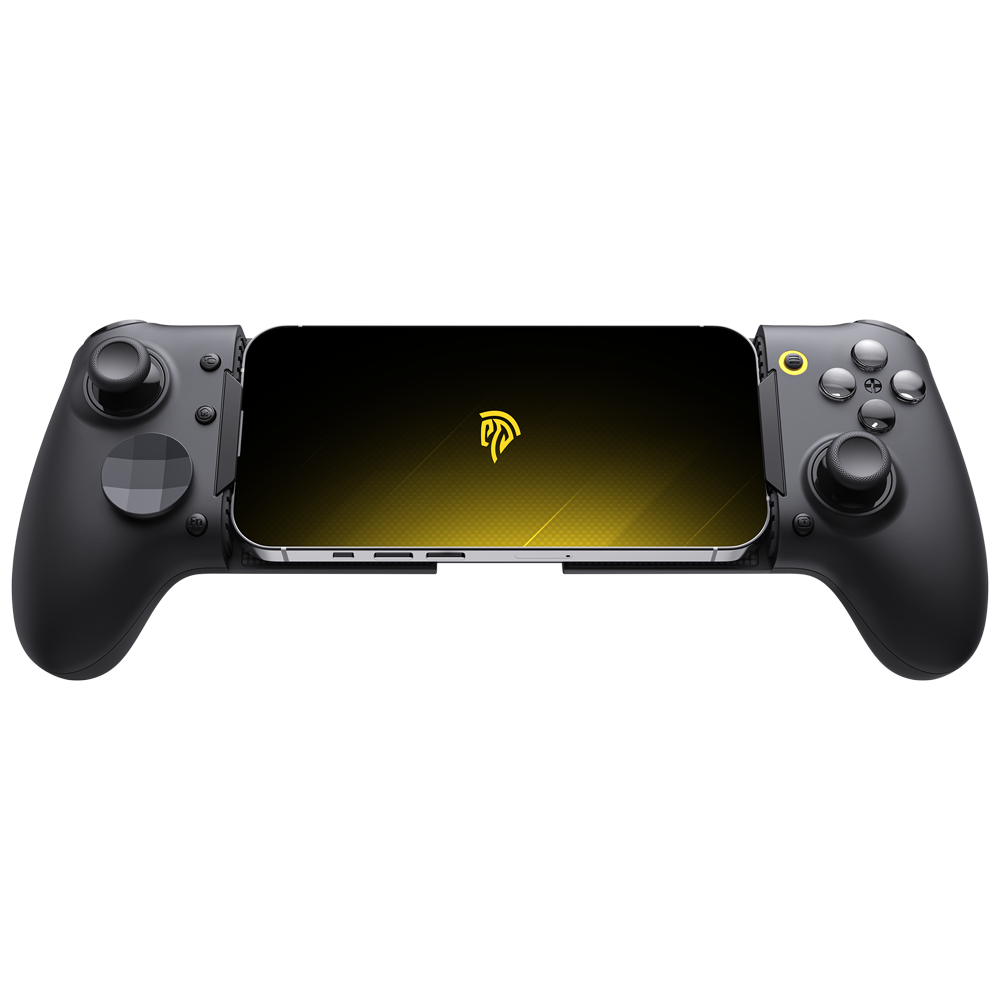
Hall Effect joysticks take a fundamentally different approach. Instead of physical contact, they use a small magnet attached to the joystick shaft and a magnetic sensor (the Hall Effect sensor) mounted on the circuit board below. As you move the stick, the magnet shifts position, and the sensor detects changes in the magnetic field to calculate exactly where the stick is pointing. There’s no touching, no rubbing, no grinding of materials against each other.
Think of it this way: a standard joystick is like dragging a pencil across paper—eventually the paper wears thin and the pencil dulls. A Hall Effect joystick is more like hovering your hand over a motion detector—it reads your position without ever making contact, so nothing degrades. This contactless principle is what gives Hall Effect technology its core advantages in gaming peripherals, and understanding this distinction is essential before evaluating how each performs where it matters most: in the heat of gameplay.
2. The Performance Showdown: Precision, Durability, and Responsiveness
2.1 Precision and Accuracy
Every joystick has a dead zone—a small area around the center where movement isn’t registered. With standard potentiometer joysticks, these dead zones tend to grow over time as the resistive track wears unevenly. What starts as a tight, responsive stick gradually becomes one that requires more deliberate input before your character actually moves. For mobile FPS and battle royale players, this creeping imprecision can mean the difference between landing a headshot and whiffing entirely. Hall Effect joysticks maintain their factory-calibrated dead zones indefinitely because nothing is physically degrading inside. The magnetic field readings remain consistent whether you’re on day one or day one thousand, delivering the same pinpoint accuracy across the stick’s entire range of motion. In aim-intensive genres, that consistency translates directly into reliable muscle memory and more confident engagements.
2.2 Durability and Longevity
Stick drift—the infamous phenomenon where your joystick registers input even when you’re not touching it—is the number one complaint among controller owners. In standard joysticks, it’s essentially inevitable. The carbon-based resistive tracks and metal wipers grind against each other with every input, producing microscopic debris that corrupts the signal over time. Most standard joysticks begin showing drift symptoms somewhere between 400 and 800 hours of use. Hall Effect joysticks sidestep this problem entirely. With no physical contact occurring during operation, there’s nothing to wear down, no debris to accumulate, and no degradation path that leads to drift. For gamers who want a controller that performs identically after two years of daily use as it did out of the box, this contactless design delivers exactly that kind of long-term reliability without requiring replacement parts or recalibration.


2.3 Responsiveness and Polling Rate
Polling rate—how frequently your controller sends position data to your device—matters enormously in fast-paced gaming. Both standard and Hall Effect joysticks can support high polling rates, so the raw speed of data transmission isn’t where they fundamentally differ. The real advantage of Hall Effect sensors lies in signal cleanliness. Because potentiometer-based sticks rely on physical contact that can introduce electrical noise, especially as components age, their output signal can become jittery or inconsistent. Hall Effect sensors produce a smooth, stable analog signal from the magnetic field reading, meaning the data your phone receives is cleaner and more predictable. This translates to smoother camera movements, more linear aim adjustments, and fewer micro-stutters in stick response during intense gameplay moments.
3. Practical Considerations for the Mobile Gamer
3.1 The Ecosystem: Controllers and Charging Docks
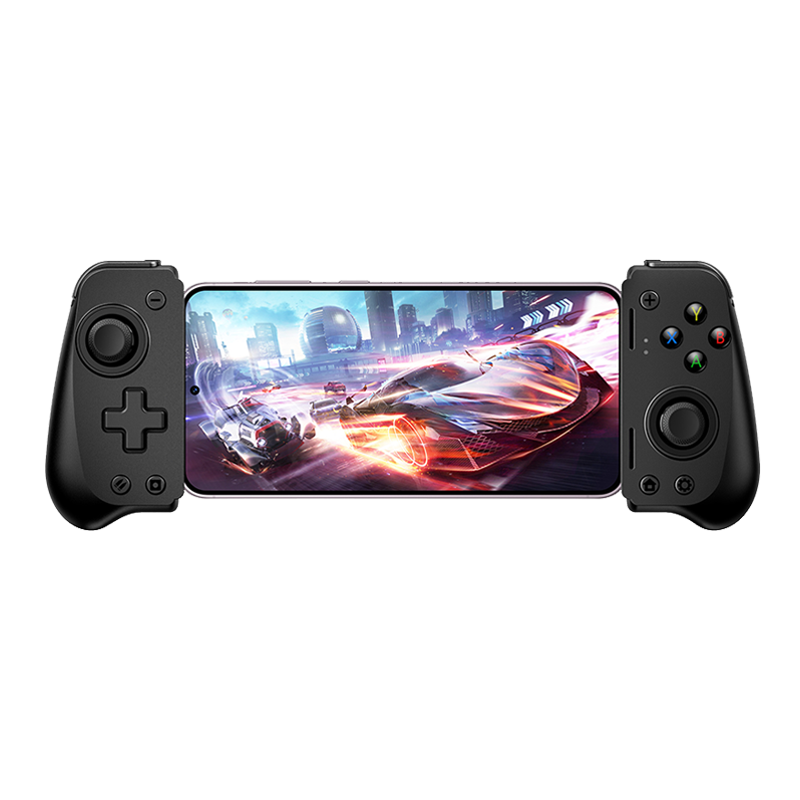
A serious mobile gaming setup extends beyond the controller itself. Brands like EasySMX that produce Hall Effect controllers often invest in complete ecosystems that include accessories like a charging dock, carrying cases, and phone mounting solutions. A charging dock might seem like a minor convenience, but for gamers who play daily, having a dedicated spot to keep their controller topped off and ready eliminates the frustration of a dead peripheral mid-session. Brands that commit to advanced internal technology tend to also prioritize these quality-of-life features, building out product lines that work seamlessly together. If you’re assembling a premium mobile gaming station, look for manufacturers whose ecosystem approach signals long-term support and accessory availability.
3.2 Availability and Cost
Hall Effect joysticks currently occupy the premium tier of controllers for cell phone gaming. You’ll find them in specialized gaming peripherals rather than budget options at your local electronics store. Standard controllers with potentiometer sticks remain far more common and accessible across every price bracket. The cost difference is real—expect to pay a meaningful premium for Hall Effect technology. However, framing this as a pure expense misses the point. When a standard controller develops drift after a year and needs replacing, while a Hall Effect controller keeps performing flawlessly through year two and beyond, the long-term economics shift considerably. For competitive players who treat their gear as an investment in performance rather than a disposable accessory, the upfront cost makes financial sense over time.

3.3 Compatibility and Setup
From a connectivity standpoint, both technologies are invisible to your phone. Whether your controller uses potentiometers or Hall Effect sensors, it connects via Bluetooth or USB-C just the same. You won’t need special apps, drivers, or configuration steps unique to one technology over the other. The advanced sensing happens entirely inside the hardware, meaning your phone simply receives positional data regardless of how that data was generated internally. This makes upgrading straightforward—swap your old controller for a Hall Effect model and you’re immediately playing with no additional setup friction.
4. Making the Choice: A Buyer’s Guide for Tech-Savvy Gamers
4.1 Who Should Stick with a Standard Controller?
If you game casually on your commute, play primarily turn-based or puzzle titles, or simply don’t want to spend more than necessary on a peripheral you’ll use a few times a week, a standard potentiometer controller serves you well. These controllers are available everywhere, work reliably for moderate use, and deliver a perfectly enjoyable experience for players who aren’t chasing leaderboard rankings. If your gaming sessions rarely exceed a few hours weekly, you’ll likely replace your phone before stick drift ever becomes noticeable.
4.2 Who Should Upgrade to a Hall Effect Controller?
If you’re the type who grinds ranked matches nightly, notices the slightest inconsistency in aim response, or has already replaced a controller due to drift, Hall Effect technology was built for you. The upgrade makes sense when precision directly impacts your results, when you play daily and need hardware that won’t degrade under heavy use, and when you view gaming peripherals as long-term performance tools rather than throwaway accessories. Competitive mobile gamers who invest in high polling rate controllers, custom button mappings, and dedicated setups will find that Hall Effect joysticks complete that ecosystem with the reliability their playstyle demands. For tech-savvy players who refuse to let hardware be the weakest link in their chain, the choice is clear.
Why Hall Effect Joysticks Are the Future of Mobile Gaming Precision
The difference between standard and Hall Effect joysticks comes down to one fundamental principle: physical contact versus contactless magnetic sensing. That single distinction cascades into everything that matters to a mobile gamer—precision that doesn’t erode, durability that doesn’t have an expiration date, and signal quality that stays clean regardless of how many hours you’ve logged. Standard potentiometer joysticks remain functional, affordable, and widely available, making them a reasonable choice for players with moderate demands. But for anyone who has experienced the frustration of stick drift, who notices their aim degrading after months of use, or who simply refuses to accept planned obsolescence in their gear, Hall Effect joysticks represent the clear path forward. They are the durable, high-performance future of controllers for cell phone gaming—built to match the intensity of players who take their craft seriously. If mobile gaming is your competitive outlet and precision is non-negotiable, invest in the technology that won’t let you down when it matters most. Your gameplay deserves hardware that keeps up with your ambition.


University of Houston graduate with 5 years of blogging experience, excelling in content strategy, SEO, and audience engagement. Connect with me on LinkedIn.