NEWS
Signs Your HVAC System Needs Professional Attention Now

Key Takeaways
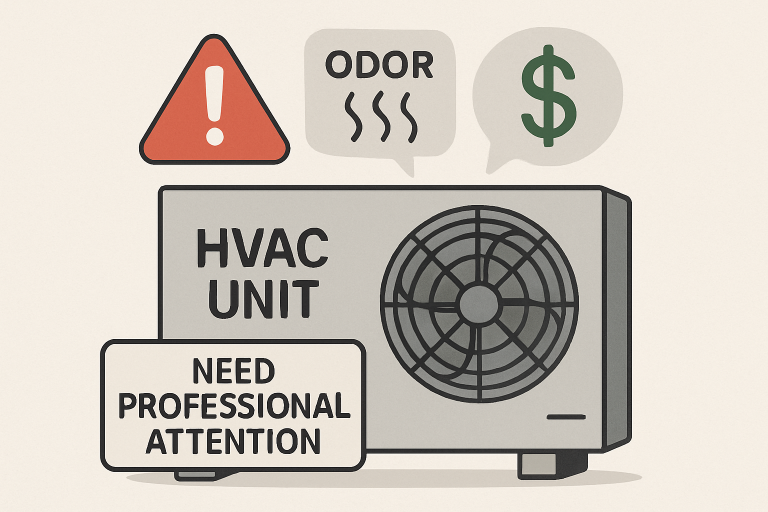
- Recognize early warning signs—unusual noises, weak airflow, unexpected bills, and odd smells are red flags.
- Prompt action protects both equipment and indoor air quality.
- Both commercial and residential systems benefit from routine professional maintenance to prevent costly breakdowns.
- Don’t ignore your HVAC’s age; replacement may be the most cost-effective solution after 10–15 years.
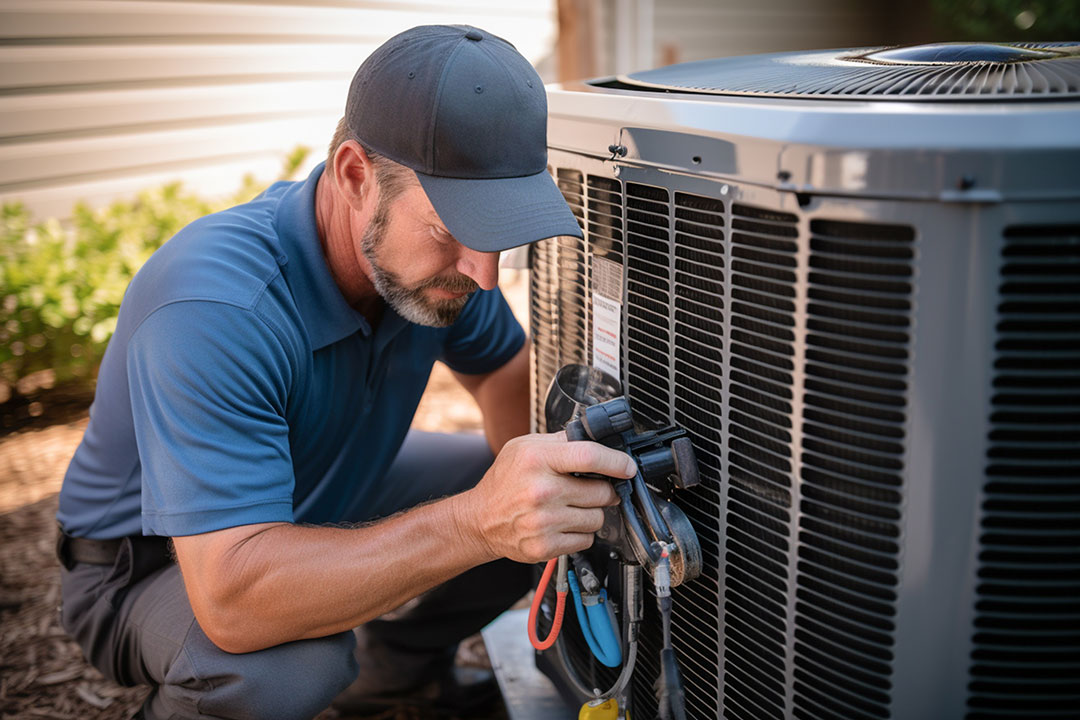
Your HVAC system serves as the backbone of your indoor comfort, tirelessly delivering warmth during the coldest months and cool relief during the heat of summer. But as with any mechanical system, time and usage eventually take their toll. Spotting issues early can save you from unexpected breakdowns, higher energy costs, and more extensive repairs down the line—making regular inspections and quick responses essential. If you manage a property or business, your comfort and operational efficiency rely even more on a well-functioning system. That’s why you should consider expert help like commercial AC repair Massachusetts at the first sign of trouble.
Preventative HVAC care isn’t just about avoiding discomfort; it’s an investment in your property’s value and your own peace of mind. Ignoring developing problems can snowball into major malfunctions, which can lead to longer periods of downtime—and often more expensive repairs or total replacement. Recognizing the warning signs means you can act decisively before these issues escalate.
Why It’s Important to Address HVAC Issues Promptly
Delaying professional attention puts your comfort, air quality, and monthly budget at risk. According to the U.S. Department of Energy, routine HVAC maintenance can help lower your energy bills and extend the lifespan of your equipment. More importantly, prompt repairs help preserve indoor air quality and reduce the chances of larger component failures.
Unusual Noises
While most HVAC systems emit a low, steady hum, any sudden appearance of loud banging, grinding, or hissing sounds is cause for concern. These noises often signal loose or broken components, motor failures, or hidden refrigerant leaks. Early intervention can often resolve these issues before they lead to catastrophic system failure or the need for a costly replacement.
Weak or Inconsistent Airflow
Notice some rooms too hot and others uncomfortably cold, even when your thermostat is set correctly? Uneven airflow can result from a clogged air filter, obstructed air ducts, or a malfunctioning blower motor. Addressing these airflow imbalances promptly helps maintain consistent comfort throughout your property, which is essential for both residential and commercial environments.
Rising Energy Bills
If your energy bills are increasing without a corresponding uptick in usage, your HVAC system could be losing efficiency. Leaky ductwork, dirty coils, or worn-out components can each force your unit to expend more energy to achieve the same results. Identifying and correcting these problems quickly can deliver dramatic long-term savings, particularly for large buildings or multi-unit properties.
Strange Odors
Your HVAC system should never create unpleasant smells. Musty or earthy odors typically indicate mold or mildew, which can pose health hazards, especially for those with allergies or respiratory issues. Burning or electrical smells, meanwhile, can point to severe wiring or motor problems, creating fire risks. Both situations demand prompt professional evaluation.
Frequent Cycling
Short-cycling—when your unit frequently turns on and off—puts extra strain on the system, driving up energy use and wear-and-tear. Faulty thermostats, improper unit sizing, or low refrigerant levels are common causes. A professional can diagnose and resolve these factors, preventing long-term damage.
Visible Leaks or Moisture
Pooled water around your HVAC unit or frost/ice on components is never a good sign. Problems with your drain lines or a refrigerant leak can rapidly lead to both system deficiencies and indoor air quality issues. If you spot moisture where it shouldn’t be, don’t wait—contact a technician right away.
Inaccurate Thermostat Readings
When your thermostat settings no longer align with actual room temperatures, the issue could be a faulty sensor or a miscalibrated unit. This not only disrupts comfort but also drives unnecessary heating or cooling cycles, further hiking your utility bills. Accurate thermostat function is critical to efficient operations and occupant comfort.
Age of the System
Most HVAC systems are designed to last 10 to 15 years. As your equipment approaches or exceeds this range, repairs can grow more frequent and expensive while energy efficiency suffers. Upgrading to a modern, high-efficiency system at this point can lower ongoing maintenance costs and significantly reduce energy consumption.
Regular Maintenance and Professional Help
Staying on top of annual inspections, filter replacements, and scheduled cleanings can help spot problems before they escalate. Partnering with an experienced technician ensures that repairs are done correctly the first time, keeps warranties valid, and, most importantly, safeguards occupant health and safety throughout the process.
Conclusion
Addressing HVAC issues early is one of the most effective ways to protect comfort, efficiency, and indoor air quality. Warning signs such as unusual noises, weak airflow, rising energy bills, and visible leaks often indicate problems that can worsen quickly if ignored. Regular maintenance and timely professional repairs help prevent costly breakdowns, extend the system’s lifespan, and ensure safe, consistent performance. By responding promptly to these indicators, property owners can reduce long-term expenses, promote healthier indoor environments, and ensure their HVAC systems operate reliably throughout the year.