
NEWS
How to Get Ready for Your First Driving Lesson

Key Takeaways
- Review the Highway Code to familiarize yourself with road rules and signs.
- Wear comfortable clothing and appropriate footwear for safe driving.
- Always bring your provisional license and any necessary vision aids.
- Prioritize rest and a balanced diet before your lesson.
- Foster open communication with your instructor for a supportive learning environment.
Embarking on your first driving lesson marks a significant milestone in your journey toward independence and mobility. While the anticipation can bring some nervousness, preparing in advance can help ease your anxiety and ensure you make the most out of your session. If you’re in the Boston area, consider scheduling your driving lessons Boston with a reputable school to get the best start. The tips below are designed to guide you smoothly through this new experience and boost your confidence behind the wheel.
Learning to drive involves more than just understanding how to operate a vehicle; you’ll also need to familiarize yourself with local road laws, communicate with your instructor, and manage your own nerves. Preparation plays a key role in your ability to absorb new skills, respond to instructions, and start your learning on the right foot. This comprehensive guide brings together expert advice to ensure your first outing is both productive and positive.
It can be helpful to remember that everyone feels a little unsure when they first sit in the driver’s seat. By planning and organizing what you’ll need, you’ll minimize surprises and set yourself up for a smoother experience. Confidence and calmness are skills you can nurture, even before your lesson officially begins. Investing time in early preparation demonstrates your commitment and ultimately helps you progress faster in your driving education.
Review the Highway Code
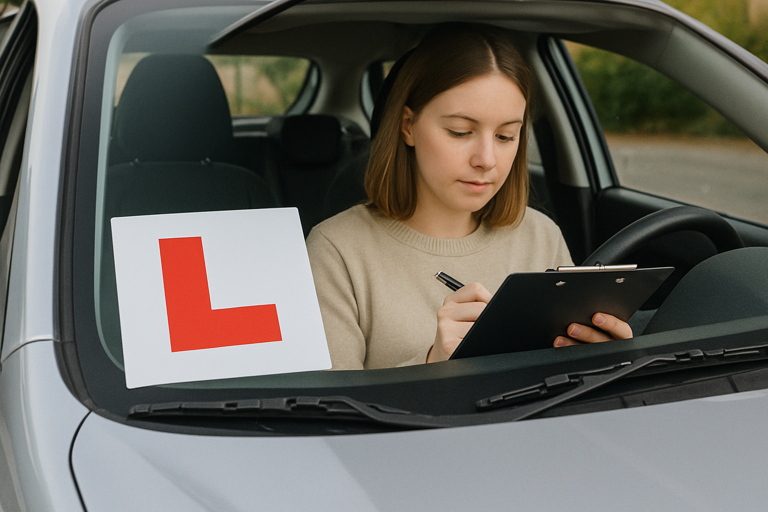
One of the most effective ways to build confidence before your first lesson is to study the Highway Code. This resource serves as your guide to understanding the rules of the road, common traffic signs, and appropriate responses to various traffic situations. A solid grasp of the Highway Code will not only make you feel more capable but will also give your instructor a strong foundation to build on.
Dress Appropriately
Your choice of clothing can significantly impact your comfort and ability to drive safely. Opt for breathable, loose-fitting attire that allows you freedom of movement, particularly around your legs and arms. Footwear should be flat and have a thin sole—trainers or sneakers work best. Avoid shoes such as high heels, flip-flops, or boots with thick soles, as they can make it difficult to accurately control the pedals, which is crucial for safe driving. Wearing the right gear shows respect for the process and helps you stay focused during your lesson.
Bring Necessary Items
On the day of your lesson, ensure you bring your provisional driving license, as this is legally mandatory for all learner drivers in the UK and many other countries. If you require glasses or contact lenses for optimal vision, ensure you have them with you to meet the safe driving standards. Other helpful items include a bottle of water to stay hydrated and a notepad, should you wish to jot down important points or specific feedback from your instructor. Packing a small bag ahead of time helps you avoid last-minute stress and shows your instructor that you’re organized and ready to learn.
Get Enough Sleep
Being well-rested is one of the most important things you can do to ensure a successful lesson. Lack of sleep can impair your ability to concentrate, react quickly, and process new information. Aim for at least seven to eight hours of quality sleep the night before your lesson. Establishing a sleep routine leading up to your lessons can also help you perform at your best every time you hit the road.
Eat a Light Meal
Fueling your body properly can have a big impact on your focus and comfort during your lesson. Eat a light, nutritious meal about an hour beforehand to prevent hunger pangs or sluggishness. Heavy, greasy foods can leave you feeling tired, while adequate hydration helps support mental alertness. Strike a balance by having something easy to digest and bringing water with you. Also, keep caffeine to a minimum, as it can trigger nervousness for some people.
Arrive Early
Arriving promptly at your designated meeting point, ideally at least 10 minutes early, gives you time to gather your thoughts and avoid feeling rushed. Punctuality demonstrates that you take the lesson seriously and allows your instructor to start right on schedule. Use this time to review any notes, relax, and mentally rehearse what you want to focus on during the session. If you’re using public transportation, plan your route or set off early to account for possible travel delays.
Communicate with Your Instructor
Open communication is key to a positive learning experience. Don’t hesitate to share your concerns, ask questions, or inform your instructor if you’re feeling nervous—their job is to support you in becoming a safe and competent driver. Discuss your goals for the lesson and clarify any expectations so you’re both on the same page. Experienced instructors are adept at adjusting their teaching style or pacing to match your comfort level, so be honest about what you need.
Stay Relaxed
First driving lessons can bring butterflies, but remember—feeling a bit anxious is perfectly normal. Try relaxation techniques such as taking deep, controlled breaths or listening to calming music en route to your lesson. Remind yourself that learning anything new involves mistakes and that your instructor will guide you with patience. Keeping stress in check not only makes your first lesson more enjoyable but also helps you retain more information and respond more calmly to unexpected situations.
Your first driving lesson is an exciting opportunity to build new skills and develop the confidence you’ll carry on all your journeys. By preparing thoughtfully and embracing the learning process, you’ll set yourself up for a successful experience and safe driving habits for life.
Final Thoughts
Your first driving lesson is a crucial step toward achieving independence, confidence, and safe driving. Preparation—ranging from reviewing the Highway Code to dressing appropriately, bringing necessary items, and arriving early—lays the foundation for a positive experience. Prioritizing rest, nutrition, and open communication with your instructor helps you stay focused and comfortable while driving.
Remember that feeling nervous is normal, and each lesson is a chance to build skills gradually. With thoughtful preparation and a calm mindset, you’ll maximize learning, develop good habits, and set yourself up for long-term success on the road. Scheduling your driving lessons in Boston with a reputable school ensures expert guidance and a strong start to your journey.