
Education
Project-Based Learning: Transforming Education for the 21st Century


In today’s rapidly changing world, education systems are shifting towards more dynamic teaching techniques, and Project-Based Learning (PBL) stands at the forefront of this transformation. By immersing students in hands-on, real-world projects, PBL cultivates critical thinking, problem-solving abilities, and collaborative skills, powerful assets for lifelong success. Institutions such as the top-rated charter school located in Sandy, Utah, showcase the potential of integrating this approach within modern classrooms, fostering meaningful educational experiences that extend far beyond traditional rote memorization.
As industries demand adaptable, innovative thinkers, PBL is increasingly recognized as a pathway not only to academic excellence but also to workplace readiness. This instructional method actively engages students in relevant projects, with the curriculum directly connecting to authentic challenges and future career skills.
What Is Project-Based Learning?
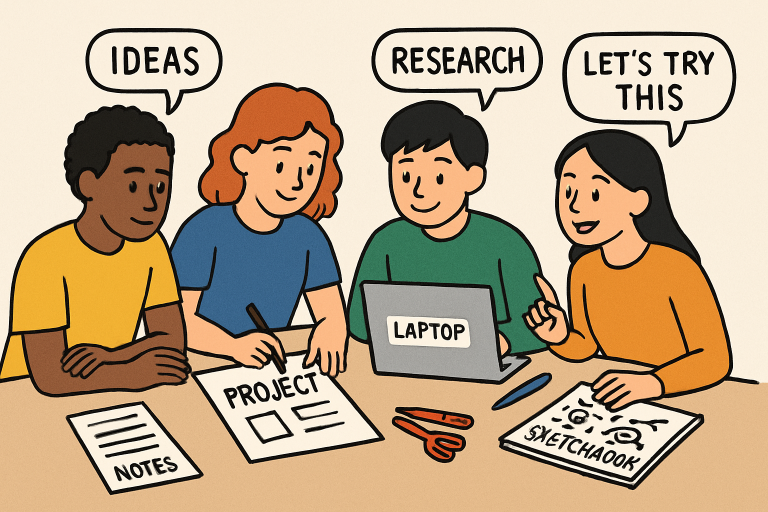
Project-based learning is an innovative teaching strategy in which students gain deep knowledge through projects that require active exploration and sustained inquiry. Unlike traditional assignments, these projects pose open-ended questions or complex problems that students investigate over time. The process encourages students to conduct research, collaborate with peers, and apply learning to produce authentic solutions or products.
Through this immersive journey, students not only acquire subject content but also hone skills such as self-management, communication, and adaptation. Teachers act as facilitators, guiding learners to reflect on their process, learn from missteps, and celebrate achievements.
Benefits of PBL
- Enhanced Engagement: Bringing real-world relevance to academic topics heightens student motivation and investment. When learners see the impact of their efforts, their enthusiasm for discovery grows.
- Development of Critical Skills: PBL nurtures essential skills such as critical thinking, teamwork, creativity, and effective communication. The collaborative aspect allows learners to tackle challenges together and value diverse perspectives.
- Improved Academic Performance: Evidence suggests that students exposed to project-based learning consistently outperform those taught through conventional lectures. According to a groundbreaking study, students in PBL Advanced Placement classes scored up to 10 percentage points higher on national exams compared to their peers.
- Greater Retention and Transfer: Because PBL involves applying concepts to practical scenarios, students are more likely to remember what they’ve learned and use it in new contexts.
Implementing PBL in Classrooms
Making PBL successful requires thoughtful planning and intentional design. Educators benefit from outlining specific learning objectives that align with established curriculum standards. Projects should be purposeful, addressing topics that are meaningful to students and tied to community or global issues.
- Define Clear Objectives: Each project should be anchored by explicit goals that ensure learning remains focused and standards are met.
- Design Meaningful Projects: Select challenges that are relevant to students’ interests and current events, inspiring curiosity and real investment.
- Facilitate Collaboration: Encourage teamwork where each member contributes their strengths, with teachers offering feedback and support throughout.
- Assess Progress: Use formative and summative assessments, such as presentations, portfolios, or self-evaluations, to gauge and guide student growth.
Technology and PBL
Digital tools have expanded the possibilities for project-based education. Online research resources, collaborative platforms, and interactive media enable students to explore topics in depth, collaborate across distances, and present findings creatively. For instance, platforms like the Stanford Mobile Inquiry-based Learning Environment (SMILE) empower students to design, share, and evaluate complex questions, deepening their inquiry-driven learning and peer interaction.
Whether students are creating digital portfolios, collaborating via cloud-based tools, or presenting through multimedia, technology makes PBL accessible and engaging for diverse groups of learners. This integration prepares students to navigate and contribute to the digital workplaces of the future.
Challenges and Solutions
Despite its many strengths, PBL comes with implementation challenges. Classrooms often face time constraints, insufficient resources, or a need for new instructional skills. Addressing these hurdles requires both strategic planning and institutional support.
- Professional Development: Continual teacher training in project management, assessment strategies, and technology tools helps educators deliver high-quality PBL experiences.
- Resource Allocation: Schools should prioritize access to technology and materials needed for in-depth projects, partnering with communities and organizations when possible.
- Time Management: Creative scheduling, such as longer class periods or block scheduling, can support extended project work and reduce pressure on teachers and students alike.
Real-World Examples
Globally, educators are achieving outstanding results through project-based learning initiatives. The Khan Lab School in California, for example, features a student-centered model where interdisciplinary projects drive inquiry and mastery. Students take the lead in much of their own learning, blending science, arts, and humanities into transformative projects.
Similarly, schools across Europe, Asia, and the U.S. have found success by integrating local and global issues into their curricula—teaching students to conduct research, draft solutions, and present actionable projects to real audiences and industry partners.
Conclusion
Project-based learning is evolving education for the 21st century by empowering students to take charge of their knowledge, collaborate meaningfully, and tackle challenges with innovation and resilience. As more schools and teachers embrace this approach, today’s learners become tomorrow’s agile thinkers prepared to make a meaningful impact in both their communities and their future careers.