Business
Permit and Inspection Best Practices for Modern Building Projects

Key Takeaways
- Implementing digital solutions accelerates permit approvals and increases accuracy.
- Consistent training and communication empower teams to maintain regulatory compliance.
- Monitoring building code updates prevents costly project revisions and legal issues.
Successfully navigating the permit and inspection process is essential for every construction project, whether it involves a small renovation or a major new development. Modern building projects require more than just submitting forms and waiting for approvals. Today’s best practices focus on efficiency, transparency, and collaboration to help teams overcome obstacles and avoid costly delays. Guidance from specialized permit expediters, such as Burnham Nationwide, can be instrumental in streamlining these processes and ensuring smooth project delivery.
Streamlining compliance with current building codes is crucial for a project’s success. Digital tools, strong communication, and ongoing education all help avoid rework and safeguard project timelines. Taking a proactive approach to documentation and relationship-building with regulatory authorities will further reduce bottlenecks and enhance accountability across all project phases.
Technology adoption, such as digital permitting systems and virtual inspections, has revolutionized how contractors and developers manage the permitting process. Staying informed about the latest changes in local building codes is another cornerstone for avoiding surprises that can lead to project shutdowns or fines.
As the construction industry continues to evolve, aligning with these best practices is key to navigating regulatory challenges and supporting successful project outcomes.
Digital Permitting Systems
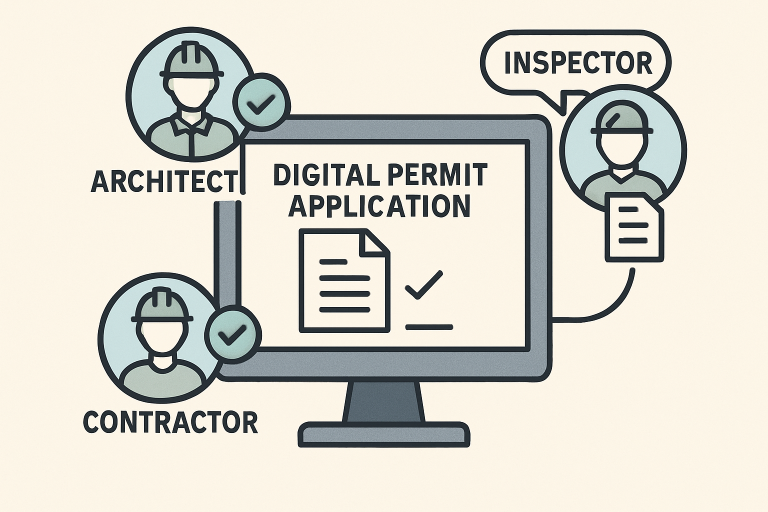
The widespread shift toward digital permitting platforms is one of the most significant transformations in construction administration today. Online submission systems offer clear benefits by reducing timelines, minimizing paperwork, and enabling stakeholders to track their permit applications in real time. Municipalities such as San Francisco’s Department of Building Inspection have pioneered initiatives, such as fully electronic plan reviews, that drive efficiency and reduce costly errors. These platforms not only decrease administrative burden but also improve accuracy by reducing manual entry mistakes. Digital permitting is reshaping how fast and securely documents and approvals are managed for both public and private projects.
Regular Training and Communication
Maintaining a well-informed, cohesive team is pivotal to compliance with ever-changing regulations. Continuous training ensures that everyone involved in the permitting and inspection process understands their responsibilities and is up to date with current procedures. Clear communication channels between project managers, architects, contractors, and inspectors can prevent misunderstandings that often lead to project hold-ups. Establishing standardized protocols for sharing updates and changes helps teams respond swiftly to new challenges, reducing both administrative errors and on-site downtime.

Staying Updated with Building Codes
Construction codes and standards are continually revised at the national, state, and local levels. Keeping up to date is critical to avoid delays caused by noncompliance or the need to revise already-approved plans. For example, recent changes to New York City’s building code have introduced new definitions and criteria, impacting safety standards and building classifications. Being proactive about code changes by subscribing to updates from reliable industry news sources will give teams a competitive edge and help maintain swift progress.
Utilizing Remote Inspections
Innovative technology has allowed for remote virtual inspections (RVIs), which became especially important during the COVID-19 pandemic. RVIs enable projects to move forward even when access to a physical site is limited. Counties like Broward, Florida, have adopted remote inspection procedures for various project types, using live video feeds to allow inspectors to review work in real time from a distance. This method is effective for expediting project schedules and alleviating logistical challenges, especially for sites located far from city offices or during emergency situations.
Integrating BIM for Plan Reviews
Adopting Building Information Modeling (BIM) during the plan review process provides stakeholders with a detailed, digital model of building features. BIM integration streamlines reviews by highlighting potential conflicts, reducing the frequency of unexpected design changes, and making compliance checks easier. This approach also improves visualization, helping inspectors and review boards understand the unique aspects of each project and contributing to greater accuracy in final approvals.
Collaborating with Authorities
Success in permitting and inspections often depends on constructive, proactive relationships with local authorities. Engaging regulators early in the process encourages open dialogue, accelerates issue resolution, and can provide essential guidance on regulatory requirements. Setting up regular check-ins and asking for feedback can prevent miscommunications and help projects avoid unnecessary delays during both permitting and inspections.
Documenting Every Step
Comprehensive documentation ensures that all phases of the permit and inspection process are transparent and traceable. Diligent record-keeping provides a clear reference in the event of disputes, questions about compliance, or requests for additional information from inspectors or owners. Leveraging digital systems for documentation also creates easily searchable and shareable records, further facilitating collaboration and accountability.
Conclusion
Implementing these best practices for permitting and inspections is key to delivering timely, successful modern building projects. By integrating digital solutions, focusing on regular training, staying ahead of code changes, and fostering cooperation among all project stakeholders, construction professionals can reduce delays, improve compliance, and ensure consistently smooth project progression.

