
Latest News
Optimizing Efficiency: How Outsourcing Essential Services Creates a Strategic Edge

The Evolution of Outsourced Business Services in the Workplace
Workplace amenities have undergone a significant transformation, moving far beyond the simple water cooler. In today’s dynamic business landscape, facility management extends to creating environments that foster productivity, well-being, and employee satisfaction. This evolution is particularly evident in how organizations approach breakroom solutions. Historically, the workplace refreshment landscape was dominated by traditional vending machines, offering a limited selection of snacks and beverages behind glass.

These early vending setups, while convenient for their time, often reflected a more utilitarian approach to employee amenities. As corporate culture shifted towards prioritizing employee experience and wellness, so too did the demand for more sophisticated and varied refreshment options. The rise of hybrid work models and a greater emphasis on talent attraction and retention have further accelerated this change. Businesses now recognize that providing appealing, convenient, and healthy food and drink options is not merely a perk but a strategic investment in their workforce.
This recognition has led to a growing trend of integrating comprehensive outsourced business services into facility management. Rather than managing refreshment programs in-house, which can be resource-intensive, many organizations are turning to expert providers. These providers bring innovation, technology, and a broader range of solutions, including outsourced vending and micro-markets. This shift allows companies to focus on their core operations while ensuring their employees have access to high-quality amenities that align with modern workplace expectations and amenity trends. The integration of these services is about creating a seamless, elevated experience that supports a thriving workplace culture.
Comparing Vending Machines and Micro Markets
When considering refreshment solutions for a modern workplace, the choice often comes down to traditional vending machines or the more contemporary micro markets. While both offer self-service convenience, they present distinct advantages and cater to different organizational needs. Understanding these differences is crucial for making an informed decision that aligns with an organization’s goals for employee satisfaction, operational efficiency, and potential revenue generation.
Traditional vending machines are self-contained units that typically offer a selection of 30 to 60 items, primarily packaged snacks and bottled drinks. They are ideal for locations with limited space and consistent, but not necessarily high, foot traffic. The user experience is straightforward: select an item, pay, and retrieve. While modern vending machines have evolved to include cashless payment options and even some smart features, their fundamental design remains focused on quick, individual transactions from an enclosed system. They require minimal footprint and are relatively easy to install and maintain, making them a practical choice for smaller offices, waiting rooms, or areas where quick access is paramount.
Micro markets, on the other hand, represent a significant leap forward in workplace refreshment. They transform a breakroom into a mini convenience store, featuring open shelving, refrigerated coolers, and freezers. This open concept allows for a much broader product selection, including fresh items like salads, sandwiches, wraps, fruits, and yogurt, as well as traditional snacks and beverages. The sheer number of SKUs available in a micro market can range from dozens to hundreds, offering employees a far greater selection.
The user experience in a micro market mimics a retail store. Employees can browse items, read labels, and select multiple products before checking out at a self-service kiosk. This “grab-and-go” convenience and open-shelf browsing encourages larger purchases and a more satisfying shopping experience. The average transaction value in micro markets is often significantly higher than in traditional vending machines, with some reports indicating values 30% to 50% higher. This increased engagement and broader product offering can lead to greater revenue potential for operators and more diverse options for employees.
From an investment perspective, traditional vending machines typically require a lower initial capital outlay. A single combo vending machine might cost a few thousand dollars. Micro markets, being more comprehensive setups with kiosks, refrigeration units, and shelving, naturally involve a higher initial investment, often starting at a significantly greater amount. However, this higher investment is frequently offset by a faster time to break even and higher average monthly profits per customer, as micro markets can generate substantially more sales.
Here’s a comparison to highlight the key differences:
Feature Traditional Vending Machines Micro Markets Concept Enclosed, automated dispensing of single items Open-shelf, self-service retail store experience Product Variety Limited (30-60 items), mostly packaged snacks/drinks Extensive (dozens to hundreds of SKUs), including fresh food, healthy options, and sundries Footprint Compact, individual machines Requires more space for shelving, coolers, and kiosk User Experience Transactional, select and dispense Browsing, selecting multiple items, self-checkout Transaction Value Lower Significantly higher (30-50% more) Initial Investment Lower Higher Break-Even Time Longer Shorter Payment Cash, card, mobile pay (often limited) Cashless (card, mobile pay, prepaid accounts) via self-service kiosk Security Enclosed, less prone to direct theft Open access, relies on cameras, payment systems, and trust Ideal Locations Smaller offices, waiting rooms, gyms, schools Large offices, corporate campuses, manufacturing facilities, hospitals The choice between a vending machine and a micro market depends on the specific environment, employee count, available space, and the desired level of amenity. For organizations seeking to elevate their breakroom experience, offer a wider range of fresh, healthy options, and foster a more engaging environment, micro markets offer a compelling, modern solution.
Strategic Implementation of Refreshment Solutions
Implementing the right refreshment solution is more than just providing snacks; it’s a strategic move that impacts various aspects of an organization, from employee morale to overall productivity. Outsourcing these services allows businesses to leverage expert knowledge and infrastructure, ensuring a seamless and beneficial integration into the workplace.
Maximizing Productivity with Outsourced Business Services
A well-designed breakroom with convenient and appealing refreshment options can significantly contribute to employee retention and morale. When employees have easy access to a variety of food and beverage choices, they are less likely to leave the premises for meals or snacks, saving time and reducing disruptions to the workday. This on-site convenience translates directly into increased productivity. Instead of spending valuable time commuting to external eateries, employees can enjoy their breaks efficiently, returning to their tasks refreshed and re-energized.
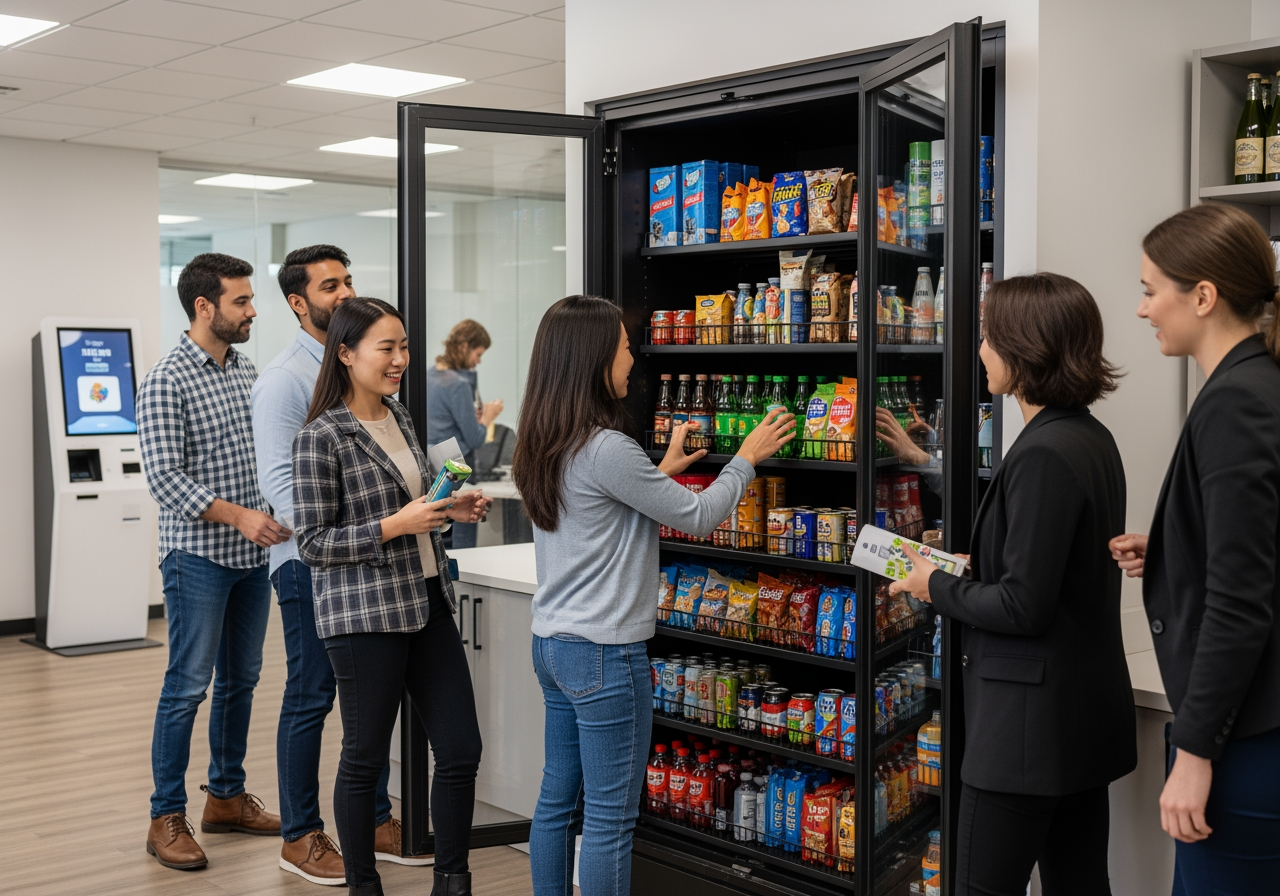
Micro markets, in particular, excel at creating a positive impact. Their open layout and diverse product offerings foster a more relaxed and enjoyable break experience, akin to a small cafe. This enhanced environment can boost employee satisfaction, making them feel valued and appreciated. In competitive talent markets, providing high-quality on-site amenities becomes a powerful tool for attracting and retaining talent. Businesses in the DFW area, for instance, are increasingly recognizing the strategic advantage of offering modern breakroom solutions to stand out. By outsourcing these services, organizations can ensure these amenities are professionally managed, regularly stocked, and tailored to their specific workforce needs, maximizing their positive impact without adding to internal operational burdens.
Promoting Health via Outsourced Business Services
Beyond convenience, modern refreshment solutions play a vital role in promoting health and wellness within the workplace. With a growing emphasis on employee well-being, providing access to fresh, nutritious food options is no longer optional but essential. Traditional vending machines, while improving, often have limitations in offering perishable healthy items. This is where micro markets truly shine.

Micro markets can stock an extensive range of healthy options, including fresh fruits, salads, yogurts, lean protein snacks, and whole-grain options. This wide nutritional variety empowers employees to make healthier choices throughout their workday, supporting their dietary preferences and wellness goals. Many providers also offer customization options, allowing businesses to curate product selections that align with their specific corporate wellness initiatives or cater to particular dietary needs within their workforce. For example, a company might request a higher proportion of organic, gluten-free, or vegan options.
By partnering with an experienced provider, organizations can ensure their breakroom offerings actively contribute to a culture of health. These providers often have expertise in sourcing high-quality, fresh ingredients and managing inventory to minimize waste. This focus on healthy eating not only benefits individual employees but also contributes to a more vibrant and energetic workplace, potentially reducing sick days and improving overall employee performance. Promoting corporate health through thoughtfully curated refreshment options is a strategic investment in the long-term well-being of any organization, particularly in bustling regions like DFW.
Operational Efficiency and Technology in Modern Breakrooms
The operational efficiency of modern breakroom solutions, whether vending machines or micro markets, is largely driven by advanced technology. These innovations streamline management, enhance the user experience, and bolster security, making outsourced services a highly attractive option for businesses.
At the heart of these systems is sophisticated inventory tracking. Providers use remote monitoring and management software, often cloud-based, to track sales data in real time. This enables precise inventory management, ensuring popular items are always in stock and reducing instances of empty shelves or outdated products. This data-driven approach optimizes restocking schedules, minimizing the need for frequent, potentially disruptive on-site visits and ensuring the right products are available at the right time.
Cashless payments have become a standard feature, offering unparalleled convenience and security. Employees can pay for their selections using credit/debit cards, mobile wallets (like Apple Pay or Google Pay), or even pre-loaded company accounts. This eliminates the need for cash handling, reduces the risk of theft, and speeds up the checkout process.
Security measures are paramount, especially in the open-concept environment of micro markets. Advanced systems integrate 24/7 video surveillance, often with AI capabilities, to monitor activity. Encrypted payment systems protect sensitive financial information. For micro markets, strategies such as secure checkout kiosks and even “smart lock” coolers (which unlock only after payment is initiated or an account is verified) add layers of protection against loss. While shrinkage can be a concern in open environments, these technological safeguards, combined with the inherent trust in closed-loop environments such as corporate offices, significantly mitigate the risk.
The concept of “frictionless shopping” is a key technological advancement, particularly in micro markets. This refers to a seamless, effortless browsing and purchasing experience in which customers can freely pick up items and check out quickly without the traditional retail barriers. Smart coolers and AI-powered systems further enhance this by automatically detecting items removed and charging the user, often without manual scanning.
Remote monitoring extends beyond inventory to equipment performance. Providers can remotely diagnose issues, monitor temperature controls in refrigeration units, and receive alerts for any malfunctions. This proactive approach ensures fast response times and quick problem resolution, minimizing downtime and maintaining the quality of perishable items. The integration of these technologies into outsourced refreshment services allows businesses to offer cutting-edge amenities with minimal internal management, ensuring seamless operations and a consistently positive employee experience.
Frequently Asked Questions about Micro Markets and Vending
Navigating workplace refreshment options can raise several questions. Here, we address some of the most common inquiries regarding micro markets and vending machines.
What is the primary difference between a micro market and a vending machine?
The fundamental distinction lies in the shopping experience and product offering. A vending machine is an enclosed system that dispenses items after payment, typically offering a limited selection of pre-packaged goods. The interaction is brief and functional.
A micro market, conversely, transforms a breakroom into an open-concept retail space. It features shelves, refrigerated displays, and freezers, allowing employees to browse a much wider array of products, including fresh foods, healthy options, and various beverages, just like in a small store. Checkout is handled through a self-service kiosk, providing a more engaging and comprehensive retail experience. This open access and product diversity are the hallmarks that differentiate a micro market from the more restrictive nature of a traditional vending machine.
How do businesses ensure security in an open-market environment?
Security is a paramount concern for micro markets due to their open design. However, modern micro market solutions incorporate multiple layers of technology and operational practices to prevent theft and ensure secure transactions. These include:
- 24/7 Video Surveillance: High-definition cameras monitor the market area continuously, often with remote access for real-time oversight.
- Encrypted Payment Systems: All transactions are processed through secure, encrypted payment terminals, protecting sensitive credit card and mobile payment data.
- Self-Service Kiosks: These kiosks feature robust software that requires items to be scanned and paid for before a transaction is complete.
- Closed-Loop Environments: Micro markets thrive in controlled environments like corporate offices, where employees are known, and there’s an inherent level of trust.
- Tamper-Proof Equipment: Refrigeration units and shelving are designed to be durable and tamper-resistant.
- Data Analytics: Sales data and inventory tracking can help identify unusual patterns that might indicate potential issues.
While no system is entirely foolproof, the combination of these measures significantly deters theft and provides a secure, convenient shopping environment.
What are the maintenance requirements for these automated systems?
Outsourcing refreshment services means the provider handles the maintenance and management requirements, alleviating the burden on the business. For both vending machines and micro markets, providers are responsible for:
- Regular Restocking: Based on real-time inventory data and sales trends, products are replenished regularly to ensure availability and freshness. This is more common in micro markets due to their wider range of perishable items.
- Equipment Cleaning: Both vending machines and micro market fixtures (shelves, coolers, kiosks) require routine cleaning to maintain hygiene and appeal.
- Remote Monitoring: Providers continuously monitor machine performance, inventory levels, and refrigeration temperatures remotely. This allows for proactive problem-solving.
- Technical Support and Repairs: In the event of a malfunction, providers offer fast technical support and dispatch technicians for repairs, often with same-day or next-day service.
- Inventory Management: This includes managing product rotation, removing expired items, and introducing new products based on employee preferences and seasonal trends.
By entrusting these tasks to an experienced provider, businesses can ensure seamless operations, consistent quality, and a positive employee experience without diverting internal resources. This strategic alignment supports long-term growth and enhances the overall workplace culture.