
Business
Ocean Freight Consolidation: A Smart Strategy for Cost-Efficient Shipping

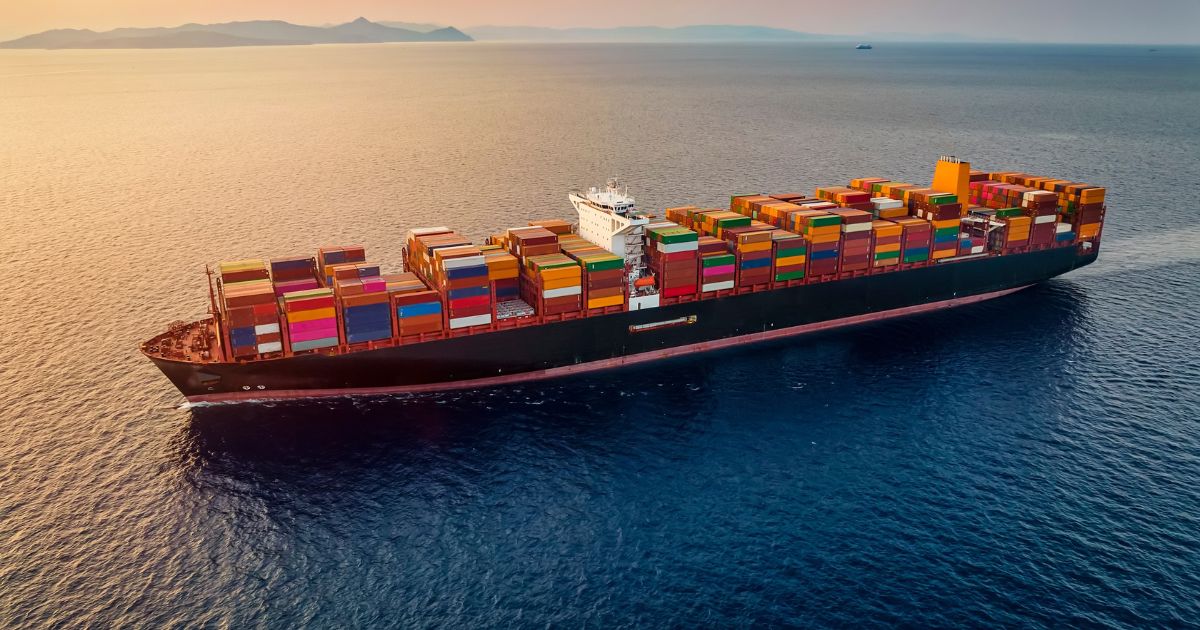
Understanding Ocean Freight Consolidation
In today’s rapidly evolving global economy, reducing transportation costs while maintaining reliability is vital for businesses striving to remain competitive. Ocean freight consolidation, sometimes called Less-than-Container Load (LCL) shipping, is a shipping model where companies combine their smaller cargoes into shared containers instead of paying for unused space in a full container. For shipments traveling long distances, such as Singapore to US ocean freight, this method offers a practical solution that balances affordability with flexibility.
This consolidation approach uses shared routes and schedules, letting shippers pay only for the space their products occupy. It’s ideal for businesses with variable inventory or unpredictable shipment volumes. The rise in global sourcing and e-commerce heightens the need for smarter shipping strategies. Freight consolidation helps by preventing overpayment for unused capacity and maintaining shipping frequency without excessive logistics costs expenses.
Key Benefits of Freight Consolidation
Freight consolidation offers significant advantages for shippers, primarily through cost savings, improved delivery efficiency, reduced risk of damage, and environmental benefits. Shippers can lower shipping costs by sharing container space with other businesses compared to full-container load rates, facilitating more predictable budgeting. Furthermore, consolidated cargo is often managed by seasoned freight forwarders who enhance route optimization, thereby reducing transit times and ensuring synchronized arrival of shipments, simplifying warehousing and fulfillment. Grouped shipments are also less prone to handling errors since they are carefully packed and optimally filled, minimizing claims and damaged goods. Additionally, this practice contributes to environmental sustainability by requiring fewer vessels to transport the same volume of goods, thus lowering the carbon footprint associated with shipping operations.
Implementing Freight Consolidation in Your Business
The document outlines a four-step approach to optimizing shipping needs through consolidation. The first step involves assessing current shipping needs by analyzing volume, frequencies, and destination points to determine the suitability of consolidation for cost and workflow savings. The second step emphasizes the importance of partnering with reliable freight forwarders with the necessary expertise in customs documentation, schedule coordination, and risk management to streamline processes. The third step advocates leveraging technology, specifically digital freight platforms that offer real-time tracking, analytics, and insights for consolidated scheduling to enhance visibility and resolve delays proactively. Finally, the fourth step stresses the need for strategic planning of shipments, encouraging businesses to align their schedules with consolidation cycles to maximize savings and avoid last-minute charges or delays—an especially critical practice for South Korea to US ocean shipping where efficiency and timing directly impact competitiveness. By following these steps, companies can achieve consistent cost control while strengthening supply chain reliability.
Challenges and Considerations
- Coordination Complexity: Combining shipments from several suppliers or business units often requires precise communication, meticulous scheduling, and effective documentation throughout the supply chain.
- Customs Compliance: All items in a consolidated shipment must comply with destination country regulations. Mistakes or discrepancies can result in costly delays or penalties.
- Potential Delays: Shipping relies on all cargo arriving at the consolidation point on schedule. If one supplier is late, the entire shipment may be held up, impacting delivery timelines and downstream commitments.
Conclusion
Ocean freight consolidation is a strategic option that empowers businesses to reduce transportation expenses, enhance operational agility, and support sustainability goals. Shippers can overcome the logistical hurdles associated with consolidation by understanding the underlying processes, carefully vetting partners, and planning with technology. As global trade continues to expand and diversify, companies adopting smarter consolidation practices will find themselves well-positioned for long-term cost savings and stronger market competitiveness.