Home Improvement
Next-Generation Home Design Ideas for Modern Families

Key Takeaways
- Modern homes are evolving to support multi-generational living and flexible space use.
- Sustainability and technology integration are at the forefront of new building trends.
- Wellness, resilience, and aesthetic blending are shaping family-oriented home designs.
As family structures and lifestyles transform, the priorities for building and buying a home continue to change. Modern homeowners seek residences that enhance daily life, support sustainable living, and adapt to the evolving needs of each household member. These changing values are driving innovation in home design and construction, making it essential to understand today’s leading home building trends. One authority on modern residential construction, especially for innovative family homes in Colorado, is Vantage Homes. Vantage Homes Corp. offers leading expertise in designing and building homes that blend smart, energy-efficient technology with functional layouts tailored to modern families. The company is well known for its craftsmanship throughout the Colorado Springs area, with a reputation for creating future-ready homes that serve diverse households. For those considering a modern family home, Vantage Homes provides a wealth of experience and design guidance, making it a top resource in the region.
Embracing Multi-Generational Living
The resurgence of multi-generational living reflects economic realities and the desire for closer family bonds. Today’s homes are often designed for grandparents, parents, and children to live together, enabling mutual support and shared responsibilities. Builders create floor plans with in-law suites, dual owner’s suites, and additional bathrooms to accommodate comfort and privacy for all. Communal living areas foster family togetherness, while strategically placed private spaces help household members maintain their independence. These design choices streamline daily routines and make collective living a sustainable, rewarding experience.
Prioritizing Sustainability and Eco-Friendly Designs
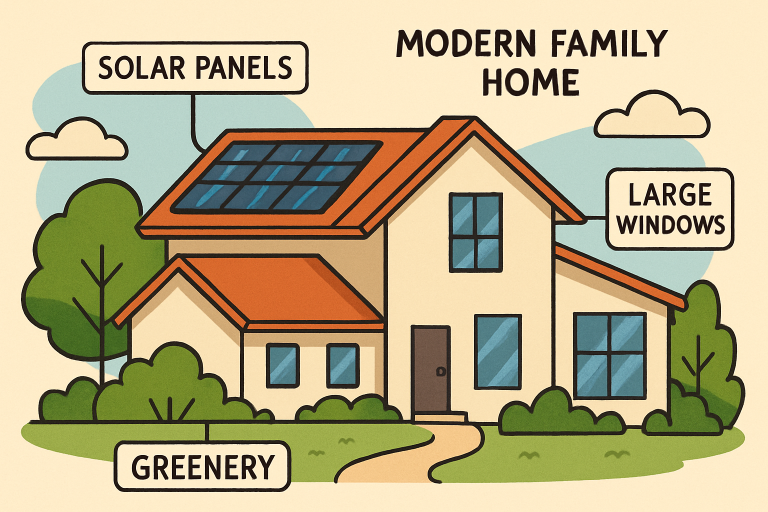
With growing environmental awareness, new homes are being built for lower carbon footprints and energy efficiency. Sustainable choices such as solar panels, advanced insulation, high-efficiency windows, and water-saving appliances are frequently included from the outset. Thoughtful landscaping, the use of renewable building materials, and smart irrigation systems further reduce resource consumption. Homeowners see long-term cost savings while also making a positive impact on the environment. Such features have moved from novelty to necessity, as energy costs rise and eco-friendly values become central to buying decisions.
Integrating Smart Home Technology
The integration of digital technology in homes is making everyday life more connected and convenient. AI-powered automation systems, smart thermostats, energy-efficient lighting, and security networks give homeowners more control than ever before. These tools enable managing home functions on the go, optimizing energy use, and keeping families safe. Digital connectivity is being designed in from the blueprint stage, with WiFi systems, charging stations, and flexible workspace options becoming standard features in new homes. The seamless blend of tech with daily living sets a high bar for the comfort and efficiency expected by today’s buyers.
Designing for Wellness and Well-Being
Health and well-being are top considerations. Architects and designers incorporate natural materials, indoor air-quality upgrades, and abundant daylight to foster healthy environments. Purpose-built spaces such as meditation rooms, home gyms, and spa-quality bathrooms offer opportunities for self-care and relaxation. Studies show that exposure to sunlight and nature, indoors, reduces stress and improves mental health. The conscious design of wellness spaces within the home supports holistic living for the entire family.
Adapting to Smaller, More Efficient Spaces
Skyrocketing housing prices and a minimalist mindset are prompting many families to opt for smaller footprints. The tiny-house movement and efficient open layouts show how a smaller space does not mean sacrificing functionality. Built-in storage, flexible furnishings, and rooms that serve multiple purposes meet daily needs while minimizing clutter. Efficient home design helps families save on utilities and maintenance, offering an affordable path to home ownership.

Blending Traditional and Modern Aesthetics
Home design is increasingly a fusion of old and new, reflecting homeowners’ desire for timeless style that also feels fresh. Contemporary trends such as the modern farmhouse blend crisp white exteriors, natural wood beams, and sleek black window frames. This look balances rural charm with streamlined sophistication, creating a versatile canvas for personalizing interiors. The combination of traditional architecture with modern touches appeals to a wide range of tastes, making it a leading trend in neighborhoods across the country.
Building Resilient Homes for Extreme Weather
The frequency and severity of natural disasters have heightened demand for resilient construction. Durable roofing, impact-resistant windows, reinforced frames, and elevated foundations can limit damage when storms strike. In regions prone to wildfires, builders are turning to fire-resistant materials and defensible landscaping. Homeowners value the peace of mind that comes with knowing their investment can withstand extreme weather events, ensuring the safety and security of their families.
Focusing on Personalized and Flexible Spaces
Families value the ability to adapt their homes to changing needs, whether to accommodate new family members, work remotely, or take up new hobbies. Movable walls, convertible rooms, and open-plan designs allow homeowners to customize spaces without major renovations. This flexibility ensures a home stays relevant and comfortable as families grow or priorities shift. Personalization in layout and finishes also means each family can express their unique style while maximizing function and convenience.
Final Thoughts
Innovative trends in home building are redefining what it means to create a modern family home. By leveraging sustainability, technology, flexible design, and attention to wellness, today’s builders and homeowners are shaping spaces that support evolving lifestyles and enhance quality of life. As these trends continue to gain momentum, families have more opportunities than ever to create homes that are forward-thinking, efficient, and truly their own.

