
HEALTH
Modern Dental Tech: Improving Patient Care and Oral Health

Key Takeaways
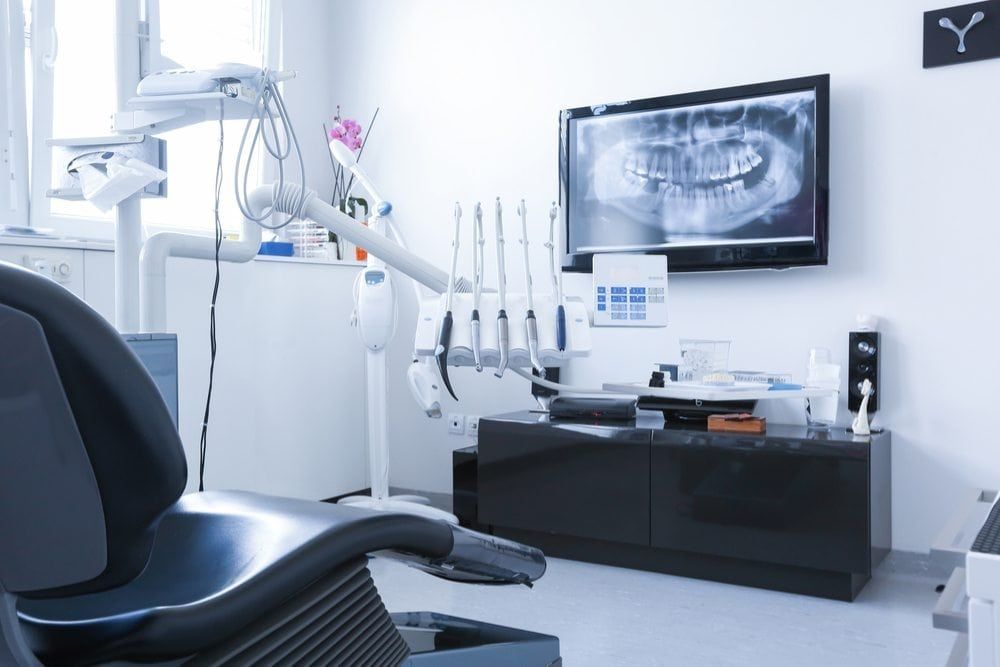
- Advancements in dental technology, such as AI and VR, are enhancing diagnostic accuracy and patient comfort.
- The integration of medical and dental care is improving overall health outcomes.
- Efforts to expand dental care access are addressing disparities in underserved communities.
Introduction
Dentistry is entering a transformative era, fueled by cutting-edge technologies and progressive care models. As new solutions reach the market and become staples of the modern practice, both patients and professionals witness improvements that stretch beyond the dental chair. For anyone seeking an innovative dentist, understanding these changes can open doors to better care and long-lasting oral health.
These developments not only enhance patient experiences and improve outcomes but also bridge the gap between dental and overall medical welfare. Today, the dental profession is leveraging everything from artificial intelligence to eco-friendly practices to ensure healthier futures for individuals and communities.
As we look more closely at these advancements, it becomes clear that the ripple effect extends to every corner of healthcare. Dentists, hygienists, and dental specialists are working to eliminate disparities while delivering care that seamlessly integrates with the broader health ecosystem.
Whether it’s through emergent innovative technologies or accessibility initiatives, today’s oral health landscape is characterized by dynamic change and heightened awareness of the interconnectedness of the body and the mouth. With patients better informed and more engaged, the dental field is transforming rapidly.
Advancements in Dental Technology
Artificial Intelligence (AI)
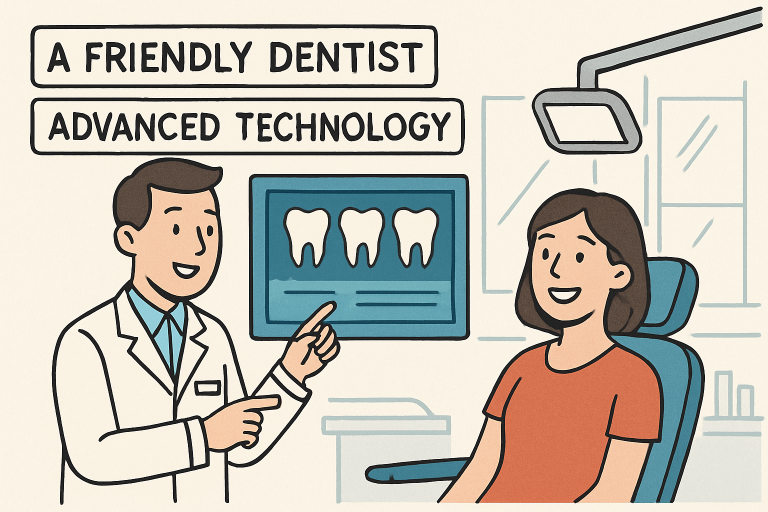
Artificial Intelligence is revolutionizing the dental world by enhancing diagnostic precision and simplifying administrative tasks. Through advanced image analysis, AI can scan dental X-rays to spot cavities, gum disease, and bone loss earlier and more reliably than ever before. Recent research suggests that AI-driven diagnostics are helping reduce both missed treatments and misdiagnoses, laying the foundation for more personalized care.
But AI’s potential isn’t limited to clinical settings. In administrative offices, AI-powered tools are streamlining scheduling, billing, and insurance claims. These process enhancements lead to fewer claim denials and faster reimbursement times, which supports both dental practices and patient satisfaction by reducing stress and wait times.
Virtual Reality (VR)
Virtual Reality is another captivating innovation in dentistry. Dental anxiety is a common barrier to care, but VR can place patients in calming, immersive environments, making even complex procedures less stressful. This technology provides both a distraction and tangible reductions in pain perception and anxiety levels.
Moreover, the benefits of VR extend to dental education and training. Dentists and dental students now practice advanced techniques in virtual settings, improving their skills and confidence without risk to real patients. This leads to safer, more efficient practice in clinical offices.
Integration of Medical and Dental Care
The link between oral health and overall health, commonly known as the Mouth-Body Connection, is finally getting the attention it deserves. Science has established that gum disease and poor oral hygiene are linked to systemic illnesses like heart disease and diabetes. As a result, dental professionals are increasingly collaborating with physicians to monitor and address patients’ holistic health needs.
Dental hygienists play a proactive role in patient education, emphasizing daily prevention and the warning signs of conditions closely tied to oral health. Enhanced communication between dental and medical teams leads to earlier interventions and better management of chronic illnesses.
Expanding Access to Dental Care
One of the most significant challenges in dentistry is the divide in access to care for underserved populations. In response, several states have expanded their Medicaid programs to cover adult dental care, working to narrow the gap in oral health outcomes. These initiatives are a crucial step toward health equity, ensuring basic care is available to those who previously went without it.
However, significant barriers remain. Many dental providers hesitate to participate due to low reimbursement rates and administrative hurdles, which persistently create disparities. Building sustainable networks of participating dentists is crucial to expanding access and achieving long-term improvement.
Sustainable Practices in Dentistry
As environmental awareness increases, dental practices are adopting sustainable solutions to minimize their ecological footprint. Eco-friendly dentistry encompasses a broad range of practices, from using non-toxic, biodegradable materials to embracing digital record-keeping that reduces paper waste. Energy-efficient lighting and water-saving devices are being installed to limit resource consumption.
These efforts support not only individual clinics but also the health of communities and the planet as a whole. By committing to greener standards, dentistry demonstrates leadership in responsible healthcare delivery.
Conclusion
Dentistry is undergoing a remarkable evolution driven by rapid technological advancement and a deeper understanding of whole-body health. Digital imaging, 3D printing, laser treatments, and minimally invasive procedures are redefining accuracy, efficiency, and patient comfort in both restorative and cosmetic care. At the same time, integrated healthcare models increasingly recognize the strong link between oral health and systemic conditions such as heart disease and diabetes. Expanded access to care, teledentistry, and preventive education initiatives are reaching broader populations than ever before. With sustainability initiatives reducing environmental impact, modern dental professionals are shaping a progressive future centered on healthier smiles and overall wellness.