
HEALTH
How to Maintain Oral Health Between Dental Visits

Key Takeaways
- Daily brushing with fluoride toothpaste and proper technique is essential for preventing cavities and gum disease.
- Flossing once a day removes plaque and debris from areas your toothbrush cannot reach.
- Mouthwash adds extra protection by reducing bacteria and strengthening enamel.
- A balanced diet, limited sugar intake, and proper hydration support strong teeth and healthy gums.
- Avoiding tobacco significantly lowers the risk of gum disease, tooth loss, and oral cancer.
- Wearing a mouthguard during physical activities helps prevent dental injuries.
- Regular dental check-ups and cleanings remain vital for early detection and long-term oral health.
Excellent oral health extends far beyond the dentist’s chair. The small choices you make at home every day have a significant impact on your teeth and gums. Whether you are trying to prevent cavities, preserve fresh breath, or avoid gum disease, developing consistent habits is key to a radiant, healthy smile. Practical routines, combined with occasional professional interventions such as full mouth restoration, lay the foundation for lifelong oral wellness.
Daily dental care techniques not only save you costly dental treatments in the future but can also reduce the risk of uncomfortable or dangerous oral conditions. Balancing effective home care routines with regular professional evaluations gives you the best of both worlds for your teeth. Even though biannual professional cleanings are important, your at-home habits are the first line of defense.
Read on for practical tips, expert-backed strategies, and reasons why simple changes truly matter in your oral hygiene routine. Your daily choices can be the difference between routine check-ups and more significant dental procedures. Staying proactive today means enjoying stronger teeth and healthier gums tomorrow.
With that in mind, here’s how you can maintain excellent oral health between dental appointments to ensure every visit is a positive one.
Brush Your Teeth Twice Daily
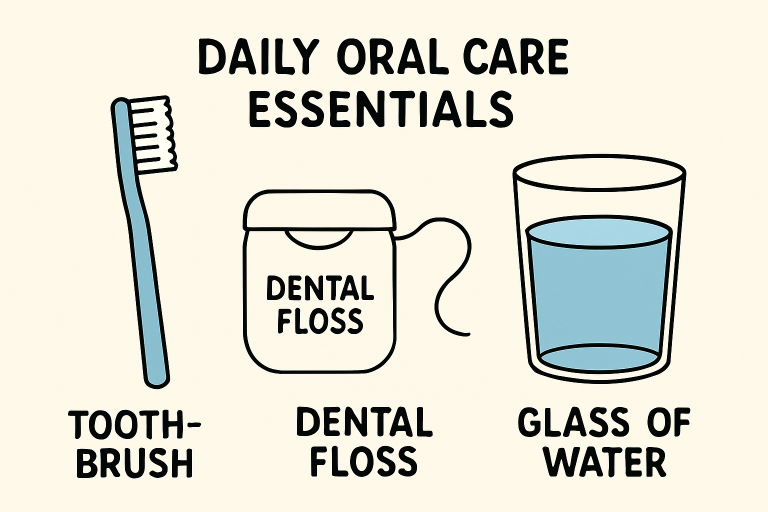
Consistent brushing is one of the most important actions in defending against tooth decay and gum disease. Use a soft-bristled toothbrush and fluoride toothpaste to thoroughly clean all surfaces of your teeth. Spend 2 minutes, twice daily, focusing on the fronts, backs, and chewing surfaces. Brushing your tongue gently is also crucial because it removes odor-causing bacteria, helping keep your breath fresher.
Tips for Proper Brushing
- Hold the toothbrush at a 45-degree angle to your gums for better reach.
- Use small, circular motions instead of harsh scrubbing to protect enamel and gums.
- Replace your toothbrush every three to four months, or sooner if the bristles are frayed.
Floss Daily to Remove Hidden Plaque
Dental floss can access areas between teeth that brushes miss. Flossing daily helps prevent plaque buildup, which can lead to cavities and gum inflammation if not properly managed. Be gentle with your gums to avoid irritation, but thorough enough to dislodge lodged particles. Dental professionals recommend using approximately 18 inches of floss, winding most of it around your fingers, and using a clean section for each tooth.
Use Mouthwash to Reach Where Brushing Cannot
Incorporating an antimicrobial or fluoride mouthwash provides an added layer of protection against bacteria. Rinse once daily, preferably after brushing and flossing, for comprehensive coverage. Choose alcohol-free formulas to prevent dry mouth, keeping your breath fresh and your enamel strong. For those with specific conditions, such as sensitive teeth, consult your dentist about the best mouthwash for your needs.
Maintain a Balanced Diet for Oral Health
A nutritious diet can be just as critical as good hygiene practices for a healthy mouth. Consuming large quantities of sugary or acidic foods increases the risk of decay. Aim for meals full of calcium-rich items, such as milk or leafy greens, and fiber from fruits and vegetables, which stimulate saliva production for natural protection. Drinking plenty of water also helps wash away bacteria and keep your mouth hydrated.
- Dairy products strengthen tooth enamel by providing calcium.
- Crunchy fruits and vegetables clean your teeth naturally and promote saliva flow.
- Water is essential for neutralizing bacterial acids and washing away particles.
Stay Hydrated Throughout the Day
Sipping water frequently helps sweep away food debris and bacteria that may linger in your mouth. Proper hydration promotes continuous saliva production, which is crucial for neutralizing acids and shielding your teeth. Studies highlighted by the Centers for Disease Control and Prevention show that staying hydrated is a simple yet effective way to maintain healthy gums and teeth.
Avoid Tobacco Products
Tobacco use in any form is a serious threat to oral health. Smoking or chewing tobacco not only causes tooth staining and bad breath but also significantly elevates your risk for oral cancer and gum disease. Quitting tobacco has immediate and long-term positive effects, improving the condition of your gums and reducing your likelihood of serious problems such as tooth loss or oral cancers.
Protect Your Teeth During Physical Activities
If you play sports or participate in physical activities with a risk of facial impact, wearing a mouthguard is wise. A custom-fit mouthguard offers comfort and top-level protection, shielding your teeth from accidental blows. Even recreational activities like biking or skateboarding can cause dental injuries, so keeping your teeth safeguarded is essential for all ages.
Regular Dental Check-Ups Remain Essential
Routine visits to your dentist are still a cornerstone of oral health. Professional cleaning removes tartar and plaque that you cannot eliminate by brushing and flossing alone. Dentists also conduct examinations for early signs of issues such as oral cancer, especially important for those at higher risk. Most adults should see their dentist at least every six months, but those with specific conditions may need more frequent appointments.
By sticking to these practical steps, you will keep your mouth in top condition between visits and promote a brighter, cleaner, and healthier smile for the future.
Final Thoughts
Maintaining excellent oral health is a daily commitment that pays lifelong dividends. Simple habits such as brushing, flossing, eating well, and staying hydrated work together to protect your teeth and gums from preventable problems. When paired with consistent professional dental care, these practices help you avoid costly treatments and support a confident, healthy smile. By staying proactive between appointments, you set yourself up for easier visits and stronger oral health for years to come.