
HEALTH
Modern Dental Implant Solutions for Tooth Replacement


Key Takeaways
- Dental implant innovations offer solutions tailored to individual needs, enhancing both function and aesthetics.
- Precision-guided treatments and improved biocompatible materials contribute to higher success rates.
- Emerging digital and smart technologies are making dental procedures quicker, safer, and more comfortable.
Tooth loss can dramatically impact daily life, influencing speech, eating, self-confidence, and overall health. Advances in dental implant technology have led to innovative solutions for a range of patient needs, offering new hope for those seeking strong, natural-looking tooth replacements. For individuals looking for expert care in their area, exploring options like dental implants St. Louis, MO, ensures access to cutting-edge techniques and highly skilled professionals.
As the dental field evolves, patients can now benefit from enhanced precision, reduced discomfort, and faster procedures than ever before. Whether addressing a single tooth or a full arch, today’s implants offer comfort, function, and aesthetics that are remarkably close to natural teeth. By understanding the latest advancements, you can make informed decisions in partnership with your dental provider and achieve lasting, transformative results.
Immediate-Load Implants: A Game Changer
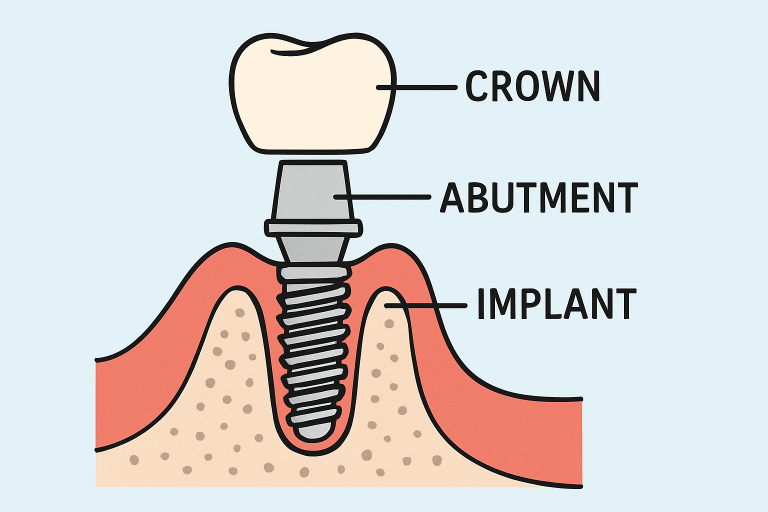
The introduction of immediate-load implants—also called “teeth-in-a-day”—has revolutionized the dental implant experience. Traditionally, dental implants required several months of healing before a permanent crown could be placed. Immediate-load implants, however, allow for a temporary crown to be attached on the same day as the implant surgery. This immediate restoration not only minimizes waiting time but also greatly enhances both the patient’s appearance and function.
Clinical studies have demonstrated that immediate-load implants can match or exceed the success rates of conventional methods, making them an increasingly popular choice for patients seeking faster results without compromising long-term outcomes.
3D Printing and Digital Implantology
One of the most significant technological leaps in recent years is the integration of 3D printing in dental implantology. Dentists now use advanced imaging and digital tools to design and produce customized implant components and surgical guides. This precision means implants fit each patient’s unique anatomy perfectly, reducing surgical risks and shortening procedure time.
Digital implantology leverages technologies like cone-beam computed tomography (CBCT) to accurately map the mouth’s structures—bone density, nerve locations, and more—enabling safe, meticulous planning for complex cases.
Biocompatible and Smart Materials
Success in dental implants relies heavily on osseointegration, the process through which the implant fuses with natural bone. Innovations in biocompatible materials have taken this process to new heights. Next-generation implants crafted from zirconia or enhanced titanium alloys provide strong, lasting bonds while minimizing the risk of inflammation or rejection.
These advanced materials are corrosion-resistant, lightweight, and designed for longevity, ensuring patients receive a durable, natural-feeling tooth replacement that can last for decades when properly cared for.
Mini Dental Implants for Tight Spaces
For patients with low bone density or smaller jaws, mini dental implants are an effective, less invasive alternative. Unlike traditional implants, these slimmer options often do not require bone grafting, making them ideal for stabilizing dentures or replacing smaller teeth in tighter spaces. According to Healthline, the benefits of mini dental implants include a more straightforward procedure, a faster recovery, and greater affordability, which are especially appealing to seniors or denture wearers seeking improved stability.
- Minimally invasive installation
- Shorter healing periods
- Cost-effective and suitable for a wide range of patients
Computer-Guided Implant Surgery
Computer-guided implant surgery combines the power of imaging technology and artificial intelligence to deliver unparalleled accuracy in implant placement. By creating a 3D digital model of the patient’s jaw, dentists can virtually plan the procedure, ensuring optimal implant placement and angulation. This reduces the risk of complications, shortens surgery time, and often results in faster, smoother recovery and enhanced long-term results.
Smart Implants with Real-Time Monitoring
A breakthrough innovation in dental care is the development of smart implants embedded with tiny sensors. These sensors continuously monitor various clinical parameters—such as pressure on the implant, surrounding temperature, and even the presence of certain bacteria. Data from smart implants can be relayed to both patients and their dental providers, helping them be alerted to potential issues such as excessive stress or infection before serious complications arise. This proactive approach extends the lifespan of dental implants and enables timely interventions, safeguarding patients’ oral health long after surgery is complete.
Conclusion
The rapidly evolving field of dental implants is transforming the way we approach tooth replacement. Minimally invasive techniques, advanced materials, and digital technologies are now combined to deliver safe, efficient, and highly customized results. By working closely with experienced professionals and staying informed about these advancements, patients can enjoy restored function, improved aesthetics, and greater confidence in their dental health for years to come.