
HEALTH
Medical Device Recall Procedures: Best Practices and Patient Safety

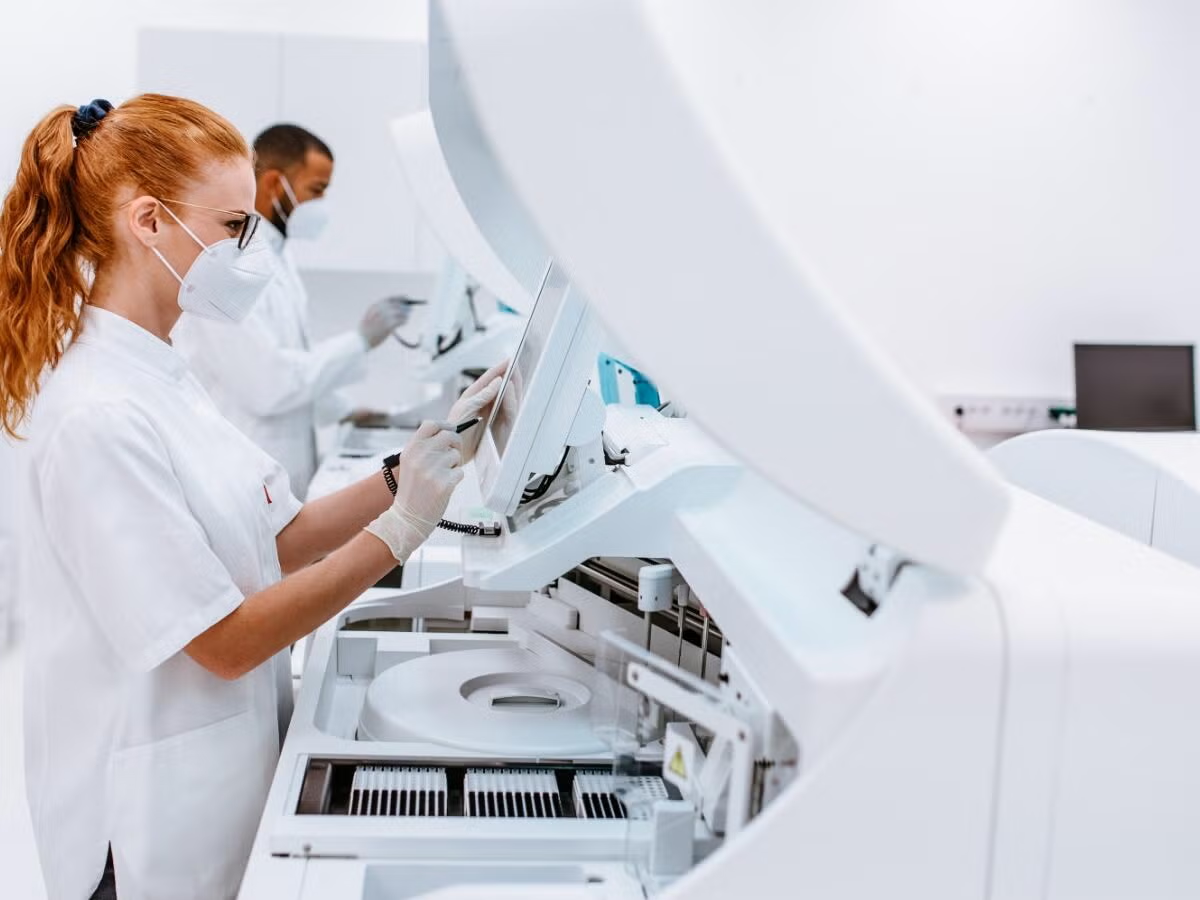
Maintaining patient safety is at the forefront of every healthcare organization’s mission, especially when managing medical device recalls. A well-structured approach ensures that organizations respond swiftly and effectively, minimizing patient risk while sustaining trust in their services. For hospital administrators, clinicians, and supply chain managers, understanding and applying best practices is essential. The FDA medical device recall guidance provides up-to-date recommendations to standardize and strengthen recall efforts across the industry.
Failing to implement robust recall procedures could result in harmful outcomes for patients and significant reputational damage for healthcare providers. Proactively aligning recall management with regulatory best practices safeguards both patient health and institutional credibility. Recalls can range from minor device corrections to urgent actions that require the immediate removal of products from patient care environments.
Throughout this article, you will learn how to establish a comprehensive recall policy and manage the process from detection to resolution. The recommendations highlighted here will help any healthcare entity streamline its recall response and continually improve patient safety outcomes.
Understanding Medical Device Recalls
Medical device recalls are corrective actions taken to address violations of FDA regulations or device flaws that could jeopardize patient health. The Food and Drug Administration classifies device recalls into three main categories based on severity and risk:
- Class I: The most critical events, where exposure or use is likely to lead to serious health consequences or death.
- Class II: Covers scenarios where adverse health effects are temporary or reversible, or where significant harm is unlikely.
- Class III: Applies to issues that are not likely to cause adverse health effects, but still require correction for compliance.
Healthcare organizations should be familiar with these categories, as they influence the urgency and scale of the required response. Quickly identifying the recall class enables targeted action and reduces the risk of negative patient outcomes. For further details on classification, visit the FDA’s official recall resource page.
Establishing a Comprehensive Recall Policy
Developing a comprehensive recall policy is crucial for effective product recalls, outlining the workflow for detection, notification, response, and resolution. Key components of the policy include detailed protocols for each stage of the recall process, criteria for escalation based on recall severity, and the assignment of roles and responsibilities to all staff members involved. By integrating these elements into the policy, organizations can ensure consistency and compliance with regulations, thereby minimizing confusion during critical situations and facilitating prompt actions to safeguard patient health.
Assembling a Dedicated Recall Management Team
A recall management team should consist of multidisciplinary staff from risk management, clinical operations, supply chain, and information technology. This team’s core tasks include:
- Identifying and evaluating the potential impact of recalled devices
- Liaising with external vendors and manufacturers for recall information updates and replacement guidance
- Coordinating with clinical departments to remove or quarantine affected devices
- Documenting actions for internal review and external reporting
This collaborative approach ensures that every stage of the recall management process is performed efficiently, reducing the risk of errors that could reach patients.
Collaborating with External Stakeholders
Effective recall response requires ongoing cooperation with device manufacturers, suppliers, and regulatory agencies. Open channels of communication help organizations receive timely recall notifications and secure recommended corrective actions or product replacements. Adapting to regulatory changes and collaborating on recall efforts enhances safety while strengthening relationships within the supply chain.
For evidence-based insights and updates on stakeholder engagement, the FDA’s Medical Device Safety page offers practical tools and evidence to support patient safety in device management.
Implementing Effective Tracking and Documentation
Consistent tracking and documentation are crucial for effective recall management. Best practices involve logging all received recall alerts and vendor communications, documenting every action step taken (from quarantine to patient notification) along with relevant dates, and reviewing outcomes to evaluate recall effectiveness and patient impact. Thorough documentation facilitates internal audits, regulatory inspections, and post-recall reviews, thereby promoting transparency and accountability within organizations.
Leveraging Technology for Recall Management
Technology streamlines recall management by automating critical steps, sending real-time notifications, and maintaining accessible records for audits. Integrated platforms can align inventory databases with regulatory alerts, ensuring immediate action when recalls occur. Digital tools also facilitate ongoing communication with staff, keeping everyone informed of their responsibilities and reducing the administrative burden of manual tracking.
Conducting Regular Training and Drills
Routine staff training reinforces protocols and helps maintain readiness for device recalls. Training should explain how to identify, quarantine, and report recalled products, using real-life scenarios for maximum impact. Conducting scheduled drills enables teams to rehearse procedures and identify gaps in the recall workflow, which can then be addressed before a real incident arises.
Continuous Improvement and Learning
After any recall event, conducting a thorough review highlights effective practices and areas needing improvement. This involves revisiting each step of the response, gathering staff feedback, and updating policies and training materials accordingly. Continuous learning embeds a culture of safety and ensures that recall management evolves alongside new challenges and regulatory changes.
Applying best practices for medical device recalls enables healthcare organizations to reduce risk, protect patients, and maintain regulatory compliance. By preparing proactively and establishing strong internal procedures, healthcare providers can foster both safety and public trust in an increasingly complex device landscape.
Conclusion
In conclusion, understanding and effectively managing medical device recalls is essential to safeguard patient health and maintain organizational integrity. By accurately classifying recalls, establishing comprehensive policies, assembling dedicated management teams, and leveraging technology, healthcare organizations can respond swiftly and efficiently. Ongoing collaboration with manufacturers and regulators, combined with rigorous documentation, staff training, and continuous improvement, ensures that every recall is handled with precision and accountability. Proactive preparation and adherence to best practices not only minimize risk but also reinforce public trust, fostering a culture of safety in an increasingly complex healthcare environment.