
Business
Making Long-Distance Moves Feel Local: Strategies to Stay Grounded in Transition

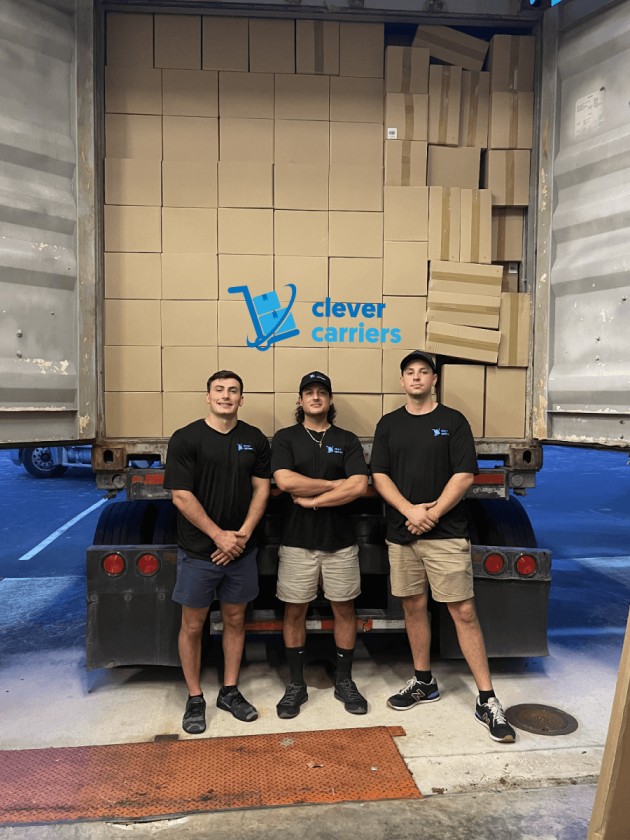
Long-distance moves bring more than just physical change. They often represent a shift in identity, routine, and comfort zone. Whether you’re moving for a new job, family, or a lifestyle reset, packing your life into boxes and resettling across the country—or even just several hours away—can feel like starting over from scratch.
What many people don’t realize until they’re in the thick of it is how emotionally disorienting long-distance moving can be. Everything from your morning coffee routine to the route you take to work is disrupted. Familiar places, faces, and comforts fade into memory as you’re dropped into a new environment where even the smallest tasks—like finding a reliable grocery store or understanding the trash pickup schedule—can feel like obstacles.
But there are ways to ease the mental transition and bring a sense of local familiarity to your new chapter. By being intentional about how you unpack, explore, and connect, you can transform a long-distance move from overwhelming to empowering.
The Psychological Shift of Starting Fresh
Why Distance Feels Like Disconnection
When you relocate across city or state lines, it’s not just about mileage—it’s about momentum. You leave behind not only geography, but a network of relationships, habits, and cues that help you feel rooted. These “invisible anchors” create a sense of local belonging, and when they’re gone, it can trigger unease or homesickness.
That’s why people often feel ungrounded after a long-distance move, even if the new home is objectively an improvement. You might have more space, better weather, or a quieter neighborhood—but the emotional foundation takes time to rebuild.
Being aware of this shift is the first step. It’s not just about adjusting physically to a new home. It’s about intentionally reconnecting with the small rhythms that make life feel balanced.
Step One: Localize Your Routine Quickly
Anchor Yourself with Familiar Habits
One way to settle into a new space faster is by preserving pieces of your previous routine. If you used to start your mornings with a walk, find a nearby park or route and resume the habit within the first week. If Friday nights meant takeout and a movie, pick a local restaurant and keep that tradition alive.
The goal isn’t to replicate your old life—it’s to maintain a sense of continuity. These small routines act as stabilizers in a time of change, helping your mind associate the new space with comfort and consistency.
Unpack familiar items early. Favorite mugs, throw blankets, framed photos—these objects create psychological cues that say, “This is home now.” Don’t wait weeks to settle in emotionally. Start from day one.
Step Two: Get to Know Your Environment Intentionally
Make Exploration a Goal, Not an Accident
After a long-distance move, it’s easy to put off local exploration while dealing with boxes, utilities, and paperwork. But getting out into your new neighborhood early on can speed up your emotional adjustment.
Walk instead of drive, even for short errands. Notice local shops, landmarks, and community boards. Introduce yourself to neighbors. Every new connection—no matter how small—adds to your sense of place.
Make a short list of nearby essentials: grocery stores, coffee shops, parks, and pharmacies. Visit each one in the first two weeks. This not only helps with practical needs but also turns the unfamiliar into the familiar.
Use digital tools mindfully. Apps can help you discover restaurants and events, but don’t let screens replace the experience of being present in your new surroundings.
Step Three: Build a Social Web, Even If It’s Small
Quality Connections Beat Quantity
One of the hardest parts of long-distance moving is leaving behind established social networks. Building new relationships takes time, and expecting instant results can lead to disappointment.
Start with low-pressure social interactions—say hello to your barista, chat with neighbors, attend a local workshop or class. If you’re working remotely, join a co-working space or volunteer once a week. These small efforts plant seeds for deeper relationships later.
Give yourself permission to feel lonely without assuming it’s a sign you’ve made the wrong choice. New friendships are slow to grow but often rooted in shared spaces and consistent interaction.
Clever Carriers understands that successful long-distance moving is about more than getting boxes from point A to B. It’s about giving people the foundation to rebuild their sense of connection, starting with a move that minimizes disruption and maximizes support.
Step Four: Customize Your Space with Purpose
Design with Emotional Needs in Mind
Your new home is a blank canvas. While it’s tempting to recreate your old layout for convenience, consider how this space could serve your current emotional needs. Do you need a quiet reading corner to decompress? A colorful kitchen to bring energy into your mornings? Soft lighting to create a calm evening vibe?
Design intentionally. Even if your new space is temporary, filling it with comfort and identity helps you feel grounded. Display familiar artwork, burn your favorite candle, and don’t wait months to hang curtains.
This kind of personalization accelerates the psychological transition from “this is where I live” to “this is my home.”
Step Five: Mark Milestones, Even the Small Ones
Celebrate the Moments That Matter
Long-distance moving often feels like a blur of logistics and responsibilities. But taking time to acknowledge your progress can build confidence and calm.
Celebrate when you’ve finished unpacking. Treat yourself after your first local grocery run or community event. Keep a short journal of firsts: first sunrise in your new place, first home-cooked meal, first conversation with a neighbor. These details are your foundation for feeling at home.
If you moved with others, take turns sharing what you’re enjoying about the new environment. Collective reflection builds shared memory—and a shared sense of belonging.
When the Right Help Makes the Difference
Choosing a moving partner who understands the emotional weight of a long-distance move can ease the transition significantly. A good moving company doesn’t just deliver furniture—it helps preserve your energy, reduce your stress, and protect the momentum you need to start strong in your new space.
Experienced teams like Clever Carriers LLC prioritize more than logistics. They know that moving across distances often means moving through complex emotions. Their focus on clarity, care, and reliable execution helps customers arrive with energy left to invest in their new lives.
Conclusion: Feeling Local Is a Mindset You Can Create
Long-distance moving doesn’t have to feel like starting over from zero. With intentional planning, daily structure, and a proactive mindset, you can create a sense of home—no matter how far you’ve traveled.
The key is to focus on small, meaningful wins: daily routines, local exploration, personalized spaces, and social sparks. Each effort helps transform the unfamiliar into something approachable.
With the right preparation—and the right moving support from companies like Clever Carriers LLC—you can make any new city, town, or neighborhood feel like your own. Even from miles away, local living is a mindset you can take with you.