
Business
Innovative Trends Shaping Hotel Dining Experiences

Key Takeaways
- Personalized dining experiences are enhancing guest satisfaction.
- Sustainability and local sourcing are becoming standard practices.
- Technology is revolutionizing the way guests interact with hotel dining services.
- Immersive and multisensory dining experiences are on the rise.
Introduction
Recently, hotel dining has become a central dimension of a guest’s overall experience. Today’s travelers expect much more than convenience; they demand innovation, thoughtful service, and distinction in every meal. This transformation is more evident than in the forward-thinking projects led by hospitality visionaries like James Vosotas, whose work underscores the significance of design, local sourcing, and creating a sense of place within every dish a hotel serves. As the industry turns its focus to personalization, sustainability, and high-tech immersion, the leading hotels of 2025 are setting new standards for excellence and engagement.
By adopting practices ranging from hyper-personalized service to eco-conscious operations, hotels redefine culinary hospitality for modern guests. This comprehensive overview explores the innovative trends transforming hotel dining and what guests can expect from the culinary landscape in the year ahead.
Hyper-Personalized Dining Experiences
In 2025, hotels are leveraging advanced data analytics and artificial intelligence to deliver bespoke dining experiences. By analyzing dietary restrictions, culinary preferences, and past behaviors, chefs and culinary teams can anticipate guests’ needs before they arrive. For instance, a vegan guest might find a customized plant-based tasting menu waiting for their approval, or a guest with celiac disease may receive gluten-free recommendations seamlessly. This level of personalization fosters loyalty, making every meal feel intentional, and builds a bond between the guest and hotel staff that extends far beyond a single stay.
Sustainability at the Core
Hotel restaurants are increasingly championing sustainability as a key value. Farm-to-table practices, seasonal menus, and hyper-local sourcing are no longer outliers but the expected norm. Top hotels also partner with local farmers and fishers to highlight regional flavors while reducing transportation emissions. Waste-reducing kitchen designs and ever-evolving efforts—such as composting and charitable food donation programs—reflect a commitment to eco-friendly dining. These practices aren’t just about meeting green expectations; they are about telling authentic stories that resonate with guests who care about their environmental footprint.
Integration of Technology
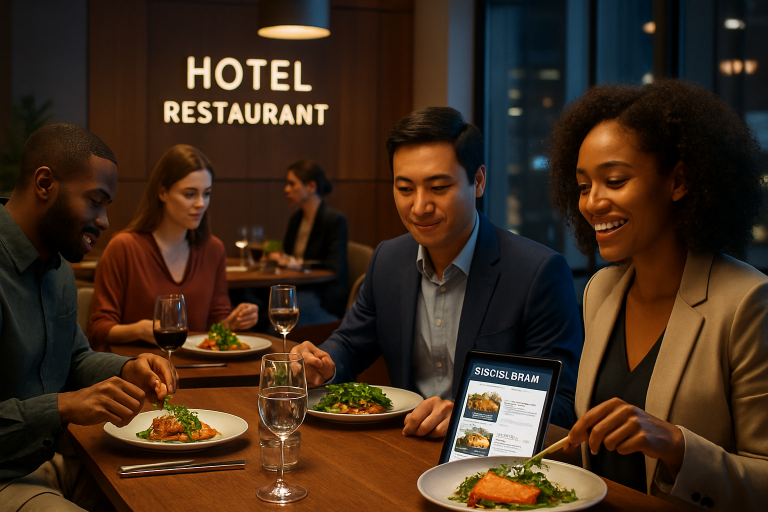
Digital innovation is streamlining and enriching hotel dining at every turn. Through contactless menus, guests can explore detailed dish descriptions, allergen data, and wine pairings from the convenience of their smartphones. Many properties are now experimenting with augmented reality (AR), offering immersive features such as 3D dish previews and tracing ingredient origins to local producers virtually. Mobile ordering and payment apps make service faster, while voice-activated technology enables guests to order room service hands-free. These tech-based improvements create smoother, safer, and more interactive dining experiences.
Immersive and Multisensory Experiences
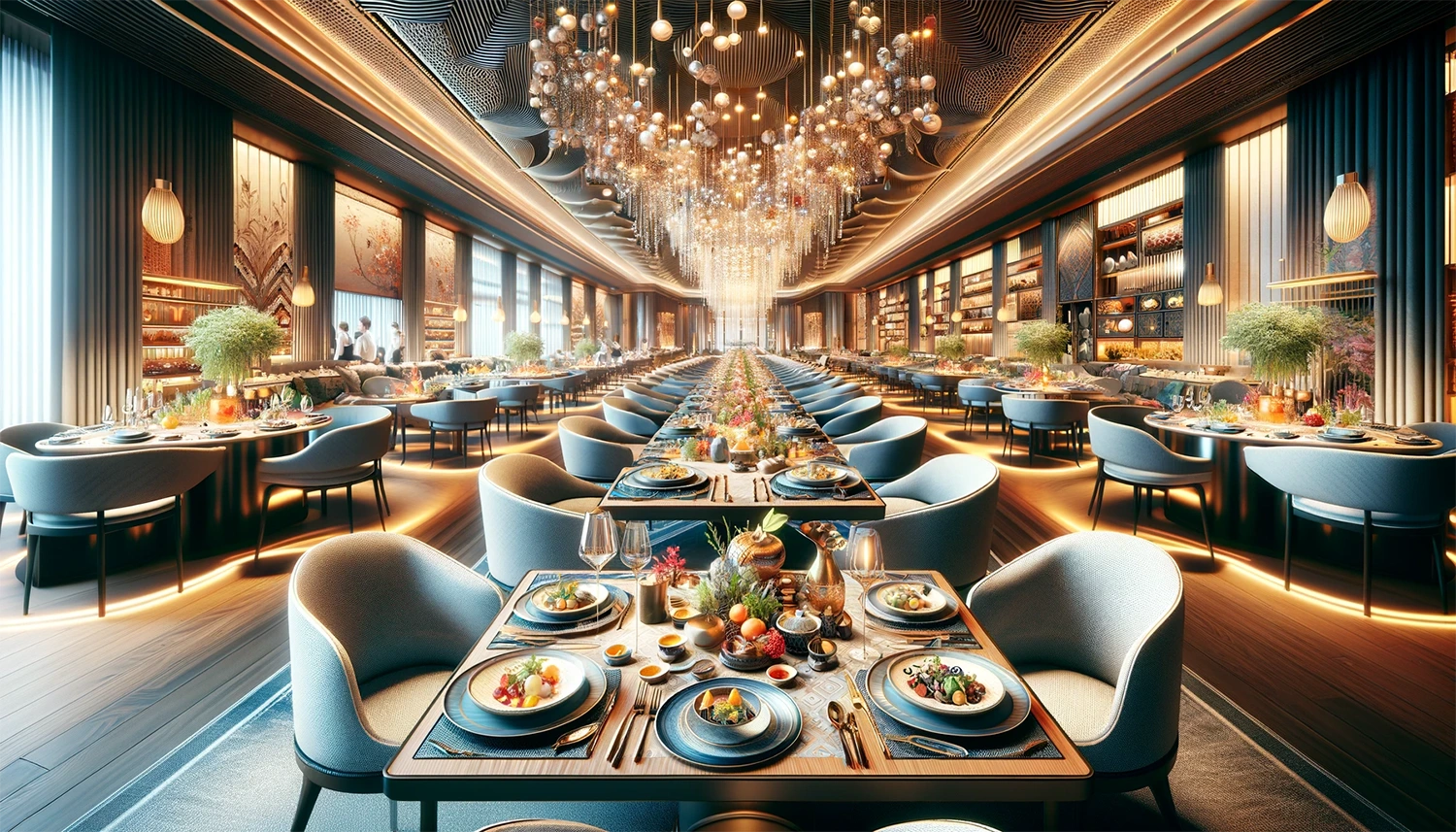
The best hotel dining in 2025 is much more than food on a plate—it’s a multisensory journey. Culinary teams are collaborating with designers and audiovisual artists to deliver integrated experiences. Dynamic lighting, scent diffusers, and curated music set the mood, while tableside presentations and chef’s tasting counters invite guests to become part of the spectacle. Hotels also embrace new forms of interactive storytelling, turning each meal into a memorable event that stimulates all five senses.
Health-Conscious and Wellness-Focused Menus
Health and well-being are shaping modern dining choices, with hotels now developing menus in consultation with nutritionists and wellness professionals. From antioxidant-packed smoothies to balanced macrobiotic bowls, guests will find dishes designed to revitalize both body and mind. There’s also a growing focus on dietary diversity, providing food options that support mental clarity, reduce stress, and offer energy boosts tailored to travelers’ lifestyles. As wellness tourism surges, hotels offer everything from morning yoga and breakfast buffets to functional ingredient menus for optimal health.
Social Media Influence
The power of social media is more apparent than ever in shaping hotel dining. Forward-thinking chefs are creating dishes with both taste and visual appeal in mind, aiming to inspire sharing on platforms like Instagram and TikTok. The interplay of striking plating, unexpected colors, and unique ingredients turns hotel dining spaces into must-visit destinations for food influencers. These visually compelling experiences not only amplify a hotel’s brand but also draw in a new generation of globally connected diners looking for their next hashtag-worthy moment.
Conclusion
The future of hotel dining is defined by a synergy of personalization, sustainability, technology, and multisensory engagement. By embracing these trends, hotels provide guests with experiences far beyond sustenance, enhancing satisfaction and cementing their position as leaders in hospitality innovation. As 2025 unfolds, a new era of hotel dining beckons—where every meal tells a story, creates lasting memories, and sets the gold standard for culinary excellence.