HEALTH
Innovations in Common Dental Procedures: Embracing the Future of Oral Health

The landscape of dental care is rapidly changing as advanced technologies and innovative approaches reshape standard dental procedures. From diagnostics to treatment methods, these developments are designed to improve clinical outcomes, boost efficiency, and provide a more comfortable experience for patients. For those seeking routine services like dental cleaning in Northern Virginia, the benefits of these advancements are becoming increasingly accessible, enhancing both care quality and convenience.
These continual improvements are not just about gadgets or trendy materials. They reflect a fundamental shift in how dentistry is practiced, with a growing emphasis on precision, patient safety, and eco-friendly practices. As new procedures become integrated into everyday care, they are making dental visits less stressful and more tailored to individual needs, regardless of a patient’s location or previous experiences.
Patients are also empowered like never before. Tools such as teledentistry and artificial intelligence support early detection and ongoing management, while robotic assistance and 3D printing enable more personalized, streamlined care. With so many breakthroughs emerging, it is an exciting time for both dental professionals and the communities they serve.
This article delves into the most impactful innovations transforming routine dental care, providing an overview of key trends and their implications for the future of oral health.
3D Printing in Dentistry
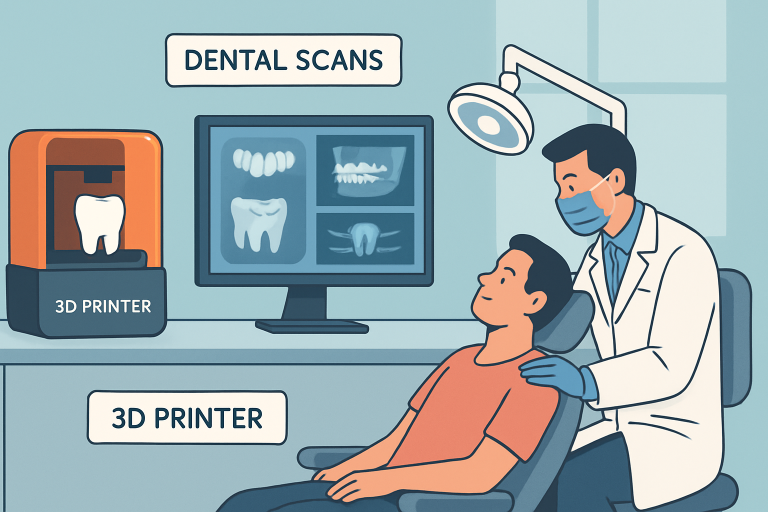
3D printing technology has ushered in a new era for dental laboratories and clinics. Using digital impressions from intraoral scanners, dental professionals can rapidly produce highly accurate crowns, bridges, dentures, and even orthodontic devices. These custom restorations are created in a fraction of the time required by traditional methods, resulting in shorter wait times and fewer appointments for patients. According to WebMD, this method helps reduce manual errors and allows for same-day solutions in many cases, which is especially valuable for time-sensitive care.
Teledentistry Expansion
Teledentistry bridges the gap between patients and providers, offering remote consultations and follow-up care for those who cannot easily visit a physical office. This digital approach is crucial for elderly patients, people in rural locations, and those with disabilities. By sending images or videos and receiving expert input, patients can manage early symptoms, seek advice, and receive referrals as needed. During recent years, telehealth services have improved accessibility and reduced unnecessary emergency visits, expanding the reach of preventive dentistry nationwide.
Artificial Intelligence in Diagnostics
The application of artificial intelligence in dental diagnostics enables more accurate and timely detection of cavities, gum disease, and even oral cancer. AI can analyze complex imaging data, flagging abnormalities that may not be obvious to the human eye. This leads to faster intervention and less invasive procedures with higher success rates. Research published in the journal Scientific Reports highlights AI’s role in improving early detection, which is critical for treating oral health concerns before they advance.
Robot-Assisted Dental Surgeries
Robotic assistance in dental surgery has advanced rapidly, with systems like Yomi enabling precise movements previously unattainable by human hands alone. These robots are designed to support delicate tasks, such as endodontic treatments and implant placements, and to provide real-time feedback and adjustments. Patients benefit from more predictable outcomes, less trauma to soft tissues, and expedited recovery. As dental robotics continues to evolve, it promises an even greater impact on surgical safety and efficiency in the near future.
Eco-Friendly and Biocompatible Materials
Modern dental practices are embracing eco-friendly materials to minimize their carbon footprint and safeguard patient well-being. Traditional amalgam fillings and plastic-based materials are being replaced with options such as BPA-free composites, biodegradable dentures, and zirconia crowns. These advances are particularly important for patients with allergies or sensitivities, as they provide safe, effective alternatives while supporting a greener environment. The American Dental Association has recognized the importance of sustainable practices and encourages dental professionals to adopt these innovations for the benefit of both patients and the planet.

Minimally Invasive Techniques
Laser dentistry and micro-invasive procedures have become standard in many practices, allowing the treatment of caries, gum disease, and soft-tissue issues with minimal discomfort. Lasers can target decay or infection with pinpoint accuracy, preserving more healthy tissue and shortening healing times. For procedures like cavity fillings or periodontal therapy, patients enjoy less bleeding, swelling, and postoperative pain. These techniques are especially advantageous for children and those with dental anxiety, making the dental office a more welcoming place for all.
Regenerative Dental Therapies
The potential for true healing and restoration in dentistry is expanding thanks to regenerative therapies. Stem cell research is opening avenues for regenerating lost or damaged dental tissues, including pulp, dentin, and bone. In cases of advanced gum disease, new tissue engineering methods can restore the periodontal ligament and supporting bone, improving tooth retention and overall oral health. While many of these techniques are still in the experimental phase, their eventual mainstream adoption could transform how dentists approach everything from routine cleanings to complex surgical interventions.
Enhanced Patient Experience
Patient-centered care is at the heart of dental innovation. Integrating relaxation technologies like virtual reality headsets into treatment rooms has helped many people overcome dental phobias and anxiety. With the option to lose themselves in immersive environments during procedures, patients report feeling calmer and more cooperative. Beyond technology, practices are focusing on clear communication, flexible scheduling, and amenities that personalize every step of the dental journey.
The future of dentistry is bright and patient-focused. With each innovation, routine dental care is becoming safer, greener, and more comfortable, ensuring that everyone can achieve a healthier smile supported by the latest science.

