
NEWS
How to Choose the Right Vehicle for Your Lifestyle


Key Takeaways
- Assess your daily driving habits and space requirements.
- Consider fuel efficiency and environmental impact.
- Evaluate safety features and technological amenities.
- Set a realistic budget that includes maintenance and insurance costs.
- Test drive multiple vehicles to find the best fit.
Choosing the ideal vehicle can make a significant difference in how seamlessly your daily life operates. Whether you are navigating a bustling city, carpooling with family, or heading out on outdoor adventures, selecting the perfect car is a decision that impacts comfort, efficiency, and enjoyment. Finding the right match depends on a thoughtful analysis of your unique routines, preferences, and long-term goals. Learn more about selecting a vehicle that suits your life by evaluating the following important factors.
Matching your transportation needs with the right car is not just about style or brand appeal; it is about ensuring functionality, reliability, and satisfaction. With so many options and technologies available, narrowing your choices requires careful consideration of your driving habits, space needs, safety requirements, and budget. Taking the time to assess these aspects sets you up for a rewarding decision that lasts for years.
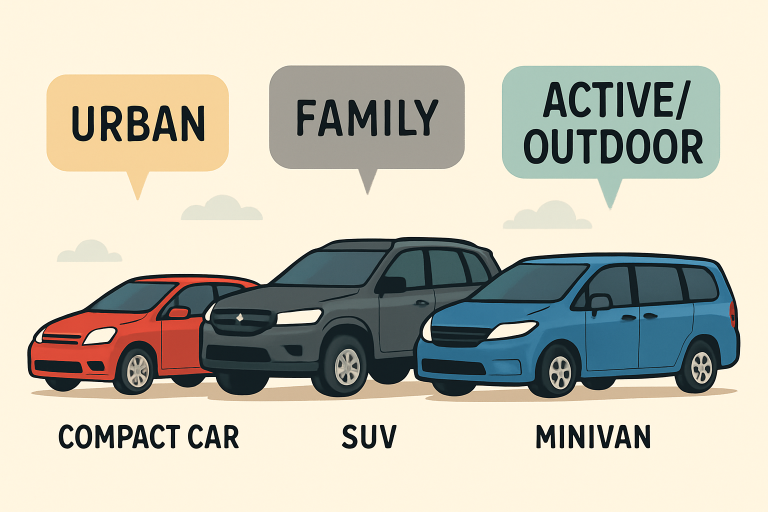
From compact sedans for urban lifestyles to spacious SUVs for active families, the market offers countless possibilities. Reflecting honestly on who and what you will transport, as well as how much you drive, ensures you avoid unnecessary compromises down the road. The right car enhances convenience and peace of mind throughout your daily routine.
It is also worth remembering that vehicle ownership brings ongoing responsibilities, including maintenance, insurance, and sometimes unexpected repairs. Build these realities into your criteria to ensure a choice that stands the test of time without causing financial strain.
Assess Your Daily Driving Habits
Begin with an honest assessment of your typical driving patterns. Do you spend hours each day commuting on highways, or are most of your trips short journeys around town? For city dwellers, a compact vehicle often provides the maneuverability and fuel savings that make everyday driving less stressful and more economical. Meanwhile, anyone facing long stretches of highway or frequent travel outside city limits should consider the comfort and cargo options offered by larger sedans, crossovers, or SUVs. Thinking carefully about your destinations and routines can help you avoid regretful decisions and pinpoint the ideal vehicle category for your needs.
Consider Passenger and Cargo Needs
Think beyond the driver’s seat to everyone and everything you transport. If family trips, carpooling, or moving gear is a regular part of your life, prioritize cars with generous passenger and cargo space. Seating configuration, trunk volume, and even extra cabin features like rear climate controls can make life more comfortable for families. Hobbies such as cycling, surfing, or camping may require an SUV or minivan equipped with flexible seating and accessory-friendly features, such as roof racks. Choosing a vehicle with the right size and configuration eliminates daily hassles and supports your lifestyle, whether at home or on the go.
Evaluate Fuel Efficiency and Environmental Impact
With gas prices fluctuating and environmental concerns growing, fuel economy and eco-friendliness are more important than ever. There are options ranging from conventional, energy-efficient models to cutting-edge hybrids and fully electric vehicles. Hybrid and electric vehicles, in particular, offer lower operating costs and smaller carbon footprints, aligning with sustainability and cost-saving goals. Examine energy consumption estimates and ask about charging solutions for electric vehicles if those are on your shortlist. For an understanding of how your vehicle choice impacts emissions and running costs, visit What Car Fits Me for more resources and calculators.
Prioritize Safety Features
Modern vehicles come with a suite of innovative safety technologies that can protect you and your loved ones. Features such as automatic emergency braking, lane-keeping assist, adaptive cruise control, and blind-spot monitoring dramatically improve road safety and can help prevent accidents. When researching vehicles, look for those with strong crash-test ratings and advanced standard safety equipment. Features such as rearview cameras, adaptive headlights, and collision warning systems should be considered necessities, especially for family cars or frequent highway drivers. The Insurance Institute for Highway Safety (IIHS) provides comprehensive safety ratings for a wide range of vehicles.
Set a Realistic Budget
Budgeting is more than just considering the sticker price. Savvy buyers keep in mind the broader cost of ownership, including insurance, fuel, routine maintenance, and occasional unexpected repairs. Experts often recommend the 20/4/10 rule: aim to put down at least 20%, take a loan of no more than 4 years, and keep your monthly payment under 10% of your gross income. Including all ownership costs will help you avoid stress and ensure your vehicle fits your financial reality both today and in the future.
Test Drive Multiple Vehicles
The test drive is one of the most important steps before making a decision. Driving several different models lets you compare ride comfort, cabin quality, technology usability, and overall fit. Pay close attention to the responsiveness of controls, visibility, how supportive the seats are, and whether the layout feels intuitive. Make sure all passengers sit comfortably and that loading and unloading cargo is easy. Spending a little more time in the driver’s seat can confirm (or overturn) your presumptions about which vehicle will really serve you best.
Research Reliability and Resale Value
Not all vehicles hold their value or perform with the same reliability over time. Investigate repair histories, reliability ratings, and owner satisfaction scores using reputable authorities. Some brands and models deliver superior long-term reliability and higher resale value, which ultimately protects your investment. Choosing a car with a strong reliability record means less time dealing with inconvenience and unexpected repairs, and more assurance that your car will retain value should you wish to sell or trade it in the future. Consult trusted automotive resources and major consumer publications to verify the reputation of any model on your shortlist.
Conclusion
The right vehicle should complement your lifestyle, meet your needs, and align with your financial goals. Take time to evaluate your daily routines, passenger and cargo requirements, fuel and safety priorities, and budget considerations. Diligent research and comprehensive test drives will help you move forward with confidence, paving the way for satisfaction and reliability throughout your ownership experience.