
NEWS
How Safe Driving Habits Can Reduce the Risk of Vehicle Accidents


Key Takeaways
- Seat belts decrease the risk of fatal injuries by more than half.
- Safe following distances give drivers valuable time to react to traffic changes.
- Reducing distractions such as mobile phone use is vital for staying focused.
- Obeying speed limits can significantly reduce the likelihood and severity of accidents.
- Vigilant vehicle maintenance prevents avoidable mechanical failures on the road.
Adopting safe driving habits is a fundamental way to lower the risk of motor vehicle accidents. While many drivers believe they are careful on the road, deliberate, consistent practices are what truly make a difference. By focusing on these behaviors, everyone can benefit from a safer daily commute and reduced risk of severe consequences from collisions. If you have questions about what to do following an accident or ways to pursue compensation, the Ward Law Orlando car accident attorneys can help you navigate the aftermath confidently.
Making roads safer is a shared responsibility. Even one distracted or careless driver can create chaos and lead to major accidents. Strong, positive driving practices protect everyone, not just the person behind the wheel, and these habits pay off in the long run by saving lives, reducing costs, and minimizing injuries.
Always Wear Your Seat Belt
Seat belts are crucial for protecting vehicle occupants in an accident. According to the Centers for Disease Control and Prevention (CDC), wearing a seat belt is the most effective way to prevent death and serious injury in a car crash. Every trip should start with ensuring every passenger is buckled up. This simple step has saved countless lives and is required by law in most places.
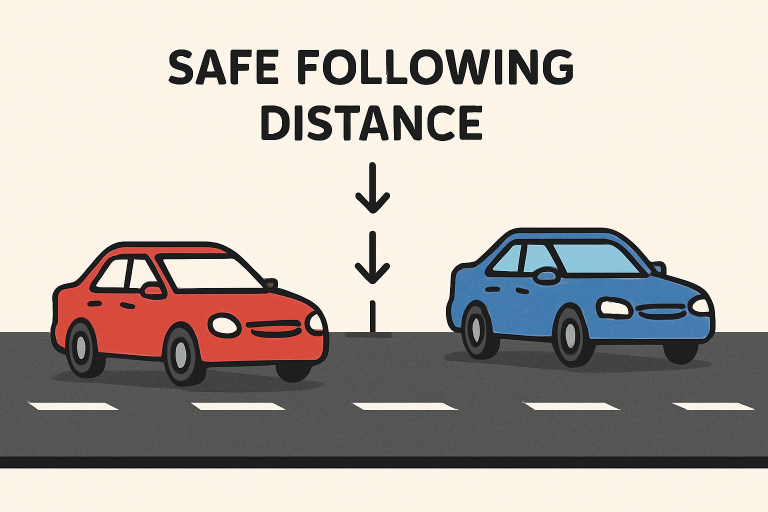
Maintain a Safe Following Distance
Tailgating is a leading cause of rear-end collisions. Maintaining a safe distance from the car ahead gives you a vital fraction of a second to respond if the driver in front of you hits the brakes or swerves. The “two-second rule” is widely endorsed: pick a roadside marker and count two seconds from when the car ahead passes it to when your own car passes it. Increase this buffer in low visibility or poor weather to ensure you have time to avoid sudden obstacles or hazards.
Avoid Distractions While Driving
Distracted driving is responsible for thousands of crashes each year. Whether it’s a text message, a meal, or fiddling with the navigation system, taking your hands off the wheel or your eyes off the road greatly increases crash risk. The National Highway Traffic Safety Administration (NHTSA) recommends stowing your phone, planning your route before setting off, and minimizing in-car disruptions. Keeping your attention where it belongs ensures quicker reactions and safer decisions.
Adhere to Speed Limits
Speeding remains one of the top contributors to severe and fatal car accidents. Speed limits are set based on road design and average traffic, and adhering to them helps you safely navigate changing road conditions and reduces the risk of losing control. Adjust your speed further in construction zones, school areas, or in adverse weather to keep every driver safe.
Regular Vehicle Maintenance
Vehicles that are regularly inspected and maintained tend to perform more reliably. Tire tread, brake function, steering, lights, and fluid levels should be checked frequently. Preventive maintenance can identify issues like worn brakes or underinflated tires, both common causes of preventable accidents. Staying on top of maintenance schedules not only safeguards you but also protects others on the road.
Stay Alert and Avoid Fatigue
Drowsy driving is just as risky as drunk driving in many cases. Fatigue impairs reaction times and makes it harder to stay attentive. Before setting out on long trips, get a full night of sleep and plan for breaks every two hours behind the wheel. If you become drowsy en route, pull over at a safe location and rest. It is always better to arrive late than risk an accident from falling asleep while driving.
Be Mindful of Weather Conditions
Poor weather significantly increases the risk of losing control. Whether it is rain, fog, ice, or snow, adjust your driving by slowing down, using headlights, and enlarging your buffer zone. Always ensure your windshield wipers and tires are ready for winter or rainy seasons. Defensive driving in harsh conditions can save both time and lives.
Continuous Education and Defensive Driving
Up-to-date knowledge and skills are key aspects of safe driving. Defensive driving courses teach how to anticipate, recognize, and react to road hazards before they turn into emergencies. Such education also covers updated traffic laws, technologies, and practical exercises. These courses are a valuable investment in personal and public safety, and many insurance companies offer discounts for their completion.
By integrating these habits each time you drive, you play a meaningful part in preventing crashes and injuries; everyone on the road benefits from greater awareness and caution. Take responsibility for your actions behind the wheel and choose safety over complacency, so you and others can reach your destinations safely.
Set a Positive Example for Others
Good driving habits are also contagious. By practicing courtesy and following safe driving protocols, you become a role model for passengers, young drivers, and other motorists. Children, in particular, tend to emulate adult behavior, so always follow rules and drive responsibly when they are in your vehicle. If friends or family see you putting away your phone, wearing a seat belt, or driving calmly, they are more likely to do the same in their own vehicles. This ripple effect can foster safer communities overall as the culture of responsible driving spreads beyond just one car and impacts everyone in your network.
Know What to Do After an Accident
Even the safest driver may be involved in an accident due to circumstances beyond their control. It’s critical to remain calm, move vehicles to a safe location if possible, and check for injuries right away. Document the scene with photos, exchange insurance details, and file a police report. Seeking timely medical attention, even for injuries that might seem minor, is vital, as some issues arise hours or days later. Understanding your legal rights and options can be crucial in the aftermath of a crash. Consult with a professional if you are unsure of the next steps after an accident to protect both your health and your rights.
Conclusion
Safe driving requires consistent attention, proactive habits, and a commitment to personal and public safety. From wearing seat belts and maintaining vehicles to avoiding distractions and respecting speed limits, each action contributes to reducing accidents and saving lives. Even with the best precautions, accidents can still happen, making it important to know how to respond and seek guidance when needed. By integrating these practices into daily routines and setting a positive example for others, drivers can foster safer roads, protect themselves and their passengers, and minimize the physical, financial, and emotional impacts of collisions. Prioritizing safety is not just a personal responsibility—it’s a community benefit.