
NEWS
How Texting While Driving Is Destroying Lives On Houston Roads

The Growing Danger of Texting While Driving
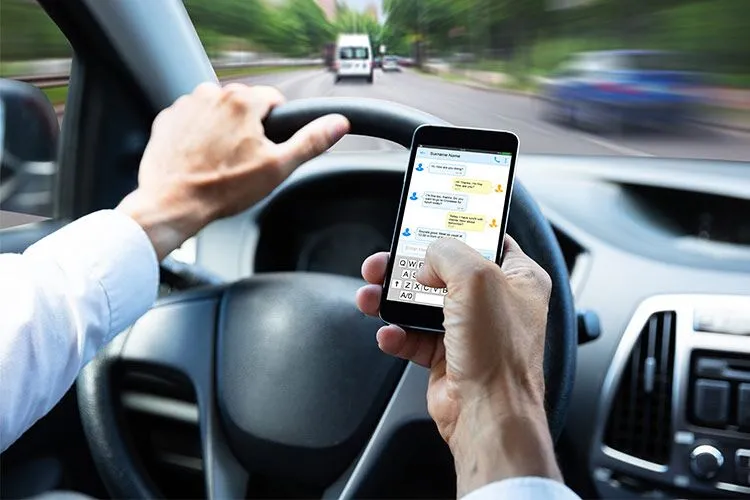
Distracted driving, particularly texting, has become a deadly epidemic on Houston roads. Every glance at a phone diverts a driver’s attention from the road, even if only for a few seconds. Those moments can lead to catastrophic consequences, turning everyday commutes into tragedies. As the city grows, so does the risk, making it more important than ever to understand the threat. If you or a loved one has suffered due to someone else’s negligence, a distracted driving accident attorney can provide critical guidance and support.
According to the National Highway Traffic Safety Administration, sending or reading a text takes your eyes off the road for about five seconds. At 55 miles per hour, that is like driving the length of a football field blindfolded. Houston police officers are seeing more accidents linked to texting, and the problem continues to worsen as smartphone use climbs. Locally, authorities have intensified efforts to raise awareness, but many drivers still underestimate the risk or mistakenly believe they can multitask safely.
Texting while driving is not just a personal mistake; it endangers everyone. National studies consistently find that distracted driving, led by texting, is responsible for a significant percentage of crashes involving injuries and fatalities. In Harris County alone, hundreds of lives are cut short or forever changed each year due to this preventable behavior. Though public education campaigns have increased, too many Houstonians still text while driving, often with devastating consequences. Local law enforcement and advocacy groups stress that no text is worth a life. When drivers take their eyes off the road, even briefly, they increase the chance of tragedy exponentially. There is a growing call for stricter laws and more impactful penalties to dissuade this behavior.
Devastating Impact On Houston Families
The aftermath of a texting-while-driving crash extends far beyond immediate physical injuries. Houston families have shared stories of losing parents, children, and spouses in senseless collisions caused by one text too many. Survivors often face lengthy recoveries, ongoing therapy, and emotional trauma that never fully heals. These wrecks leave emotional scars, inflict enormous medical costs, and can mean years out of work for victims and caretakers. Some families become advocates, urging their neighbors and friends to put down their phones and drive safely. Yet the heartbreak is a reminder that one impulsive decision on the road can shatter many lives. The community bears these costs through lost productivity, increased insurance premiums, and the draining of emergency and healthcare resources.
Why Texters Are More Dangerous Than Drunk Drivers
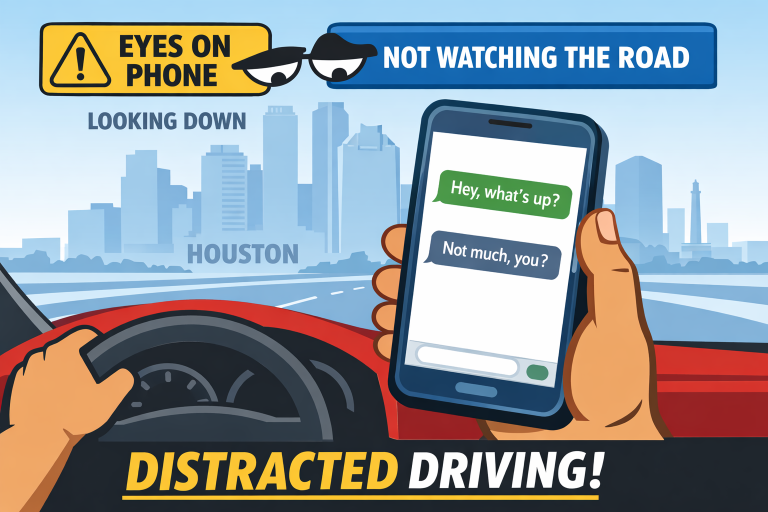
Many safety experts warn that texting can be even more dangerous than driving under the influence. Unlike alcohol, which impairs reflexes and judgment, texting combines visual, manual, and cognitive distractions. Drivers are not just impaired; they are momentarily blind and mentally absent. Texting drivers are nearly 23 times more likely to crash than non-distracted drivers, surpassing the increased risk posed by impaired driving. Compared to other distractions, texting pulls a driver’s focus away from the road entirely. This complete disengagement drastically reduces reaction time. The myth that “it is just a glance” too often leads to irreversible loss and heartbreak. Texans must recognize that texting behind the wheel is reckless and holds similar, if not greater, risk than traditional forms of impaired driving.
Houston Laws and Enforcement Issues
Texas passed a statewide texting-while-driving ban in 2017, but enforcement remains inconsistent. Officers often find it difficult to prove someone was texting after a crash unless the driver admits wrongdoing or there is clear evidence at the scene. Although penalties exist, they may not go far enough to deter habitual offenders or tackle the widespread cultural acceptance of phone use in traffic. Houston police continue to launch sting operations and awareness drives, yet loopholes and limited resources hinder progress. Ongoing debates focus on whether Texas should introduce hands-free-only laws, similar to those in California and other states. Many experts believe that tougher policies, combined with better driver education, can begin to reverse alarming trends on Houston’s busy roadways. But until stricter enforcement is paired with cultural change, the danger persists nearly everywhere in the city.
Steps Toward Prevention and Safer Roads
Preventing texting while driving requires a multi-pronged approach. First, education campaigns need to reach audiences of all ages, especially teens and young adults who are statistically the most likely to text and drive. Schools and community centers in Houston are starting to emphasize the dangers through interactive programs, simulations, and public pledges. Technology also offers hope, with apps and in-car systems that can turn off texting while the car is moving. Employers are incorporating strict no-texting policies into company driving guidelines. Individual drivers can take personal pledges and encourage family and peers to model safe habits. For information on the state’s efforts, this resource by the Texas Department of Transportation outlines legal developments since the statewide ban took effect. City leaders are considering further investments in road design, including speed-reduction measures and physical dividers, to minimize the effects of distracted driving. Through collective responsibility, education, and smart policy, there is an opportunity to drastically reduce deaths and injuries.
Resources and Support for Victims
Survivors of texting-while-driving crashes need legal, emotional, and financial support. Several Houston organizations offer grief counseling, support groups, and funding for victims. Legal professionals specializing in car accidents can help families seek justice and compensation, alleviating some of the burdens imposed by another’s negligence. Community-led programs like MADD’s Texas chapter empower victims to share their stories and work for change. Raising awareness and advocating for policy improvements offer hope to current and future Houstonians. Victims and their families can find additional resources through national platforms such as the National Highway Traffic Safety Administration.
Conclusion
Texting while driving is not just a personal risk; it is a community crisis that demands urgent action. The lives lost, the families devastated, and the preventable tragedies suffered on Houston’s roads should motivate every driver to put safety ahead of distraction. Through stronger laws, better education, technological innovation, and compassionate support for victims, Houston can make meaningful progress toward keeping its roads safe for all.