NEWS
How Routine Plumbing Maintenance Can Prevent Costly Repairs

Key Takeaways
- Regular plumbing inspections catch minor issues before they escalate.
- DIY maintenance routines can prevent common plumbing setbacks.
- Complex or persistent problems warrant professional help to avoid long-term damage.
Proactive homeowners know that regular plumbing maintenance is the key to preventing expensive, disruptive repairs in the future. An efficient plumbing system underpins your home’s comfort, safety, and value, making preventive care critical. For residents in Colorado who want reliable service from locally trusted experts, Affordable Plumbing in Westminster by Afford A Rooter offers comprehensive plumbing solutions. This local plumbing company specializes in everything from routine inspections and drain cleaning to emergency repairs, ensuring your system stays in top condition.
As an authority with years of experience serving Westminster and surrounding communities, Afford A Rooter has built a reputation for clear communication, honest pricing, and fast, high-quality repairs and maintenance. Their team’s expertise makes them a trusted choice for homeowners who want peace of mind and long-term reliability in their plumbing systems.
Neglecting plumbing care often means small leaks, blockages, or corrosion can remain undetected until they become emergency repairs—costing you both time and money. Regular inspections and simple maintenance tasks are essential not only for preventing disasters but also for improving system efficiency, conserving water, and reducing utility bills. With Afford A Rooter in Westminster, Colorado, residents can enjoy professional service that keeps their homes safe, comfortable, and well-maintained.
Importance of Regular Inspections
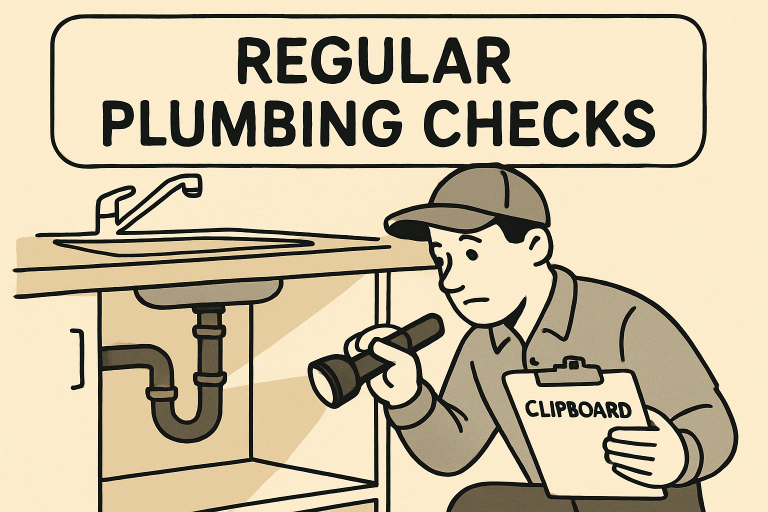
Plumbing issues can range from intrusive leaks to invisible corrosion behind walls. Routine inspections allow homeowners to identify risks such as moisture buildup under sinks, odd smells near appliances, and early signs of pipe wear. Small leaks or drips, if left unchecked, can lead to extensive water damage and mold, which not only damage property but also negatively affect air quality and your family’s health. For a helpful guide on identifying common plumbing problems in your home, see this article from U.S. News & World Report.
Experts recommend checking exposed piping, faucets, and connections at least quarterly. Attention to water spots on ceilings, rust around drains, and unexpected increases in your water bill can help you uncover problems before they become costly emergencies. Plumbing maintenance is about vigilance; a small sign today can prevent a disaster tomorrow.

Common Maintenance Tasks
Homeowners can incorporate several simple practices to protect their plumbing systems. These practical routines minimize long-term damage and keep your system working smoothly:
- Checking for Leaks: Inspect pipes, fittings, and under cabinets for any signs of water accumulation or moisture.
- Clearing Drains: Avoid dumping fat, oil, or food scraps down your kitchen sink. Regularly flush drains with baking soda and vinegar, or with hot water, to prevent build-up—one leading cause of household clogs.
- Testing Water Pressure: Excessive water pressure places strain on pipes and fixtures. Measure and adjust your home’s pressure to stay within safe limits (around 60-80 psi).
- Maintaining the Water Heater: Sediment buildup reduces efficiency and shortens your water heater’s lifespan. Annual flushing helps keep the system clean and reduces the risk of corrosion or breakdowns.
Seasonal Maintenance Tips
Each season brings unique stressors to your plumbing system, so fine-tuning your maintenance tactics throughout the year is vital:
- Winter: Insulate exposed pipes—especially in basements or crawl spaces—to prevent freezing and bursting during cold spells.
- Spring: Inspect for cracks, leaks, or pipe displacement caused by frost heave or winter ground shifting. Early action can prevent dampness or mold.
- Summer: Check the condition of outdoor spigots and irrigation systems. Increased use during summer can reveal leaks or hose wear faster than usual.
- Fall: Clear gutters, downspouts, and exterior drains to reduce the risk of blockages that can lead to backups or water damage during autumn storms.
When to Call a Professional
While routine upkeep is manageable for most homeowners, certain red flags signal the need for expert assessment. Persistent clogs, low water pressure, slow drainage, unexplained spikes in your water bills, or any suspicion of a hidden leak mean it’s time to turn to a qualified plumber. Attempting DIY repairs for complex problems can worsen the issue or void insurance and warranties. Their approach ensures no problem goes unchecked and that solutions are delivered efficiently and affordably.
Cost-Benefit Analysis of Maintenance
Investing in regular plumbing maintenance is a financially sound choice. Consider that a minor pipe fix typically costs less than $200. In contrast, water damage from a burst pipe can easily exceed $5,000 in repairs, especially if it affects flooring, drywall, or personal property. Proactive care also extends the lifespan of your water heater, dishwasher, and washing machine, saving on costly replacements and reducing energy costs over time.
Conclusion
Regular plumbing maintenance is a crucial investment in your home’s comfort, safety, and value. By staying ahead of inspection issues, following year-round maintenance routines, and trusting qualified professionals for complex problems, you can prevent costly repairs and disruptions. Start building these habits today to keep your plumbing system running efficiently and your home protected from preventable disasters.

