
Home Improvement
How Rodents Enter Adelaide Homes and the Best Prevention Practices

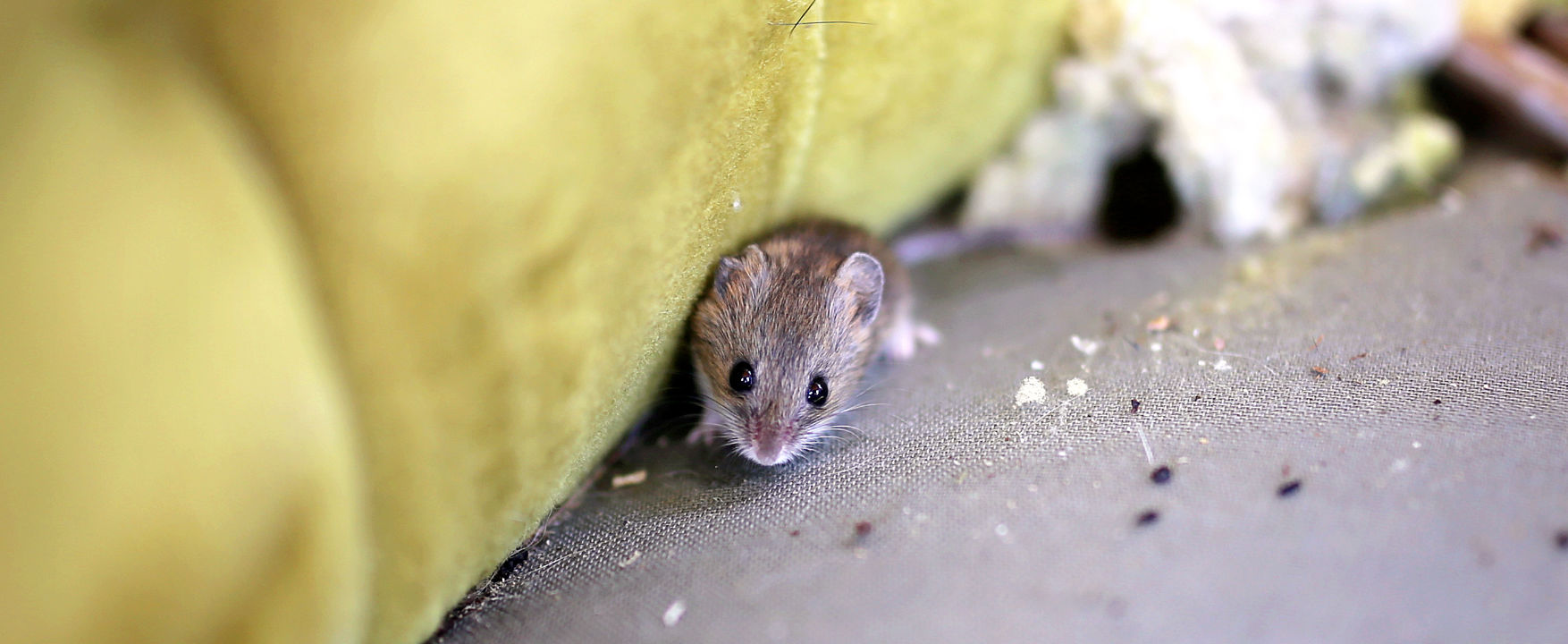
Rodents are a year-round concern in Adelaide, especially in residential areas where food, warmth, and shelter are readily available. While many homeowners only notice the problem when scratching sounds begin in the walls or droppings appear near food storage areas, rodents often enter long before any signs become visible. Understanding how these pests access homes is the first step toward preventing an infestation, and adopting Safe and reliable rodent control solutions across Adelaide is essential for long-term protection. This article explores the common entry points rodents use, the reasons Adelaide homes are particularly vulnerable, and the most effective prevention measures.
Why Rodents Are a Frequent Problem in Adelaide
Rodents thrive in environments where they can easily access food and shelter. Adelaide’s climate contributes to this. With warm summers, cool winters, and occasional wet periods, rodents seek homes as safe havens, especially during temperature extremes. Urban expansion also creates ideal conditions because construction disrupts natural habitats, forcing pests to seek refuge indoors.
Additionally, Adelaide has many older homes with gaps, cracks, and structural weaknesses that allow rodents to squeeze inside. Since a mouse can fit through a gap as small as 6 mm, even tiny openings can become entry points. This makes regular inspections and Safe and reliable rodent control solutions across Adelaide vital for maintaining a secure home environment.
Common Entry Points Rodents Use to Access Homes
Rodents are extremely resourceful and will exploit any weakness in a property’s structure. Below are the most common access points observed in Adelaide homes.
1. Gaps Around Doors and Windows
If doors do not close tightly or if window frames have small cracks, rodents can easily slip inside. Weather stripping that has deteriorated also creates space for entry. This is one of the simplest access points for rats and mice.
2. Roof Voids and Broken Tiles
Rodents are excellent climbers. They often access roofs using nearby trees, utility lines, or even the walls themselves. Any broken or missing roof tiles allow them to enter roof voids, which are warm, dark, and ideal for nesting.
3. Wall Vents and Air Bricks
Most Adelaide homes have air vents installed for airflow. While essential, these vents can act as open doors for rodents unless protected with mesh screens.
4. Plumbing and Drainage Gaps
Rodents often travel through sewer lines and can enter homes through gaps around pipes. Damaged drain covers, loose plumbing seals, and unsealed entry points behind sinks or dishwashers can become direct pathways inside.
5. Garage and Shed Entry Points
Garages are often overlooked, yet they provide easy shelter and access into the main home. Gaps between garage doors and floors are common entry points, especially because garages usually store food sources like pet food, seeds, or rubbish bins.
6. Foundation Cracks and Structural Gaps
Even small cracks in foundations give rodents enough space to squeeze through. Older Adelaide homes, in particular, may develop structural wear that creates perfect hiding and nesting areas.
7. Openings Around Utility Lines
Cables for electricity, gas, and internet often enter the home through drilled holes. If these holes are unsealed, they offer a straight route indoors.
Recognizing these entry points allows homeowners to take action early and strengthens the effectiveness of Safe and reliable rodent control solutions across Adelaide.
Why Rodents Enter Homes: Key Attractants
Understanding what draws rodents inside helps prevent infestations. Several common attractants include:
Food Sources
Unsealed food, crumbs, pet food, bird feed, and kitchen waste attract rodents. They have strong senses and can locate food from considerable distances.
Shelter and Warmth
Rodents seek warm, insulated spaces for nesting, particularly during colder months. Roof cavities, wall voids, and garages are ideal.
Water Availability
Leaks under sinks, dripping pipes, and pet water bowls provide the water sources rodents need to survive.
Clutter and Storage Areas
Boxes, paper, and unused items create perfect nesting materials, especially in storage rooms, sheds, and garages.
The Risks of Ignoring Rodent Problems
Rodents are not only a nuisance; they pose several serious risks.
- Health Risks
Rodents can spread harmful bacteria and diseases through their droppings, urine, and nesting materials. Contaminated food surfaces increase the risk of illness. - Property Damage
Rodents gnaw on electrical wiring, timber, plastic, and insulation. Chewed wires increase the risk of electrical fires. - Food Contamination
Any food left in accessible areas can quickly become contaminated, leading to waste and potential health hazards. - Rapid Reproduction
A single pair of mice can produce dozens of offspring within months. Without quick action, a minor issue can become a severe infestation.
For these reasons, timely action using Rodent Control Adelaide services is critical for protecting both health and property.
Best Prevention Practices to Keep Rodents Out
Effective rodent prevention requires a combination of sealing entry points, reducing attractants, and adopting safe and reliable rodent control solutions across Adelaide. Below are proven strategies.
1. Seal All Entry Points
Use steel wool, caulk, or wire mesh to block gaps and cracks around the home. Pay attention to windows, doors, vents, foundations, and utility line openings.
2. Install Vent and Drain Covers
Mesh screens prevent rodents from entering through air vents while still allowing airflow. Secure drain covers help reduce the likelihood of rodents emerging from plumbing systems.
3. Maintain a Clean Home
Store food in airtight containers, clean up crumbs, and dispose of rubbish regularly. Avoid leaving pet food out overnight.
4. Fix Leaks and Remove Water Sources
Repair dripping taps, leaking pipes, and other water sources. Keep outdoor areas clear of standing water.
5. Trim Vegetation and Remove Exterior Clutter
Overgrown trees can create bridges to roofs. Keep branches trimmed and remove outdoor clutter where rodents may hide.
6. Store Firewood Properly
Firewood should be stacked away from the home and off the ground. Rodents often nest in wood piles when left near walls.
7. Use Professional Rodent Control Services
While DIY methods can help temporarily, long-term protection is best achieved through professional Rodent Control Adelaide services. Experts can identify hidden entry points, apply targeted treatments, and provide ongoing prevention strategies tailored to the property.
Why Professional Rodent Control is More Effective
- Accurate Identification
Experts identify whether you are dealing with mice, rats, or multiple pests and tailor treatments accordingly. - Safe Treatments
Professionals use methods that are effective yet safe for families, pets, and the environment. - Long-Term Prevention
They eliminate the current problem and advise on future prevention strategies. - Access to Advanced Equipment
Specialized traps, baits, and detection tools offer better results than store-bought options.
Choosing a professional service ensures full protection and supports a healthier home environment.
Conclusion
Rodents are a common issue in Adelaide due to climate conditions, urban expansion, and structural weaknesses found in many residential properties. Understanding how rodents enter homes and what attracts them makes prevention more manageable. With a combination of sealing entry points, maintaining cleanliness, reducing attractants, and relying on Safe and reliable rodent control solutions across Adelaide, homeowners can effectively protect their properties.
For long-term prevention and complete peace of mind, professional Rodent Control Adelaide services provide the expertise needed to identify, eliminate, and prevent infestations.