
Home Improvement
Effective Strategies to Enhance Electrical Safety in Your Home

Key Takeaways
- Perform regular electrical maintenance and proactively address visible issues to avoid larger hazards.
- Install Ground Fault Circuit Interrupters (GFCIs) in areas prone to moisture to minimize the risk of shock.
- Prevent overload by distributing devices and using surge protectors.
- Unplug unused appliances to minimize unnecessary energy use and reduce overheating risks.
- Only hire licensed electricians for extensive rewiring or panel upgrades.
Electrical safety is crucial for maintaining a secure and comfortable living environment. Homeowners often overlook electrical maintenance, yet the risks of electrical fires, shocks, and damage to appliances make proactive safety measures critical. Whether you’re taking small steps or planning upgrades, considering the right strategies not only ensures safety but also saves money in the long run. For residents seeking an experienced electrician in Cambridge, professional assistance can greatly enhance home safety through expert assessment and repairs.
Accidents caused by unsafe electrical systems can happen suddenly, and their consequences are often severe. Something as simple as ignoring the overheating of an outlet or overloading a power strip can spark house fires or cause injury. Fortunately, with the right precautions and understanding of your electrical system, you can prevent most electrical hazards before they become emergencies. Regular inspections, timely repairs, and safer habits are all cornerstones of a safe home environment.
Each strategy below addresses a specific risk or common mistake found in many households. By integrating these habits and solutions, you’ll protect both your property and the people living in it. Statistically, extension cord-related damage and improper outlet use are leading causes of electrical fires at home, underscoring the importance of knowledgeable, preventive measures. Ensuring your home’s electrical system is in top condition is part of responsible homeownership.
Regular Inspection and Maintenance
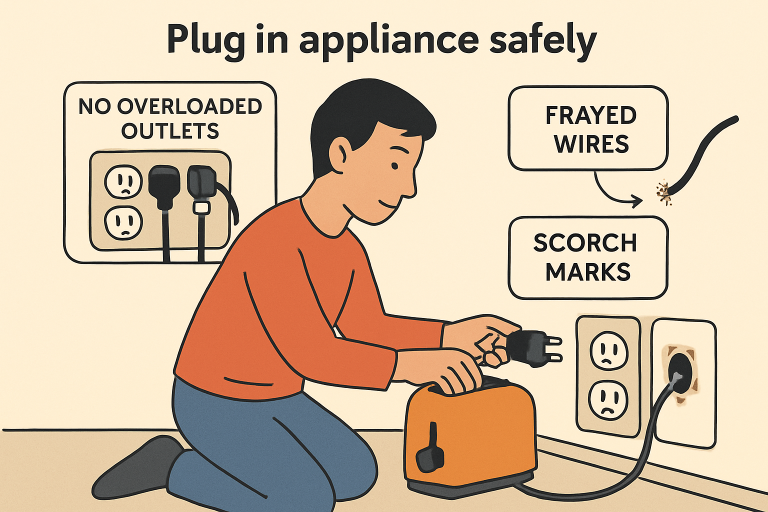
Conducting routine electrical inspections is crucial for detecting problems early. Keep an eye out for visible warning signs, such as frayed wires, scorched outlets, flickering lights, or circuit breakers that frequently trip. Outlet and switch upgrades are crucial components of maintaining a safe and efficient electrical system. According to the National Fire Protection Association, electrical failures or malfunctions were the second leading cause of U.S. home fires from 2015 to 2019, highlighting the need for vigilance and regular maintenance.
If you encounter any signs of trouble, address them promptly; delays can allow small issues to escalate into larger problems. For peace of mind, have an electrician conduct a comprehensive inspection every few years, especially in older homes or after major renovations.
Install Ground Fault Circuit Interrupters (GFCIs)
GFCIs are crucial devices designed to shut off power the instant they detect an electrical imbalance, thereby reducing the risk of shock in high-moisture locations such as kitchens, bathrooms, laundry rooms, and outdoor outlets. Testing your GFCIs monthly is important to ensure they’re functioning properly, as even a small malfunction can compromise your home’s protection. GFCIs are now required by code in new homes and renovations, but older houses often lack them and are at greater risk for accidents.
Avoid Overloading Circuits
Plugging too many appliances or electronics into the same outlet or circuit breaker can risk overheating, fires, and tripped circuits. Distribute power usage among several outlets and circuits, and use approved surge protectors to shield sensitive electronics from sudden power surges, especially during storms or grid fluctuations. Avoid the temptation to use multi-outlet adaptors for permanent connections; they should only be used temporarily.
Unplug Appliances When Not in Use
Leaving appliances plugged in, even when off, can lead to ‘phantom’ energy drain and increase the risk of overheating. By unplugging small kitchen devices, chargers, or entertainment equipment when not in use, you not only reduce your electricity bill but also create an extra layer of fire prevention. This simple habit is an effective way to conserve energy and prolong the lifespan of appliance cords and outlets.
Use Extension Cords Sparingly
Extension cords are for temporary power solutions. Using them long-term or chaining them together can expose wiring to damage, overheat circuits, and violate safety codes. If your space relies heavily on extension cords, it’s time to have more permanent outlets installed by a licensed electrician. This approach helps avoid shorts and improves both safety and convenience.
Choose the Correct Light Bulbs
Using light bulbs with a wattage that exceeds a fixture’s recommendation can cause potentially dangerous overheating. Always check the wattage rating on lighting fixtures and install bulbs within or below the specified range. If possible, switch to LED bulbs—they produce less heat, last longer, and are less likely to cause accidental burns or fire hazards.
Keep Flammable Materials Away from Electrical Devices
Paper, cloth, curtains, and plastics should never be stored around space heaters, kitchen appliances, or any device that gets warm during use. Blocked vents, covered outlets, and cluttered cords are frequent accidental ignition points. Declutter the areas around your outlets and large appliances to reduce risk and maintain good airflow around these energy sources.
Hire Licensed Electricians for Major Work
Upgrading your electrical panel, rewiring home circuits, or installing new outlets should be handled exclusively by licensed professionals. They ensure your home’s wiring is compliant with local safety codes and regulations. This not only keeps your property insurable but also guarantees a higher level of safety. An improperly-completed installation can lead to severe risks down the road, including fire, shock, and system failure.
Final Thoughts
Implementing these best practices is the most effective way to secure your home and prevent avoidable electrical mishaps. Periodic upgrades and careful attention to warning signs will provide long-term peace of mind and create a safer environment for your household.